
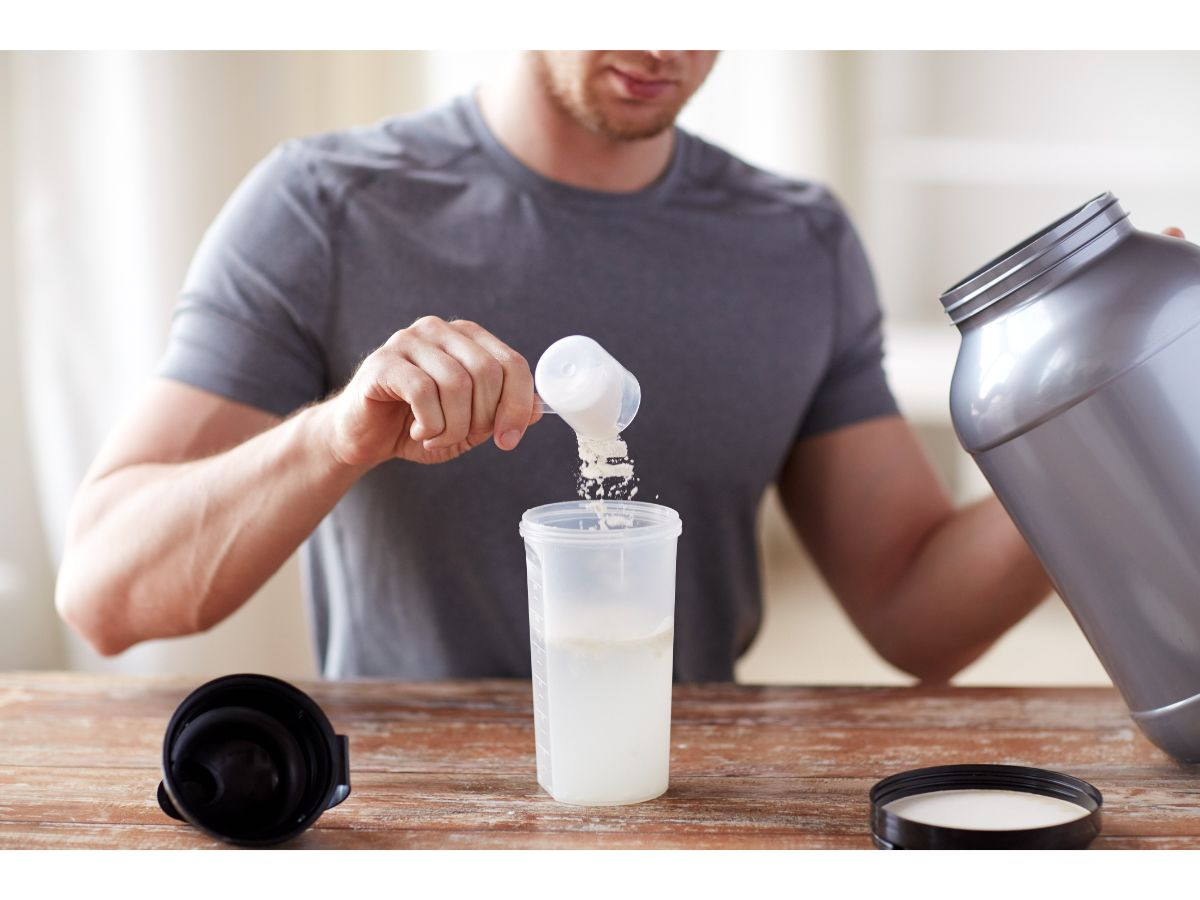
A diet rich in protein can offer many benefits for your body, such as helping your muscles grow and recover faster and keeping you generally healthy and full of energy. But for many individuals, getting enough protein through food alone is just not that easy. That’s where whey protein comes in.
Convenient, easy to use and super versatile, whey protein powder has become the go-to supplement for athletes, fitness enthusiasts, and anyone looking to give their protein intake a boost. It’s a complete protein, meaning it contains all the essential amino acids your body needs to perform at its best.
But with so many options available, how do you choose what’s right for you? Terms like isolate, concentrate, hydrolysate and different blends can make it overwhelming, especially when the labels aren’t very clear.
Let’s break down the steps to choosing a good-quality whey protein online and highlight some of the common mistakes to watch out for.
How to Choose a Good Quality Whey Powder
Understand the Different Types
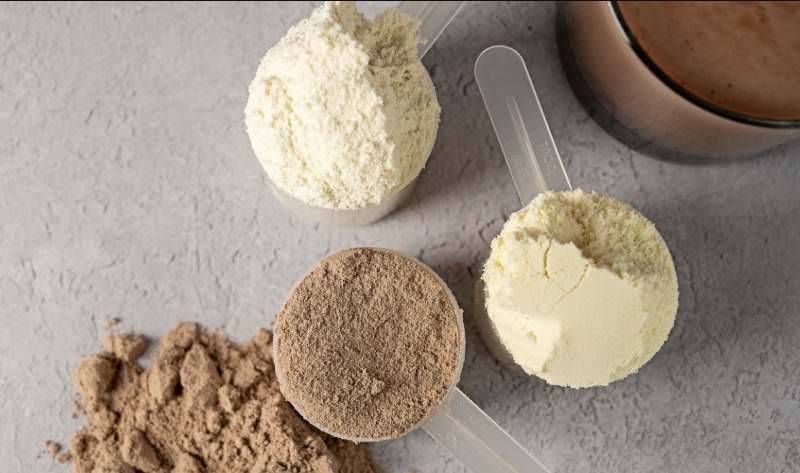
One of the first and most important steps when choosing whey protein online is to understand the different types available. What you choose can make a big difference to the quality of the product and overall value for money.
Whey Protein Concentrate
This is the most common and usually the cheapest type. It’s got about 70 to 80% protein in it, with the rest being made up of sugars and fats. This makes it a good all-rounder that suits most people, and it also tastes pretty good.
Whey Protein Isolate
This type has been processed to take out most of the fat and sugars, so you get a higher protein content – sometimes as much as 90%. This makes it a good choice for anyone who is lactose intolerant or is following a low-carb diet.
Whey Protein Hydrolysed
This type has already been broken down, so it’s easier for your body to absorb. It’s a good choice if you’re a serious athlete who needs to recover quickly, but it’s usually more expensive than the other two types.
Analyse the Ingredient List
All the bold claims and flashy packaging can be a real turn-off, but one of the simplest ways to get a good idea of a product’s quality is to take a look at the ingredient list. Generally, the shorter and more straightforward it is, the better.
A high-quality whey protein powder should be all about the protein, ideally whey protein concentrate or isolate, with as few additions as possible to make it taste nice and mix well. The more other stuff listed – artificial sweeteners, fillers, thickeners – the further you are probably getting from a clean, effective product.
Now, not all added ingredients are bad news. Natural flavours, a small amount of sweetener, or ingredients like lecithin to help with mixing are all pretty standard and okay in moderation. The thing to watch out for is a long, complicated list of stuff you don’t recognise or don’t need.
Pay Attention to Protein Content
At first glance, a lot of products look pretty similar, but the amount of protein you get in each scoop can vary.
Some powders come with added carbs, fats, flavouring, or fillers, which can reduce the overall protein percentage. This means you might be getting less protein than you think, even if the packaging says otherwise.
As a rough guide, whey protein concentrate should be around 60% to 80% protein. So if you’ve got a 40g scoop that provides 25g of protein, that’s about 62.5% protein. Whey protein isolate and hydrolysed whey should be 80% or higher, because they’re subject to more processing to get rid of even more fat and carbs.
If a product falls below those levels, you might be paying more for extra ingredients than you are for high-quality protein.
Look at Reviews
When you’re shopping online, reviews can be super helpful – as long as you know what to look for. Rather than focusing on a few good or bad comments, look at what comes up frequently in reviews.
Are people constantly saying how good it tastes, how easy it is to mix and how it doesn’t give them any stomach issues? Or are there common complaints about clumping or that it’s too sweet? Patterns like that can give you a clearer idea of what to expect from a product.
Consider the Brand
It’s not just about individual product reviews. The longer a brand has been around and the more presence it has in the fitness industry, the more likely they are to prioritise quality, be transparent and be consistent in what they make.
Look for brands that list their ingredients clearly, provide detailed nutrition info and are open about where and how their products are made.
Common Mistakes to Avoid
Only Looking at the Price Tag
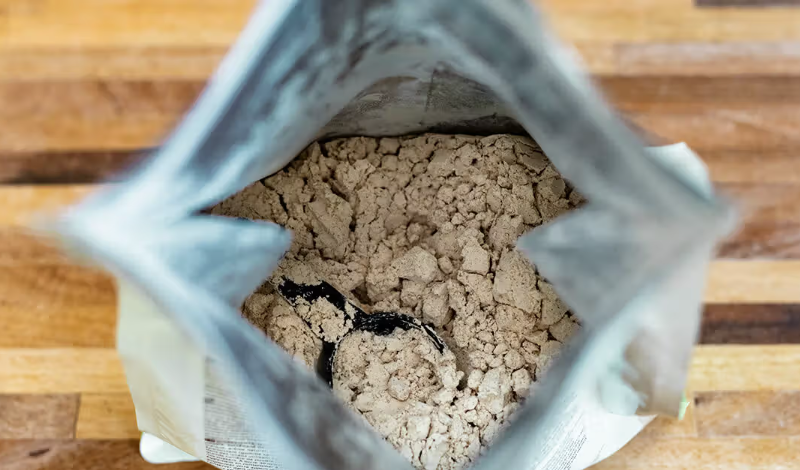
It’s easy to be tempted by the cheapest option, but be warned: low price often means low quality. Those budget products are often packed with lower protein percentages, added fillers or ingredients you don’t need. So rather than just comparing price per tub and heading for the checkout, take a closer look at the price per serving and the actual protein you’re getting for your money.
Falling for Marketing Hype
You’d think that “ultra-clean, “premium” or “advanced formula” would mean something special, but more often than not, it’s just empty marketing speak. Some manufacturers also resort to dirty tricks like amino spiking (throwing in cheaper amino acids to inflate the protein numbers).
Don’t be fooled by the pretty packaging or the bold claims – check the actual nutrition panel and ingredient list instead.
Not Thinking About How Your Body Reacts
You might already know that some people get bloated or feel uncomfortable after downing a serving of whey protein – especially those who are sensitive to lactose. If you’re one of them, then choosing an isolate or a cleaner formula can be a game-changer.