
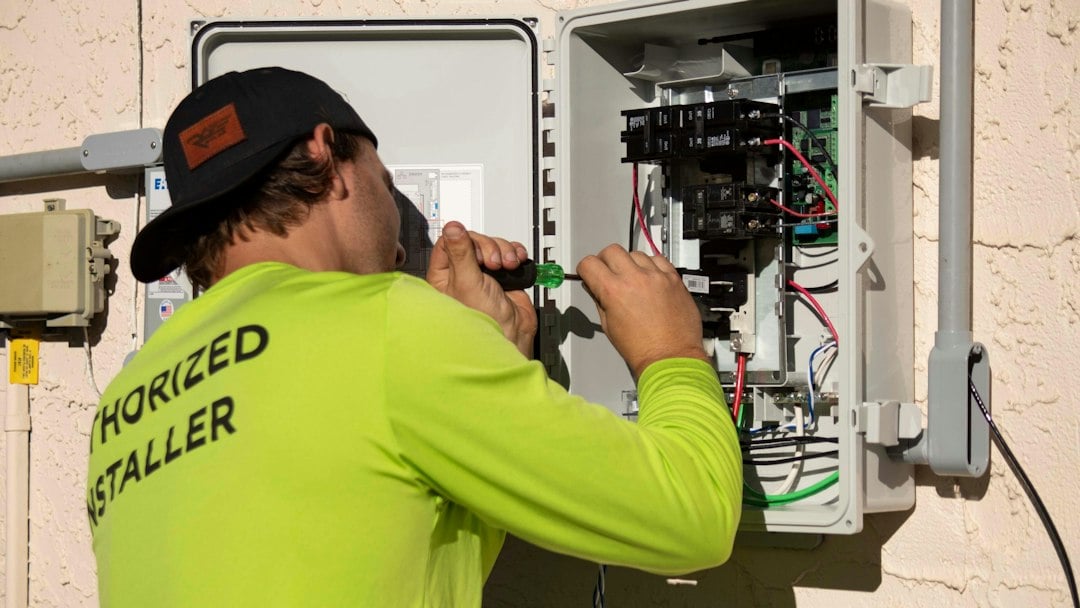
YouTube makes everything look doable. Swap a light fitting in ten minutes. Wire a new power point over lunch. Install a ceiling fan before dinner. The videos are clean, the hosts are confident, and the comments are full of people saying they did it themselves with no issues. What those videos don’t show is the house fire that starts inside a wall cavity six months later because a connection wasn’t made properly. Or the shock that knocks someone off a ladder because they didn’t isolate the circuit correctly. Electrical work isn’t carpentry. A bad shelf looks crooked. Bad wiring kills people.
That’s not dramatic language. Electrical faults cause roughly 40% of house fires in Australia, according to Fire and Rescue NSW data. The margin for error is zero, and the consequences don’t announce themselves until something fails under load, overheats behind plaster, or sends current through a body that wasn’t supposed to be in the path. Getting professional help with electrical needs isn’t overcautious. It’s the baseline for anything beyond changing a light globe. Here are 8 problems that should never be a weekend project.
1. Flickering Lights Across Multiple Rooms
One bulb flickering is usually just the bulb. Multiple lights flickering across different rooms points to something deeper. Loose connections at the switchboard, a failing neutral, or an overloaded circuit. Diagnosing the source requires testing at the distribution board, which means working inside the panel. That’s licensed electrician territory. Always.
2. A Circuit Breaker That Keeps Tripping
The breaker exists to prevent overload and fire. When it trips repeatedly, something on that circuit is drawing more current than the wiring can handle, or there’s a fault somewhere in the line. Resetting it and hoping for the best doesn’t fix the cause. It just gives the fault another chance to generate heat where nobody can see it.
3. Burning Smell With No Visible Source
If something smells like melting plastic or hot metal and there’s no obvious cause, the problem is likely inside a wall, behind a power point, or at a junction box. Wiring insulation breaks down under sustained heat from loose connections or overloaded circuits. By the time you smell it, the fault has been generating heat for a while. Turn the power off and call someone qualified.
4. Power Points That Feel Warm To The Touch
A power point should never feel warm when nothing is plugged into it. Even with a device connected, noticeable heat at the outlet face signals a loose connection, damaged wiring, or an overloaded circuit behind the plate. Warm outlets are a fire risk that won’t wait to escalate.
5. Switchboard Upgrades Or Replacements
Old ceramic fuse boards don’t provide the protection that modern safety switches and circuit breakers deliver. Upgrading a switchboard involves working with incoming mains supply, which carries enough current to be fatal on contact. This is one of the most dangerous electrical jobs in a residential setting. There’s no safe DIY version of it.
6. Installing Or Relocating Power Points
It looks simple from the outside. Drill a hole, run a cable, and connect three wires. But the cable route matters. The circuit load matters. The wall material matters. Whether there’s insulation, plumbing, or structural framing behind the plaster matters. A power point installed without proper cable protection or connected to an already maxed circuit creates a concealed hazard that inspection won’t catch until something goes wrong.
7. Any Work Involving The Metre Box
The metre box is the boundary between the electrical network and the property. Work inside or around it involves supply-side wiring that’s live at all times regardless of whether the main switch is off. Only licensed electricians with appropriate network authorisation should touch anything in this area.
8. Ceiling Fan Installation
Heavier than a light fitting. Vibrates during operation. Requires a mounting bracket rated for the weight and movement. If the bracket fails or the wiring connection loosens from vibration over time, the fan comes down. A ceiling fan falling from a 2.7-metre ceiling onto a bed or a dining table isn’t hypothetical. It happens when the installation wasn’t done to the standard the fixture demands.
The Risk Isn’t The Job. It’s What You Can’t See.
Electrical faults hide. Behind walls, inside junction boxes, under insulation, at connection points buried in plaster. The danger with DIY electrical work isn’t that every attempt ends badly. It’s that the ones that do end badly can cause fire, injury, or death, and the warning signs often stay invisible until failure happens. Every problem on this list shares the same fix: someone licensed, insured, and trained to work safely on systems that don’t tolerate guesswork.