
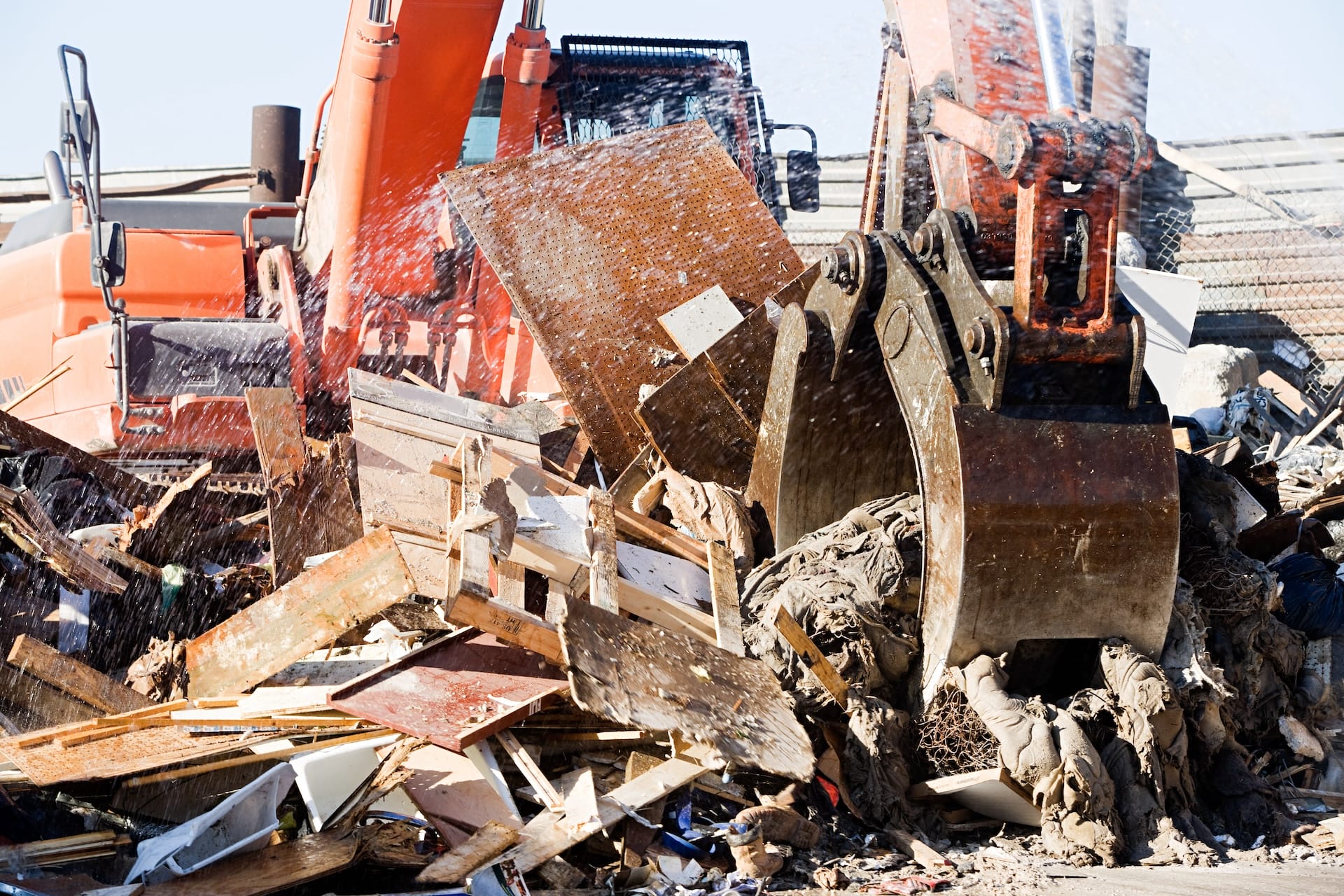
When hiring a skip bin, most people focus on choosing the right size. But size isn’t the only limit that matters. Skip bins also have weight limits, and exceeding them can lead to extra charges, delays and safety risks.
Here’s what you need to know about skip bin weight limits and how to avoid overloading.
Why skip bins have weight limits
Skip bins are transported by trucks with specific load capacities. Even if a bin looks like it has room for more rubbish, the truck may not be able to safely lift or carry it if it’s too heavy.
Road regulations also limit how much weight trucks can carry. Overloaded bins can exceed these limits, putting drivers at risk of fines and compromising road safety.
Heavy materials fill weight limits quickly
Some materials are much heavier than they look. Soil, sand, concrete, bricks, tiles and rubble can weigh a great deal even in small volumes. A bin filled with soil may reach its weight limit long before it’s full.
Garden waste, household rubbish and light renovation materials are generally lighter, allowing you to use more of the bin’s volume.
Understanding volume versus weight
Skip bins are usually sized by volume, measured in cubic metres. A larger bin holds more material, but it doesn’t necessarily mean you can fill it with heavy materials.
Many skip bin providers set different weight allowances for different types of waste. Ask your provider about weight limits when booking, especially if you’re disposing of heavy materials.
Extra charges for overloading
If your bin exceeds its weight limit, you may be charged extra fees. Some providers charge based on the weight over the limit, while others may require you to remove excess material before the bin can be collected.
These costs can add up quickly, making it more expensive than hiring the correct bin in the first place.
Don’t overfill above the top
Overfilling a skip bin above its rim is another common problem. Material stacked above the sides can fall off during transport, creating hazards for other road users. Many providers won’t collect overfilled bins until the excess is removed.
Keep waste level with or below the top edge of the bin to ensure safe transport.
Choose the right bin for heavy waste
If you’re disposing of soil, concrete, bricks or rubble, ask about bins designed specifically for heavy materials. These may be smaller in size but rated for heavier loads.
Telling your provider what you’re disposing of helps them recommend the right bin and avoid surprises.
Load the bin evenly
How you load a skip bin also matters. Spread weight evenly across the bin rather than concentrating heavy items in one area. This helps the truck lift the bin safely and reduces the risk of tipping.
Place heavier items at the bottom and lighter materials on top. Breaking down bulky items also helps use space efficiently.
Separate heavy and light waste
For larger projects, it may be more cost effective to separate heavy and light waste into different bins. For example, one bin for soil and rubble and another for general waste can make better use of weight and volume allowances.
This can also help with recycling, since some materials can be processed separately.
Ask questions before booking
When booking a skip bin, explain the type and amount of waste you expect to dispose of. Ask about weight limits, prohibited items and any additional charges. A good provider will help you choose the right bin for your project.
Estimating the weight of your waste
It can be hard to judge how much your waste weighs, but a few rough guides help. A cubic metre of soil or sand can weigh well over a tonne, and concrete and bricks are similarly heavy. By contrast, a cubic metre of green waste or general household rubbish weighs far less.
If you’re unsure, describe your project to your skip bin provider. Telling them you’re removing an old patio, digging out garden beds or clearing a garage helps them estimate weight and recommend a suitable bin. It’s much easier to get this right upfront than to deal with overweight fees later.
Taking a few photos of the waste before booking can also help your provider give accurate advice.
When you arrange skip bin hire, describe your waste clearly so you get a bin with the right size and weight allowance.
Avoid unexpected costs
Skip bin weight limits are there to keep everyone safe and ensure bins can be transported legally. Understanding these limits, choosing the right bin and loading it carefully helps you avoid extra charges and delays.
With a little planning, your skip bin hire will run smoothly from delivery to collection.