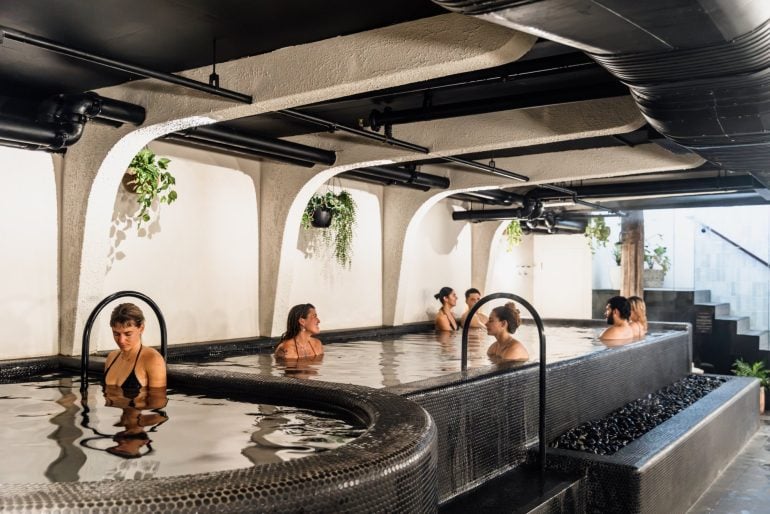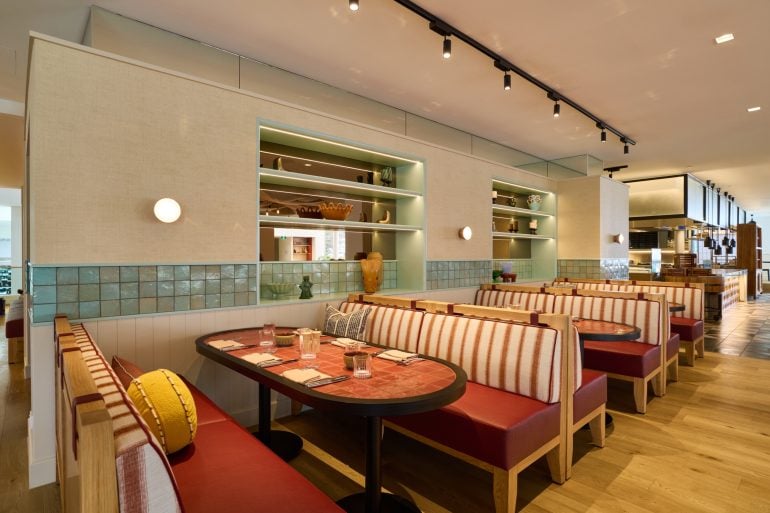
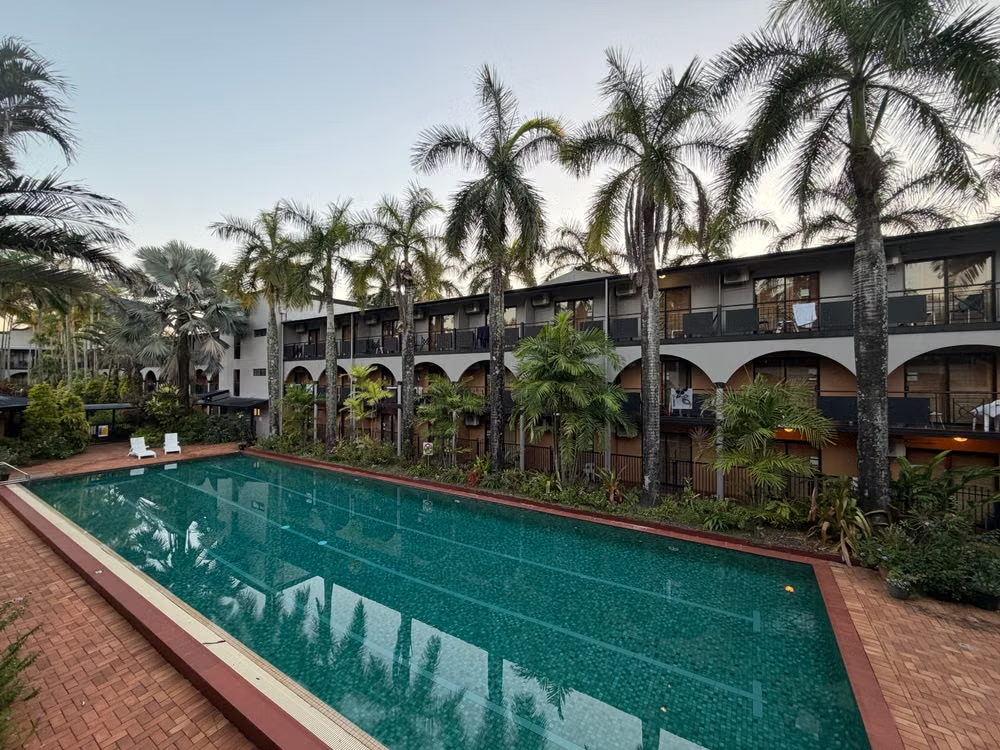
Ever wanted to hit an Australian resort? You’re not alone! An Australian resort holiday offers a chance to explore the country’s varied landscapes while enjoying a more relaxed style of travel. From coastal properties overlooking the ocean to retreats surrounded by tropical greenery, resorts cater to different interests and travel preferences.
For first-time visitors, choosing where to stay involves considering the location, available facilities, nearby attractions, and the kind of experience they want from the trip. A little planning can make it easier to find a resort that suits both the itinerary and the pace of the holiday.
Choosing a Base That Matches the Trip
Resort areas differ in character. Some strips are lined with high-rise apartments that open straight onto the sand, while others centre on quieter villages with a handful of cafes and a short beach path. A group of friends usually wants walkable dining and a few minutes to the water, and a couple after a slower pace often prefers a smaller stretch of coast.
Reading a map to check out the distance to the beach, the nearest shops, and the closest public transport stop tells a visitor a lot more than a page of reviews. A room with a balcony adds outdoor opportunities, and a unit with a small kitchen takes care of breakfast so that restaurant meals can be saved for the evenings.
Planning the Evenings
Days at a resort tend to take care of themselves, and evenings are where visitors run short of ideas. Dinner is the obvious anchor, followed by a walk along the promenade, a night market, or live music at a local venue.
Many holidaymakers also leave an hour or two free for the room, where a screen fills the gap between a long beach day and a late table: a film, a video call home, or an online game – something that’s easy to start and doesn’t require a lot of time commitment.
For example, the Joe Fortune casino in Australia is aimed at Australian players with sections for pokies, blackjack, roulette, baccarat, live dealer tables, and a set of specialty games. It runs on a phone or a laptop, so the devices already in the suitcase are enough. Like a film or an e-book, it suits a short stretch while the group gets ready for dinner, and nothing about it needs booking ahead. Pokies and card tables share that quality with most screen entertainment, since a session can begin and end whenever the schedule allows.
Evening plans work best when one fixed booking, such as a dinner reservation, anchors the night and everything else stays flexible around it. Resort streets often quiet down after the late seatings finish, so it helps to figure out the ride back to the hotel before the meal starts. A visitor who has already decided between a walk, the tram, or a rideshare avoids standing on a dark corner with a dying phone.
Getting From the Airport to the Beach
Visitors flying into the Gold Coast can skip the rental car for a first trip if the hotel sits near the coast. An airport bus links the terminal with a light rail station, and the tram carries on from there to Surfers Paradise, Southport, and the other main resort areas.
And for a traveller staying outside the tram corridor? Buses and rideshare. Checking the route on a map before leaving the terminal saves a few minutes of confusion with luggage in hand, and a bag that rolls easily over uneven paths is always a smart pick.
Sun and Surf Rules for Visitors
The sun is the first thing a newcomer underestimates. UV radiation can be high even on cool and overcast days, and it’s wise to protect the skin whenever the UV Index reaches 3 or above. Check of the index each morning before you head from the room and approach the day accordingly. A hat and shirt in the beach bag are way easier than reapplying sunscreen every hour.
There are five forms of sun protection: slip, slop, slap, seek, and slide, which in plain terms means covering clothing, high-protection sunscreen, a hat, shade, and sunglasses. Midday shade under a beach umbrella or a cafe awning counts toward that list as well.
When it comes to a swim (after all, isn’t that what most of us head to Aussie for?), you also need to think about safety. Health authorities advise visitors swim between the red and yellow flags on patrolled beaches, because the flags mark the area lifesavers are watching. A beach with no flags has no supervision, and the usual rule is no flags, no swim. Visitors who arrive after patrol hours are better off enjoying the sand and saving the swim for the next morning.
Small Details That Catch Visitors Out
Power sockets can be a tad tricky to handle. Australia uses the Type I plug at 230 volts, and an adapter changes only the plug shape – it’s a converter you have to turn to to alter the voltage. Checking the label on each charger tells a traveller which of the two is needed, and a single multi-port charger with the right adapter keeps a hotel room tidy.
Tipping is the other surprise for visitors from countries where it is built into the bill. Tipping in cafes and bars is not the norm, and hotel staff do not expect it. Some servers even decline a tip when one is offered. A clear thank-you and a friendly word at the counter are usually all that is called for, and they leave visitors with one less thing to calculate at the end of a meal. The money saved on tips? Put it in the budget for another round of dinners out!