
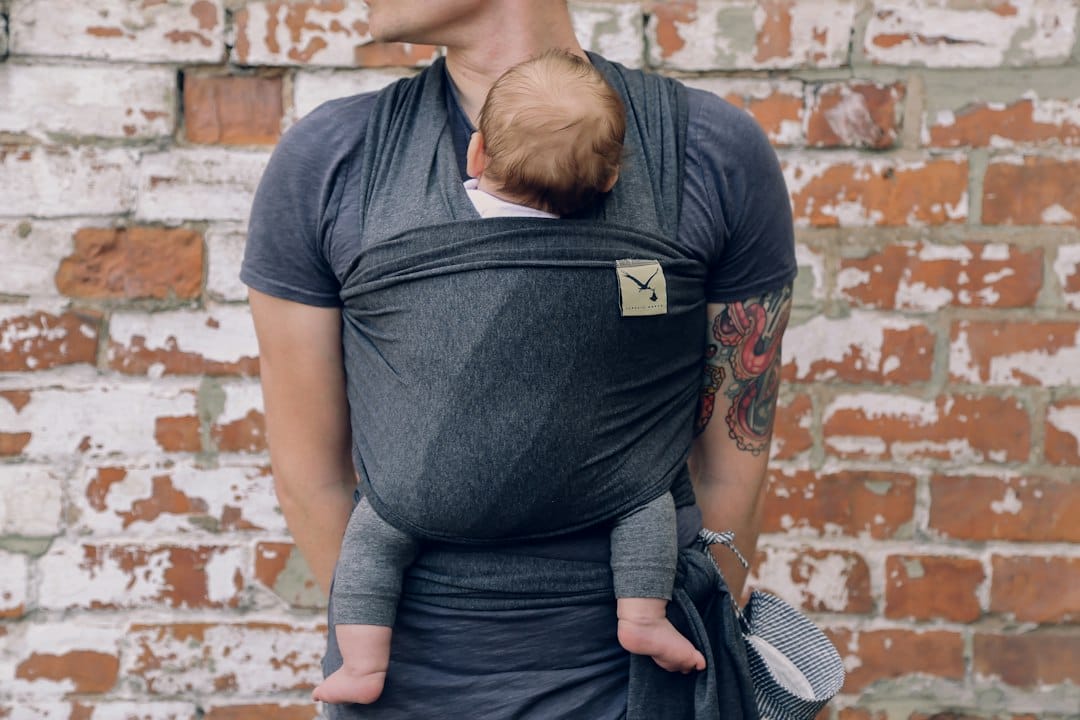
Before the first pram or capsule is even unboxed, most expecting parents hit the same question: does a premium carrier earn its price tag, or does a budget version do the same job? The short answer is that the price difference sits almost entirely in fabric and construction, and the value difference shows up in how often the carrier actually gets worn. A carrier that lives in the cupboard is expensive at any price.
Fabric is where the price gap begins
The single biggest cost driver in a baby carrier is the textile. Woven fabrics made from natural fibres such as organic cotton or linen cost more to produce than standard synthetics, and that difference flows straight into the retail price. It also flows into daily use. Natural fibres breathe, which matters when you carry a warm body against your own through a Queensland summer. A carrier that feels clammy after twenty minutes tends to come off, and a carrier that stays off stops delivering value.
Brands like Artipoppe build their pricing around exactly this idea. The fabric is the product, not an afterthought. That is a legitimate reason for a higher price, and it is also the first thing to check when two carriers look similar but cost nothing alike.
Construction decides how long the price gets spread out
A carrier is a load-bearing garment. Stitching and buckles take constant strain, and this is where cheaper production cuts corners that you cannot see in a product photo. The consequence is practical. A carrier that sags or frays after one child has to be replaced, while a well-made one can serve a second child or be resold. Premium carriers from established makers hold noticeable second-hand value, which quietly lowers what the carrier really cost you.
The newborn months raise the bar further. A small baby needs a carrier that genuinely fits a small body, and this is where construction quality is hardest to fake. If you expect to carry from the early weeks, a purpose-designed newborn baby carrier is worth weighing against a one-size compromise, because the first months are typically the most intensive carrying period you will have.
Where saving makes sense, and where it backfires
Saving is sensible on anything that does not touch comfort or durability. Limited-edition prints and seasonal colourways carry a premium for scarcity, not performance; a classic colour in the same fabric does the identical job. Buying a well-made carrier second-hand is another sound route, precisely because quality carriers are built to outlast one child.
Saving backfires on the two things that decide whether the carrier gets used: fabric and fit. A carrier that pinches your shoulders or overheats your baby can become a drawer item within weeks. In that case you often end up buying a second carrier anyway, and the “cheap” option turns out to be the most expensive one in the house.
Reading a carrier like a cost-per-wear purchase
The honest maths on a carrier is cost per wear, the same way you would judge a good pair of boots. A carrier worn daily for a year, then passed to a sibling or resold, can work out cheaper per use than a bargain version worn ten times.
So before you pay, compare on four points:
• Fibre content: named natural fibres over vague fabric descriptions
• Construction detail: reinforced stitching and hardware the maker is willing to specify
• Fit range: does it genuinely suit your body and your baby’s current stage
• Resale reality: check what the model fetches second-hand, because that is the market’s verdict on durability
A carrier that scores well on all four is rarely the cheapest on the shelf. It is usually the cheapest one to own.