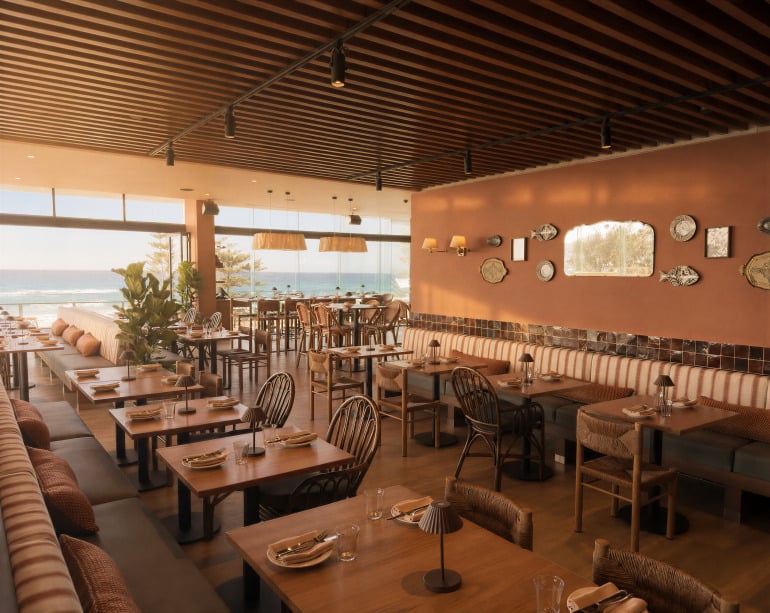
The Gold Coast has a way of making indoor and outdoor living feel naturally connected.
Bright mornings, warm weather, open-plan homes and easy access to beaches and green spaces all influence the way local interiors are styled. Many homes are designed to feel relaxed rather than formal, with natural textures, light-filled rooms and a strong connection to the outdoors.
Indoor plants fit perfectly into that lifestyle.
They soften interiors, add movement and bring a sense of freshness into spaces that might otherwise feel too polished or flat. But as more greenery enters the home, another design challenge appears: where should all those plants go?
Placing pots directly on the floor can quickly make a room feel crowded, especially in apartments, townhouses or family homes where space is already working hard. Elevating plants is one of the simplest ways to solve that problem.
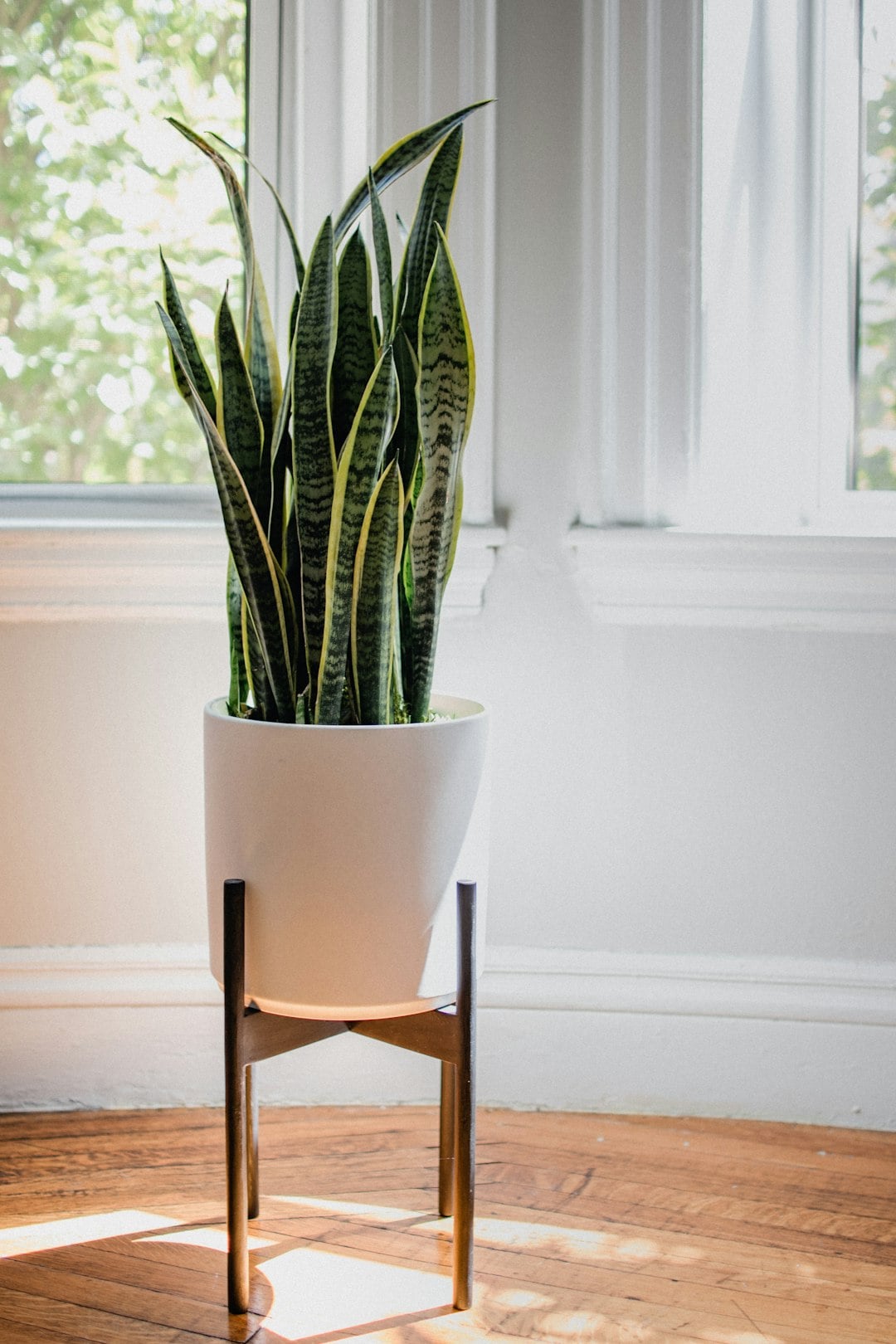
Choosing a plant stand for styling indoor greenery can help create height, improve visual balance and bring plants into the room without making the space feel cluttered.
On the Gold Coast, where homes often aim for a breezy indoor-outdoor feel, plant stands can be an easy way to make that connection feel more intentional.
Why Greenery Works So Well in Coastal Interiors
Coastal interiors are often built around softness.
Timber, linen, rattan, stone, neutral colours and natural light all help create a relaxed atmosphere. Indoor plants add another layer to that look without making it feel overly styled.
Greenery introduces colour, but in a way that still feels calm.
A large leafy plant can break up a pale wall. A trailing plant can soften a hard-edged cabinet. A small collection of pots can add life to a quiet corner.
The result is often a home that feels fresher and more lived in.
This works especially well on the Gold Coast because the indoor-outdoor connection is already part of the local lifestyle. Bringing plants inside helps extend that feeling through the home.
Use Height to Create a More Open Look
One of the easiest styling mistakes is placing every plant at the same level.
When several pots sit directly on the floor, they can create visual heaviness. The room starts to feel crowded at the bottom, while the upper part of the space remains empty.
A plant stand changes the balance.
By lifting a pot higher, the eye moves upward. This creates a more layered composition and can make the room feel taller and more open.
It also helps individual plants stand out.
Instead of blending into furniture legs and floor décor, the plant becomes a deliberate feature.
In smaller Gold Coast apartments or compact living rooms, this vertical approach is particularly useful because it adds visual interest without taking up much more floor space.
Create a Relaxed Green Corner
Not every plant needs its own separate location.
In fact, grouping plants together can create a stronger design effect.
A sunny corner near a window can become a small indoor garden. Using stands at different heights creates depth and allows plants of different sizes to work together.
A taller leafy plant might sit on the floor.
A medium plant can be raised on a stand.
A smaller trailing plant might sit higher again.
This creates a natural, layered look rather than a row of pots placed randomly around the room.
For Gold Coast interiors, the effect can feel especially relaxed when paired with timber, woven baskets or pale neutral walls.
Bring the Balcony Feeling Inside
Balconies and outdoor entertaining areas are a major part of Gold Coast living.
But the transition between inside and outside can sometimes feel abrupt.
Plants can help bridge that gap.
Placing greenery near sliding doors, windows or balcony entrances creates a visual connection between interior and exterior spaces.
A plant stand can make that transition even smoother by raising the plant into the sightline.
Instead of greenery sitting low on the floor, leaves become visible across the room.
This can make the living area feel more connected to the balcony, courtyard or garden beyond.
It is a simple styling trick, but it can have a strong effect on the overall mood of the space.
Plant Stands Work Well in Apartments
Apartment living often means compromising on floor space.
There may be no large garden, limited balcony space and fewer opportunities to add greenery outside.
Indoor plants become even more valuable in this setting.
The challenge is fitting them into the home without making it feel smaller.
Plant stands help because they make use of vertical space.
A narrow stand in a corner can hold a plant without taking up the footprint of a large planter. A taller stand can create impact without adding bulky furniture.
This is especially useful in open-plan apartments where every section of the room is visible.
Keeping the styling light and elevated helps maintain a sense of openness.
Use Greenery to Soften Modern Architecture
Many contemporary Gold Coast homes feature clean lines, large windows, tiled floors and minimalist cabinetry.
These elements create a polished look, but too many hard surfaces can make a room feel cold.
Plants provide contrast.
Soft leaves, irregular shapes and natural movement make modern spaces feel more relaxed.
A plant stand allows that greenery to sit at the right height beside structured furniture.
For example, a leafy plant beside a clean-lined entertainment unit can soften the composition. A raised plant near a concrete wall can add warmth. A small plant beside a minimalist sideboard can create balance without introducing clutter.
This combination of structure and softness is one of the reasons indoor plants work so well in modern coastal homes.
Keep Floors Clear in Family Homes
Family homes need to be practical.
There may be children moving through the living room, pets crossing the space, toys on the floor and school bags appearing in unexpected places.
Large pots placed directly in high-traffic areas can quickly become inconvenient.
A plant stand can help by giving greenery a more defined position.
Rather than spreading pots across the floor, plants can be placed in quieter corners and lifted to create visual impact.
This keeps pathways clearer while still allowing the home to feel green and styled.
Of course, stability and placement are important in homes with young children or pets. Stands should always be positioned securely and away from areas where they are likely to be knocked.
Add Interest to Entryways
The entrance to a home sets the tone for everything that follows.
But entryways can be difficult to decorate because they need to stay clear and functional.
A plant stand can work well here because it adds height without requiring a large piece of furniture.
A single leafy plant near the door can make the entrance feel more welcoming.
It also creates a natural transition from the outdoors.
On the Gold Coast, where the lifestyle is closely connected to nature, this kind of detail feels particularly appropriate.
The goal is not to overcrowd the entry.
One plant, placed well, is often enough.
Bring Life to Bedrooms
Bedrooms are another area where greenery can make a noticeable difference.
A plant can soften the room and create a calmer atmosphere, especially when the décor is simple.
But bedside tables and dressers are often already full.
A slim plant stand near a window or unused corner can solve that problem.
The plant gets its own place, and the rest of the room remains functional.
Natural timber stands work particularly well in bedrooms styled with soft linen, warm neutrals and simple furniture.
The effect is subtle but effective.
Use Plant Stands as Styling Layers
Interior styling is often about layers.
A room becomes more interesting when objects sit at different heights and depths.
Plant stands are useful because they create that layering automatically.
A low sofa, medium-height side table and taller plant stand can create a balanced visual progression.
Without height variation, a room can feel flat.
This is why even a simple plant can become more striking when elevated.
The stand gives it presence.
Match the Stand to the Interior
The plant may be the main feature, but the stand still matters.
A timber plant stand can complement coastal, Scandinavian or natural interiors.
Metal styles may suit more contemporary or industrial spaces.
The key is choosing a design that works with the rest of the furniture rather than competing with it.
On the Gold Coast, where interiors often favour light, relaxed materials, natural finishes tend to integrate easily.
Simple shapes are usually the most versatile.
A stand does not need to be highly decorative.
Its job is to support the plant and contribute quietly to the room.
Less Is Often More
It can be tempting to fill every available corner with plants.
But a calmer approach usually works better.
One well-placed plant can have more impact than several small pots scattered across the room.
This is especially true in coastal interiors, where visual space is part of the appeal.
The aim is to create freshness, not clutter.
Using one or two stands strategically can help the room feel styled without becoming busy.
Think About Light Before Placement
Plants are not just decorative objects.
They have practical needs.
Before deciding where a plant stand should go, consider the amount of natural light available.
Some plants prefer bright indirect light.
Others tolerate lower-light conditions.
The stand should support both the design and the health of the plant.
This is another advantage of movable plant stands.
If a plant needs more light during part of the year, the stand can often be repositioned easily.
Flexibility is useful in homes where sunlight changes with the seasons.
A Simple Way to Refresh a Room
One of the best things about styling with plants is that it does not require a renovation.
There is no need to paint walls, replace furniture or make permanent changes.
A plant and a stand can change the balance of a room in minutes.
For renters, apartment dwellers or anyone who wants a quick refresh, this makes plant styling especially appealing.
It is also easy to experiment.
A stand can move from the living room to the bedroom.
A plant can shift from the balcony entrance to the hallway.
The look can evolve without major effort.
Bringing the Gold Coast Feeling Indoors
The most successful Gold Coast interiors often feel effortless.
They are bright, open and relaxed.
They include natural textures, plenty of light and a connection to the outdoors.
Indoor greenery supports all of those qualities.
Plant stands simply make that greenery easier to style.
They create height, help define space and allow plants to become part of the room rather than objects placed randomly on the floor.
Final Thoughts
Bringing the outdoors in does not require turning the home into a jungle.
A few well-chosen plants, positioned thoughtfully, can create a sense of calm and connection with nature.
Plant stands make that process easier by lifting greenery into the room, creating visual layers and making better use of limited space.
In Gold Coast homes, where indoor and outdoor living already blend so naturally, this approach feels especially fitting.
Sometimes, creating a more relaxed home is not about adding more.
It is simply about giving the things you already love — including your plants — the right place to shine.