
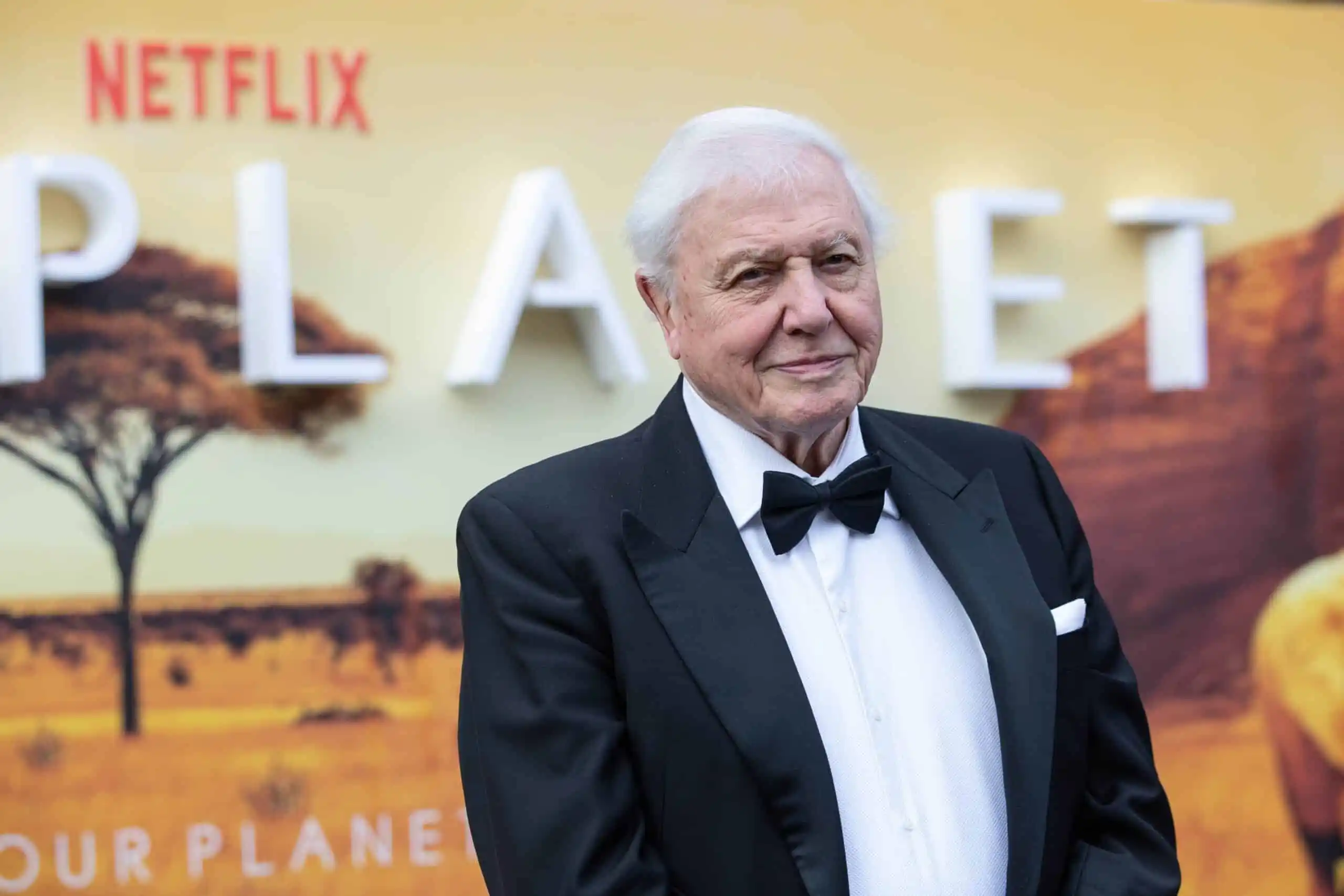
He has brought the natural world into our living rooms for seven decades. Now, as David Attenborough turns 100, it is the perfect time to look back at the extraordinary life of the beloved British broadcaster. From hunting fossils in the English countryside to sitting with mountain gorillas in Rwanda, his journey is a testament to a lifelong curiosity about our planet.
The Boy With a Museum
David Attenborough developed his fascination with the natural world early. Growing up in Leicester, he spent his time cracking open rocks to reveal 150-million-year-old ammonite shells. He even built his own small museum, filling it with treasures like a shed grass snake skin, a Victorian bun penny, and a piece of amber gifted to him by a refugee girl in 1938. His passion only grew when he received his first pet for his eighth birthday: a fire salamander striking in its glossy black and sulphur-yellow colour.
After studying natural sciences at the University of Cambridge, his career took an unexpected turn into television. Despite having hardly watched a TV programme himself, he joined the BBC. By the 1950s, he was pioneering nature documentaries with Zoo Quest, travelling to places like Sierra Leone to film wild animals.
For Australian viewers, David Attenborough has always felt like a familiar friend. He first visited Australia in the 1960s, exploring what is now known as Kakadu National Park in the Top End. He filmed the rich art and culture of First Nations people, along with unique marsupials and reptiles.
But it is North Queensland that truly captured his heart. When asked about his favourite place on Earth, he often names the region for its mountains, tropical rainforests, and the Great Barrier Reef.
A Voice for the Wild
His landmark 1979 series Life on Earth made him a household name globally. Viewers will never forget the moment he crawled through a Rwandan sanctuary to sit quietly with a female mountain gorilla, remarking on how much we share with these magnificent creatures.
Over the years, scientists have honoured him by naming more than 50 species and ancient life forms after him, including a newly discovered wasp for his 100th birthday. But his absolute favourite remains the Attenborosaurus, an ancient aquatic reptile.
Today, David Attenborough remains a powerful advocate for the environment. He continues to urge us to look unblinkingly at the facts of science and take responsibility for the natural world. As he reflects on his 100 years, his message is clear: if we save the sea and the natural world, we save our home.