The typical food retail environment has, in large part, its overall experience anchored by the need for refrigeration in displays. Whether it is the family butcher shop, the specialty deli, or the specialty foods store, consumers are introduced initially by what they see. Display cases are an integral part of the retail environment that influence perceptions of freshness, excellence, and attention to detail. Consequently, meat, dairy, or freezer case selection in retailing is an issue that goes beyond mere functionality, it’s about lifestyle.
In continuing to change their eating patterns, modern-day clients become more and more aware of the origins, freshness, and pre-processing treatments of foods. Shops that value effective design concepts in their interior design will generally feel more inviting and more credible to clients. As an alternative, inappropriate or outdated refrigeration design can impact positively poised goods, giving them an uncared-for look. Developing an enticing food retail environment requires an in-depth knowledge of display designs pertaining to certain types of foods.
How Different Food Products Behave on Display
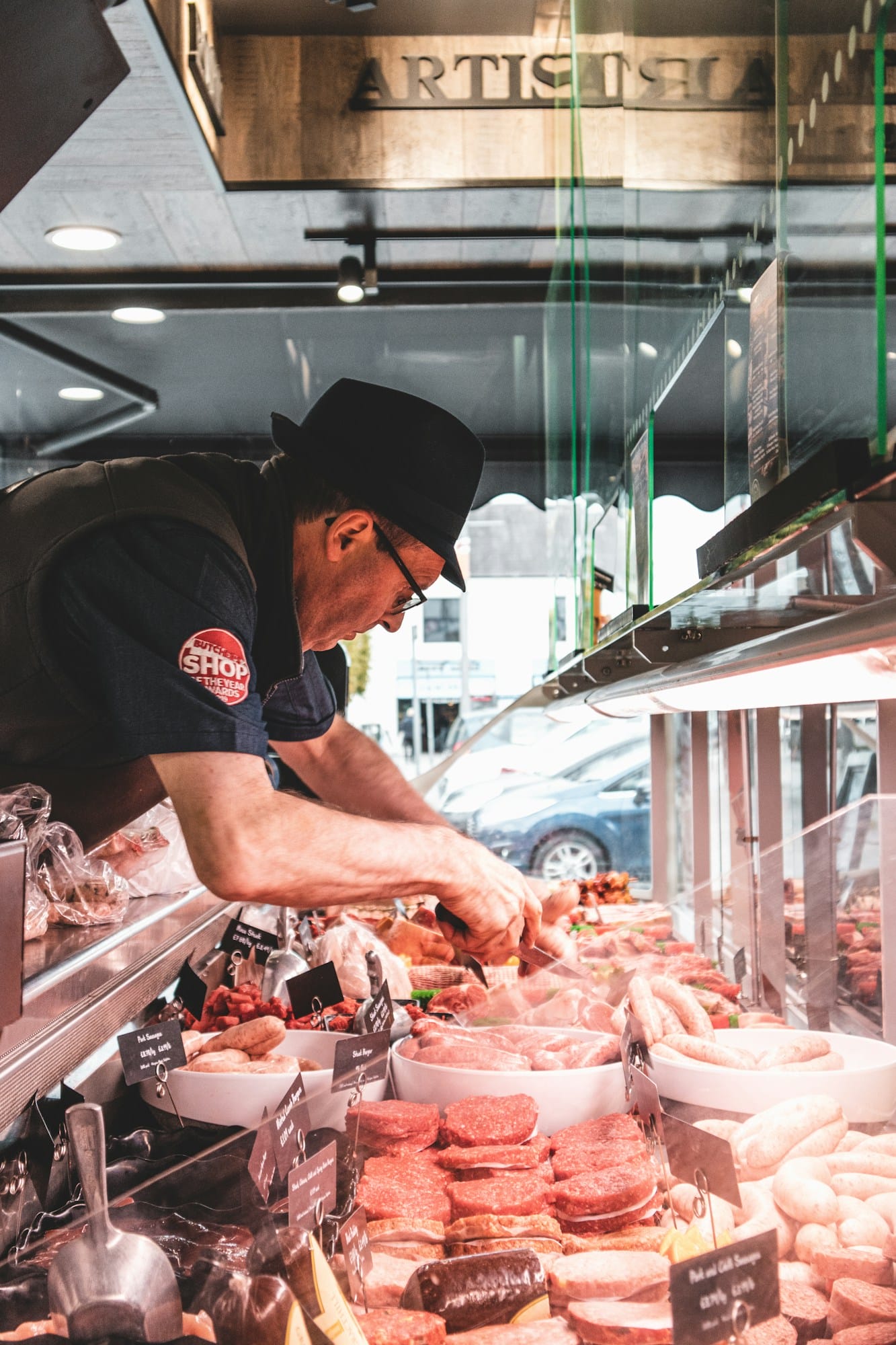
Meat, dairy, and frozen goods all have unique factors that can impact store display practices. Meat is a very emotional purchase that is also very visual. Color, texture, and display all play a big role in customer confidence and appetite stimulation. Proper temperature control and lighting of meat displays indicate attention to detail and expertise.
Dairy items like cheese, milk, or processed dairy products must be accessible and visible. Customers generally view dairy items quickly and make immediate decisions. Such items should be kept in an open or glass fronted display, where consumers can use the product at their discretion. Frozen food items give priority to preservation instead of presentation. Function gets priority instead of form.
It is crucial to understand these differences so that retailers can come up with purposeful visual merchandising that looks organized and not cluttered.
Showcasing Fresh Meat with Impact
Within grocery stores where fresh protein sources can be found, display chiller units are regularly positioned front and center. When it comes to a good butcher display fridge, consumers can view the meat on display with a high emphasis on the meat’s quality without compromise on the temperature control mechanism.
Lifestyle food retailers understand that consumers purchase as they see, and well-cut meat presented with cleanliness and lighting can convey richness without wastage. The strategy also appeals to consumer ideology, where consumers demand quality as well as assurance of ethical handling of their food.
Dairy Displays and Everyday Convenience
Refrigerated dairy cases are a distinct category in the food retail industry. Purchase decisions for dairy products are habitual and often occur as a consequence of larger trips to stores. Hence, convenient locations are crucial for such purchases.
When it comes to lifestyle, dairy cases can also have stories to tell. This will depend on whether it’s artisanal cheeses, local production, or specialty products. When done correctly, it can encourage consumers to explore and make an otherwise mundane shopping experience more interesting.
Frozen display cases are a different breed altogether. Consumers shopping for frozen items are likely to be planning their meals in advance, and so consumers in this category highly favor products that are convenient and long-lasting. As a result, frozen display cases are less concerned with attractiveness and more so with functionality,
A frozen food category, while maybe not as emotive as fresh or dairy products, is definitely an important component of a well-rounded product assortment. When it comes to stores that position themselves around lifestyles, it’s wise to keep frozen food sections supporting, rather than featuring, fresh products.
Flow, Space, and the Customer Experience
Apart from the matter of the merchandise displayed, refrigerated display units also impact the flow of customers greatly. Narrow walkways, misplaced doors, and too much product per display can impede flow and make it less comfortable. Applying units designed with customer flow in mind encourages customers to stay longer and explore more.
Clean lines, harmonious spacing, and thoughtful positioning help to establish a peaceful, inviting environment; the food, naturally, takes center stage. In this manner, display chiller cabinets are more than mere appliances; they are a visual component of the store’s language.
Scale, Care, and Customer Confidence
In today’s day and age, consumers are much more educated and discerning than ever before. They are aware of issues like condensation, lighting, and temperature variation, not even consciously. When they witness consistent shelving solutions for product preservation, they develop consumer loyalty. Meat appears fresh, dairy products are safe, and frozen goods are trustworthy when stored properly.
Waste reduction is also an emerging concern. Cases that promote efficient product rotation and favorable conditions make for products that stay fresh for a longer period and reduce waste sustainability.
Creating a Coherent Food Retail Sector
In the preceding discussions In the end, the choice between the meat, dairy, and frozen display solution is a question of balance. Smart food retail design takes the unique needs for each category into account and still achieves a cohesive look. When design elements reflect basic food values like freshness, care, and enjoyment, the end result is a more intelligent and engaging environment. In contemporary retail, the display fridge is a subtle but influential part of the shopping process, influencing consumer perceptions before the product reaches the home. This choice is more about the ritual of eating, rather than the technology that delivers those goods.