Ever stood in your driveway, hose in hand, staring up at those grimy patches of green muck creeping across your walls? Most homeowners have. And there’s always that little voice going, “How hard could it be?”
Turns out, harder than it looks.
The Allure of Doing It Yourself
There’s something satisfying about tackling a job on your own. You save a few bucks, you get outside, and you feel pretty accomplished when it’s done. House washing seems like the perfect weekend project. Grab a pressure washer, blast away the grime, done by lunch, right?
Well, kind of.
The thing is, house washing isn’t quite the straightforward job it appears to be. That grubby build-up on your walls isn’t just dirt. It’s often mould, mildew, algae, and years of general gunk that’s settled into the surface. And each of those needs a slightly different approach if you actually want it gone for good.
Picture this: someone borrows a pressure washer from a mate, cranks it up to full power, and goes to town on their weatherboard. Ten minutes later they’ve stripped paint, gouged the timber, and forced water up behind the cladding. Now there’s a moisture problem lurking where nobody can see it. Ouch.
Where DIY Goes Sideways
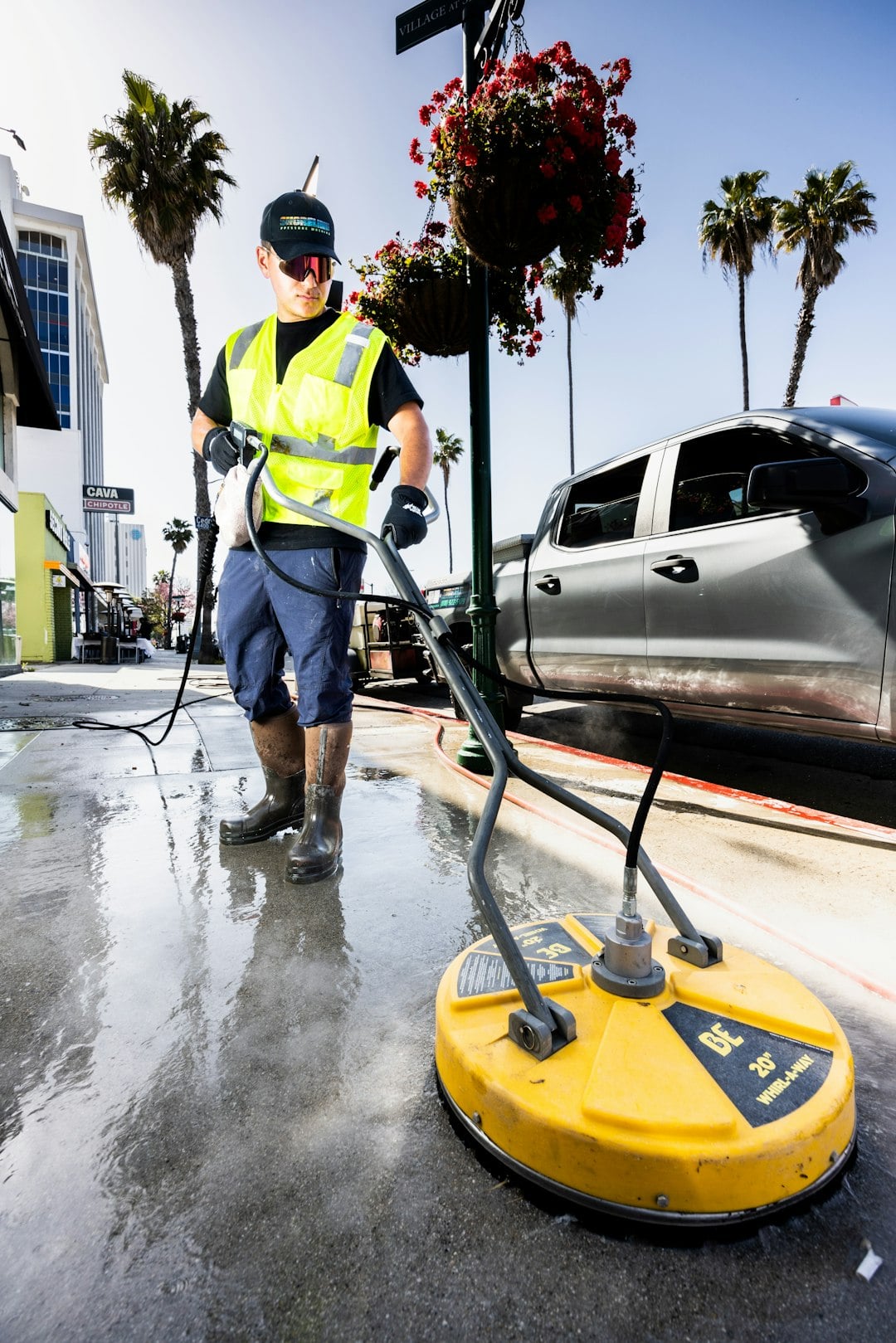
Pressure washers are deceptively powerful. Most people don’t realise how much force is coming out of that nozzle until they’ve already done some damage. Windows crack. Render chips. Render’s expensive to fix, by the way.
Then there’s the whole safety side of things. Half the house is usually up high, which means ladders, awkward angles, and slippery surfaces. Not a great combination. Ever tried holding a heavy wand while balancing two storeys up? It’s genuinely a bit terrifying.
And here’s where it gets interesting. A lot of surfaces around your home shouldn’t be blasted with high pressure at all. Roofs, soft render, painted timber, some cladding types. They actually need what’s called soft washing, which uses low pressure and the right cleaning solutions to lift the muck without wrecking the material underneath. Most people don’t know this until it’s too late.
The truth is, getting the mix wrong can leave streaks, patchy spots, or even kill the plants in your garden beds. Whoops.
What the Pros Bring to the Table
This part’s a bit tricky to explain without sounding like a sales pitch, but there’s a genuine difference in results.
The people who do professional house washing in Brisbane know exactly which method suits which surface. They read the situation, adjust the pressure, pick the right cleaning agents, and get the whole thing done without leaving a mess or a mark. No guesswork.
They also have the gear to reach the tricky spots safely. No wobbling on a ladder while your neighbour watches nervously from over the fence. And because they treat the actual cause of the grime, not just the surface, the results tend to last a whole lot longer.
Anyway, there’s also the time factor. A job that might eat up your entire Saturday, plus a trip to the hardware store, plus the cost of hiring equipment, often gets sorted by a pro in a fraction of the time.
So, Is DIY Worth It?
Look, for a small courtyard or a bit of concrete, sure, have a go. Low risk, easy win.
But for the whole house? Especially anything up high or made of delicate materials? The savings can vanish pretty quickly the moment something goes wrong.
Sometimes the smarter move is just letting someone who does it every day handle the heavy lifting. Your walls, and your weekend, will probably thank you.