
Queensland has always had the ingredients for a great cafe culture. We’ve got the sun in spades, a vibey outdoor lifestyle that gets better by the year and plenty of ways to get out of the house before the day heats up. Our state’s coffee scene may even be becoming the envy of much of the nation. Below, we’ll explore exactly how it’s changed, is changing and what to expect next.
Our Very Own Coffee ID
From experimental iced drinks here on the Gold Coast to specialty roasters operating in Brisbane warehouses and the independent cafes further north, Queensland’s cafe culture is developing its own identity. And the rest of Australia is starting to take notice. We have the tech and capabilities of Victoria, with the coffee machines Brisbane cafes use rivalling Melbourne, with unrivalled beaches and a coastal lifestyle fit for a kingdom of coffee culture.
In 2026, Time Out ranked Gold Coast second among Australia’s coffee hotspots, ahead of Sydney, while Brisbane ranked fifth and Bundaberg tenth. The ranking considered cafe density, customer ratings and average coffee prices. The results reflect our state with a varied hospitality scene. Brisbane brings an urban specialty-coffee culture, the Gold Coast combines quality coffee with a coastal lifestyle, and regional centres are building their own reputations around local operators and destination cafés.
Rather than copying Melbourne’s laneway cafes, Queensland’s strongest venues are finding ways to make good coffee feel at home in their own surroundings.
The Gold Coast Is More Than Beachside Brunch
The Gold Coast has long had the brunch credentials: ocean views, smoothie bowls, outdoor seating and cafes perfectly positioned between a morning surf and the rest of the day. What’s changing is the level of experimentation happening alongside those familiar favourites.
The Time Out report counted 346 coffee spots on the Gold Coast, with an average review score of 4.4 out of five. These figures suggest that good coffee is becoming part of everyday neighbourhood life, rather than being confined to a handful of destination venues. There’s also a willingness to have fun with the menu. Gold Coast cafes are leading the way in things like cold-foam coffee and flavour combinations. You don’t have to go far to find a pistachio, sea-salt vanilla or caramel miso coffee.
It’s exciting to see our local venues responding to customers looking for something memorable, especially in a climate where cold coffee makes sense for much of the year. It’s likely that we can expect more cafes to build an identity around signature drinks rather than relying solely on a standard espresso menu and familiar brunch offerings. The Gold Coast is perfectly placed to explore that territory.
Brisbane Is Raising the Bar on Specialty Coffee
While the Gold Coast gets fun and playful with it, Brisbane gets serious with their specialty coffee. The city’s scene stretches beyond the CBD, with neighbourhood roasters, independent espresso bars and cafes that treat brewing as a craft. From inner-city laneways to warehouse-style spaces and suburban neighbourhoods, coffee has become part of how Brisbane locals meet, work and spend their mornings.
Brissy coffee lovers can explore different brewing methods, beans and coffee flavour profiles. The city is also becoming more adventurous with flavour, borrowing inspiration from its seaside siblings. Cafes are incorporating ingredients like hojicha, sesame and matcha into their menus, giving city customers new ways to explore flavour beyond the traditional cappuccino or long black.
Brisbane’s advantage is sophistication and variety, though. While a signature latte might bring someone through the door, a consistently good espresso and friendly service are what turn a first visit into a habit.
Creative Menus Done With Tact
For the state, the developments towards cold coffee and alternative flavours make a lot of sense. Our hot weather creates natural demand for iced drinks, while an outdoor lifestyle gives cafes plenty of opportunities to make those drinks part of the experience.
Matcha, flavoured cold foam and espresso-based creations are appealing to customers who want something beyond their usual order and are welcoming a new generation of coffee enthusiasts. But the challenge is offering novelty while honouring the artisanal nature of coffee, and avoiding turning the menu into a collection of passing social-media trends.
The most successful venues seem to have a trustworthy tact for developing signature drinks that customers associate with the cafe itself. The drinks need to be memorable for their flavour, not just their appearance. There is always room for the classics, too. Queensland’s coffee culture isn’t abandoning the flat white – it’s catering to traditional coffee drinkers while giving curious customers something new to try.
The Community in Culture
What Aussie coffee does remarkably well is create a sense of community in an otherwise busy and productive age. Little local relationships between customers and baristas have become a point of value in our days. Regulars who feel recognised are more likely to return, recommend the venue and support it beyond a single visit.
In the Gold Coast, many of us swim, surf, run and play in similar spots multiple days a week. A cafe can become part of someone’s daily routine, whether that’s a post-surf coffee, a weekend brunch with friends or a regular stop on the school run, so this sense of community in our cafe culture is super relevant.
Where Queensland Cafe Culture Is Heading Next
Looking ahead, expect more distinctive signature drinks, greater emphasis on quality and sourcing and cafes designed as places people want to spend time rather than just collect an order. Our state’s coffee scene has room to keep evolving, especially as local operators put their own spin on familiar favourites and draw inspiration from international coffee trends without losing the relaxed, welcoming atmosphere that makes the state’s cafes appealing.
Sustainability and responsible sourcing may also become even more emphasised and important as customers pay closer attention to where their coffee comes from, how it’s produced and what happens to the packaging it arrives in. Think: seasonal menus, locally sourced ingredients and more thoughtful approaches to food waste could help cafes stand out for reasons beyond their coffee alone.
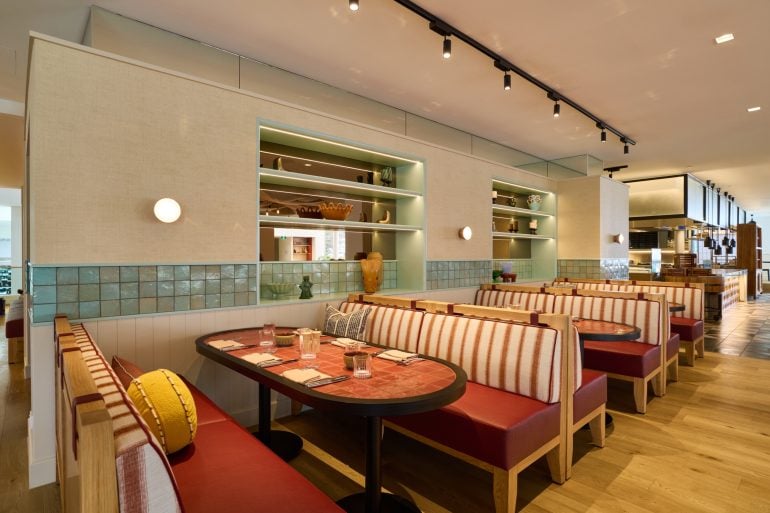
There’s also an opportunity to make the Gold Coast cafe experience more personal. Rather than competing solely on aesthetics or social media appeal, independent cafes can build loyal followings through genuine hospitality, knowledgeable baristas and drinks that reflect their local community. In a state where beachside kiosks, suburban neighbourhood cafes and city espresso bars all serve different purposes, that individuality is part of the appeal.
Key Takeaways
Queensland’s cafe scene, much like our diverse state itself, is unlikely to settle on a single identity. Its strength lies in the differences between its cities and regions, from Brisbane’s specialty-coffee credentials to the Gold Coast’s experimental drinks and outdoor lifestyle. Then, regional cafes have opportunities to build loyal followings by drawing on local produce, neighbourhood character and a strong sense of place.
The Gold Coast coffee culture is showing that Queensland doesn’t need to follow the traditional coffee capitals to earn recognition. The next chapter will belong to the cafes that understand their customers, know how to be creative but sophisticated, make excellent coffee and give people a reason to come back tomorrow morning.