Designing a backyard play area for kids often feels like aiming for a moving target. One year they’re obsessed with tiny plastic slides and sandbox buckets, and the next, those same toys sit completely untouched while your kids ask for something more challenging.
If you want to build an outdoor play space that actually lasts, the key isn’t buying the newest trends. It comes down to planning a flexible layout that evolves alongside your child’s physical abilities, imagination, and changing interests.
Here’s how to design an outdoor play space that stays practical, engaging, and fun from toddlerhood right through to the teenage years.
Prioritise Open, Zoned Layouts Over Fixed Structures
The biggest mistake homeowners make is filling the entire yard with permanent, single-purpose play structures. A massive, anchored playset with small steps and a short slide might be a hit when your kids are three, but by age eight, they will have completely outgrown it.
Instead, think in terms of flexible zones.
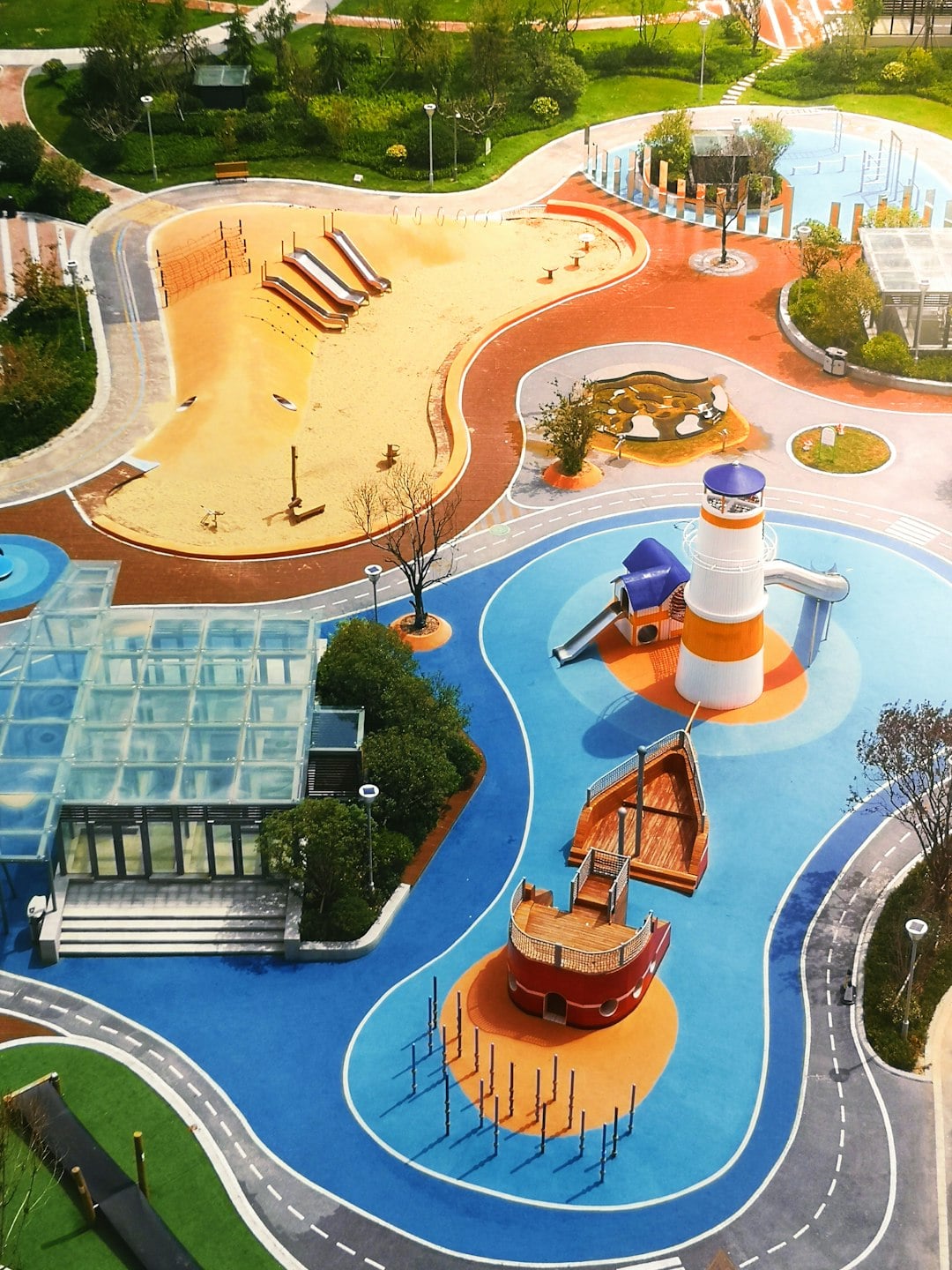
Divide your Gold Coast backyard into adaptable sections:
- An open grass zone for unstructured play, sports, or running around.
- A smooth hardstand zone for wheels, games, and seated activities.
- A shaded lounge or quiet area for reading, art, or socialising.
When you keep the core footprint of the yard open, the space easily transitions as your kids grow. An open lawn that hosts a mini soccer goal today can host a volleyball net or outdoor cinema setup a few years down the track.
Upgrade Your Hard Surfaces for Multi-Age Wheel Play
Paved zones are often the most practical part of a long-lasting backyard. Kids love anything on wheels, but the type of gear they ride changes drastically as they mature. Younger kids usually start with balance bikes and trikes. As they grow, they move up to scooters, rollerblades, skateboards, and children’s electric vehicles.
A smooth expanse of concrete gives kids a safe, flat runway for almost any ride-on toy. It provides a stable, slip-resistant surface that can easily withstand constant foot traffic, heavy ride-on gear, and years of daily use without wearing down.
A well-finished hardstand area isn’t just great for kids on wheels either. It doubles as a perfect spot for basketball hoops, outdoor chalk art, and extra patio seating when hosting family BBQs.
Embrace “Loose Parts” and Modular Play
Static play equipment limits imagination. A plastic playhouse is always just a plastic playhouse.
If you want a space that keeps kids engaged for hours, incorporate elements of modular play and loose parts. Loose parts are moveable materials that children can adapt, combine, and manipulate however they want.
Try including items like:
- Wooden crates, smooth planks, and light timber blocks.
- Large canvas tarps, ropes, and clips for building custom forts.
- Natural rocks, tree stumps of varying heights, and stepping stones.
When children have access to versatile materials, their play naturally matures with them. A five-year-old uses wooden planks to build a simple balance beam. A ten-year-old uses those same planks to build an elaborate obstacle course or a fort frame. The materials don’t change, but the complexity of the play does.
Integrate Nature and Sensory Elements
Nature-based play elements rarely go out of style. While flashy plastic toys fade in the sun and lose their appeal, natural elements encourage open-ended exploration at every age.
Consider adding a dedicated digging pit or a raised garden bed. For younger children, it’s a sensory paradise for dirt, sand, and water play. As they get older, that same garden bed can become a hands-on project where they grow their own vegetables, herbs, or native flora.
Stumps, boulders, and low-hanging tree branches also serve as natural climbing frames. They test a child’s balance and risk assessment in a way that rigid metal playground rungs simply can’t match. Plus, natural landscaping blends seamlessly into your overall garden design, keeping your yard looking beautiful rather than like a public park.
Install Smart Outdoor Lighting and Tech Integration
As kids get older, their daily routines shift. School days get longer, sports practice runs later, and homework fills up the afternoon. If your yard isn’t equipped for evening use, it quickly stops being a functional space for older kids and teenagers.
Adding strategic, low-voltage outdoor lighting extends the usability of your backyard well past sunset.
Focus on functional, flexible lighting solutions:
- Dimmable LED floodlights or festoon lights over paved areas and lawns for late-afternoon ball games or evening hangouts.
- Path and step lighting along garden edges and elevation changes to keep night-time play safe.
- Weatherproof power outlets installed near patio seating or covered decks.
As children transition into their teen years, their outdoor play shifts from active play equipment to socialising. Having access to warm overhead lighting and reliable outdoor power lets them plug in a portable speaker or hook up a projector for outdoor movie nights with friends. Your kids can keep stepping outside long after they have outgrown traditional toys.
Plan for Shade and All-Weather Usability
The Gold Coast sun is no joke. A play area that gets baked in afternoon heat will sit empty for half the year, no matter how cool the equipment is.
Build reliable shade from day one. High-quality shade sails, pergolas, or strategically planted canopy trees make the space comfortable year-round.
Ensure your shade covers both the active play zones and the seating areas. As kids get older, they spend less time constantly running around and more time hanging out with friends outdoors. Having a shaded, comfortable bench, outdoor daybed, or lounge set gives older kids and teens a reason to keep using the backyard as their primary hangout spot.
The Secret to Long-Term Success
Creating a backyard kids won’t outgrow isn’t about spending a fortune on complex setups. It is about laying down strong, versatile foundations.
By focusing on durable hard surfaces, flexible open zones, natural play elements, and modular gear, you create an outdoor space that adapts naturally to every stage of childhood. You save money in the long run, keep your yard looking great, and give your kids a safe, exciting space to step outside and play for years to come.