
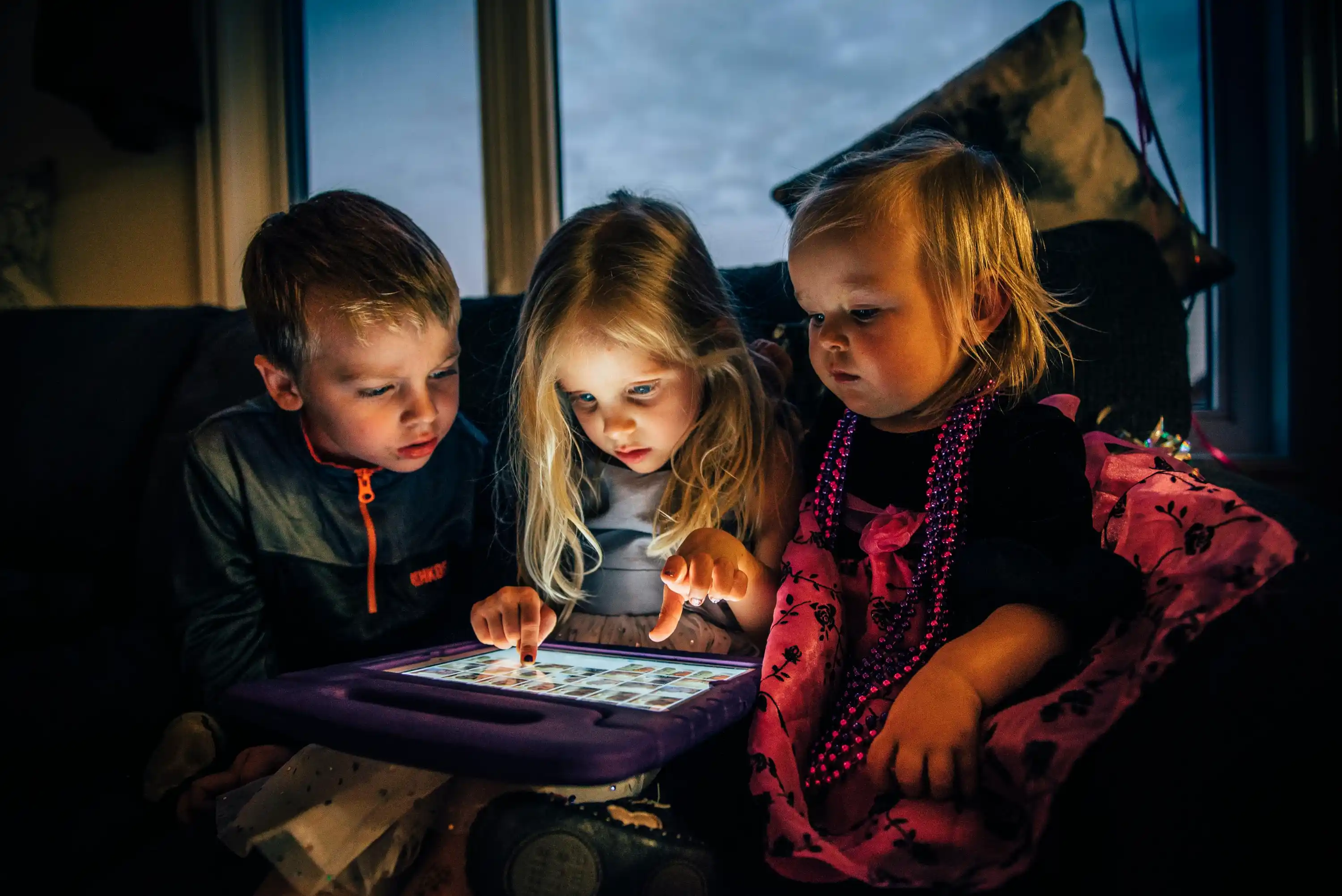
Screens are everywhere, and for many Gold Coast families, it is starting to feel like too much. From tablets at breakfast to TV after school, screen time can creep in before we even notice. It is no surprise that more parents are looking for ways to slow things down and give their kids a break from constant stimulation.
The good news is that screen-free entertainment does not mean going backwards or leaving kids bored with nothing to do. Today’s screen-free options are creative, calming, and genuinely fun. They spark imagination, encourage independence, and fit into real family life on the Gold Coast.
Modern Storytelling Without Screens
Screen-free storytelling today looks very different from what many parents remember growing up. It is no longer limited to books on a shelf or CDs in the car. Audio stories have become a popular way for children to relax, learn, and play without staring at a screen.
Listening instead of watching gives children space to imagine characters, settings, and adventures in their own way. Screens often do that work for them. When children listen, their minds stay active, filling in details and creating meaning from the story.
Audio stories are especially helpful for independent play. Kids can listen while building, drawing, or quietly resting, all while their imagination stays engaged. For toddlers and preschoolers, this kind of storytelling feels calm and familiar, supporting focus without overstimulation.
This is where tonies fit naturally into family routines. Many Gold Coast parents use them during morning routines to ease into the day, or after school when kids need to decompress without zoning out in front of a screen. They are also popular on rainy afternoons when outdoor plans fall through, and at bedtime when winding down matters most.
It is not about removing screens altogether. It is about creating balance in a way that feels realistic and sustainable for families. For many households, audio storytelling has become an easy, everyday way to bring calm, imagination, and independence back into the home.
Outdoor Adventures That Don’t Involve a Screen
Spending time outdoors is one of the simplest ways to reduce screen use, and the Gold Coast offers plenty of opportunities. A backyard nature scavenger hunt is a great place to start. Ask kids to find leaves, rocks, flowers, or insects. It gets them moving while encouraging curiosity and observation.
Beach walks and shell collecting are another easy option. Let children explore at their own pace, collect shells, and make up stories about the sea. This kind of unstructured play invites imagination without the need for devices.
Local parks offer more than just space to run. Bringing simple props like scarves, sticks, or chalk can spark imaginative games. Pretending to be explorers, pirates, or builders encourages children to narrate their own adventures, which supports language development and confidence.
These outdoor activities help children stay active, connect with nature, and use their imagination, all without relying on screens.
Creative Indoor Play for Hot or Rainy Days
When it is too hot or wet to head outside, indoor play can still be enriching and engaging. Child development research suggests that hands-on creative play supports fine motor skills, problem-solving, and emotional expression.
Setting up an arts and crafts area gives children the freedom to experiment and create something of their own. Drawing, cutting, painting, and building help children express ideas while developing coordination and focus.
Building with blocks or recycled materials encourages children to plan, test, and adapt as they play. These activities support spatial awareness and persistence, especially when children are allowed to experiment without strict instructions.
Dress-ups and role-play games invite children to step into different characters and scenarios. Acting out stories supports language skills, social understanding, and emotional awareness.
Pairing these activities with story-inspired play, such as acting out favourite audio stories or inventing new adventures, adds another layer of creativity and learning to indoor time.
Quiet-Time Activities for Busy Afternoons
Busy afternoons are an ideal time to introduce calm, screen-free moments. Independent reading or listening time gives children a chance to recharge and process the day. Many early learning professionals note that quiet, self-directed play supports focus and emotional regulation.
Puzzles and gentle games are another effective option. Puzzles encourage patience and logical thinking, while calm activities help children practise staying present without constant stimulation.
Creating a quiet corner at home can also make a difference. A cosy space with books, puzzles, or soft toys gives children a place to pause, reset, and manage their emotions when they feel overwhelmed.
Quiet time is not only about rest. Research in early childhood development links calm, unstructured play with improved self-regulation and resilience.
Encouraging Imagination Without Overstimulation
Helping children use their imagination does not require screens. There is a clear difference between passive entertainment, such as fast-paced videos, and active play where children make choices, solve problems, and shape their own experiences.
Open-ended play allows children to guide the activity themselves. Studies in child development associate this type of play with stronger creative thinking, confidence, and emotional skills.
Reducing constant visual input can lead to deeper engagement. When screens are limited, children naturally turn to pretend play, storytelling, and creative exploration. These activities encourage them to think, imagine, and reflect rather than simply consume content.
Listening to stories, reading books, and playing with open-ended toys invite children to fill in the gaps with their own ideas. Instead of being shown every detail, they create their own mental pictures and narratives. This process supports imagination and long-term creative development.
Less Screens, More Childhood
Screen-free play is not about doing everything perfectly. It is about making small, intentional choices that support children’s wellbeing. Swapping some screen time for stories, outdoor adventures, creative play, or quiet moments can have a meaningful impact.
For Gold Coast families, screen-free entertainment shows that imagination, calm, and connection still belong in everyday childhood.