
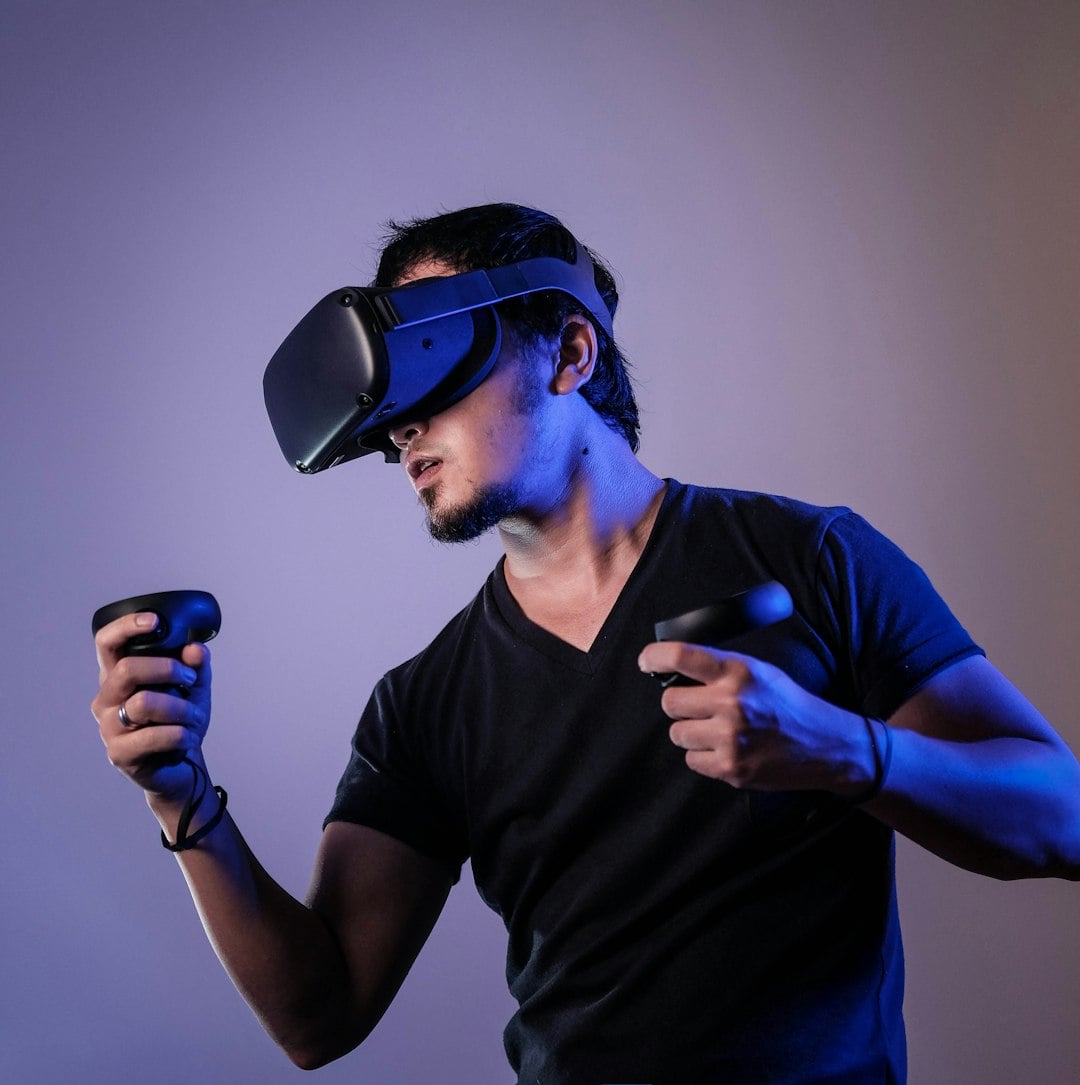
The boundaries of live entertainment are expanding faster than at any point in modern history. The traditional model of media consumption—where audiences passively watch a fixed display or gather in physical venues—is giving way to a new paradigm defined by real-time interactivity, cloud infrastructure, and spatial computing. Driven by the convergence of 5G networks, artificial intelligence, and virtual reality (VR), the entertainment industry is transforming live events from static viewing sessions into fully immersive, participatory experiences accessible from anywhere on the planet.
At the core of this transition is the elimination of physical distance and hardware limitations. High-bandwidth cloud computing allows complex graphical environments and high-bitrate video feeds to be rendered remotely and streamed directly to consumer devices with sub-second latency. Whether attending a virtual stadium concert, exploring an interactive museum, or joining real-time multiplayer arenas, consumers now expect high-definition visual fidelity and instant responsiveness without needing high-end local hardware.
A clear example of how modern digital platforms harness this high-speed, interactive architecture can be found at https://slotloungeofficial.com/ . The site highlights how contemporary entertainment hubs integrate rapid cloud loading speeds, intuitive navigation, and high-performance interactive media to keep users engaged. By removing technical friction and prioritizing cross-device accessibility, demonstrates the operational standards necessary to succeed in a digital ecosystem where audience attention relies heavily on instant, seamless platform execution.
Beyond raw delivery speed, the shift toward immersive virtual spaces is redefining how audiences interact with content creators and fellow participants. Real-time spatial audio, customizable digital avatars, and interactive voting mechanisms embedded into live streams give users a sense of agency that traditional broadcasting could never achieve. As cloud infrastructure continues to mature, virtual entertainment environments will feel increasingly authentic, social, and continuous.
Key Technological Pillars Driving Next-Gen Entertainment
The evolution of live media relies on several interconnected hardware and software innovations working in unison to deliver seamless user experiences:
1. Spatial Computing and VR Hardware
Modern virtual reality technology has moved far beyond early tethered prototypes. Light, standalone headsets equipped with inside-out tracking, pancake lenses, and spatial audio capabilities allow users to move freely through virtual venues, providing a 360-degree sense of physical presence.
2. Edge Rendering and Cloud Infrastructure
High-end graphical environments demand enormous processing power. Cloud edge nodes process heavy rendering tasks miles away from the user, streaming the final visual output in real time. This allows smartphones, smart TVs, and lightweight VR glasses to run complex, hyper-realistic simulations effortlessly.
3. Interactive Social Layers
Modern audiences no longer want to watch events in isolation. Live VR environments integrate real-time multi-user communication, allowing friends located in different parts of the world to sit side-by-side in virtual auditoriums, chat via spatial audio, and influence live performances through interactive controls.
Comparing Entertainment Eras: Legacy vs. Next-Gen Formats
The shift from classic broadcasting to cloud-driven VR experiences has altered key operational metrics across the entertainment sector:
| Performance Metric | Traditional Live Media | Cloud & VR Integrated Media | Direct Impact on User Experience |
| Viewpoint Control | Fixed camera angles set by director | 360-degree user-controlled spatial view | Total audience autonomy over perspective |
| Hardware Requirements | Television set or standard PC | Light mobile devices, headsets, or browsers | Lower bar to access high-end graphics |
| Audience Engagement | Passive viewing & social media commentary | Real-time avatar interaction & spatial chat | Deep emotional investment & presence |
| Latency & Delivery | 10 to 30-second broadcast delays | Sub-second real-time streaming data | Immediate feedback during live events |
| Content Scalability | Limited by physical venue seating caps | Infinite virtual arena capacity | Unlimited global access to exclusive events |
The Rise of Virtual Venues and Hybrid Events
The commercial applications of cloud-based VR entertainment extend across multiple entertainment verticals. Major music artists now perform live inside virtual worlds, attracting millions of concurrent attendees who customize their avatars and buy digital merchandise. Similarly, sports franchises are testing VR season passes, allowing fans to watch games from courtside perspectives while accessing real-time statistical overlays in their field of view.
continue to blur. Gamified elements—such as real-time trivia, digital reward collections, and branchable narrative paths during live streams—are becoming standard features designed to maximize session length and user retention.
Challenges and the Path Ahead
While the future of live entertainment is bright, widespread global adoption depends on overcoming a few technical hurdles. Expanding 5G and fiber coverage to regional areas is critical to preventing bandwidth throttling during high-traffic virtual events. Additionally, hardware manufacturers must continue improving battery life, reducing device weight, and lowering price points to bring spatial computing into mainstream households.
Despite these challenges, the trajectory is clear. The era of passive, static media consumption is giving way to an era of total immersion. Platforms that leverage high-speed cloud infrastructure, intuitive user interfaces, and interactive spatial technologies will define the next chapter of human leisure, connecting global audiences in ways previously thought impossible.