
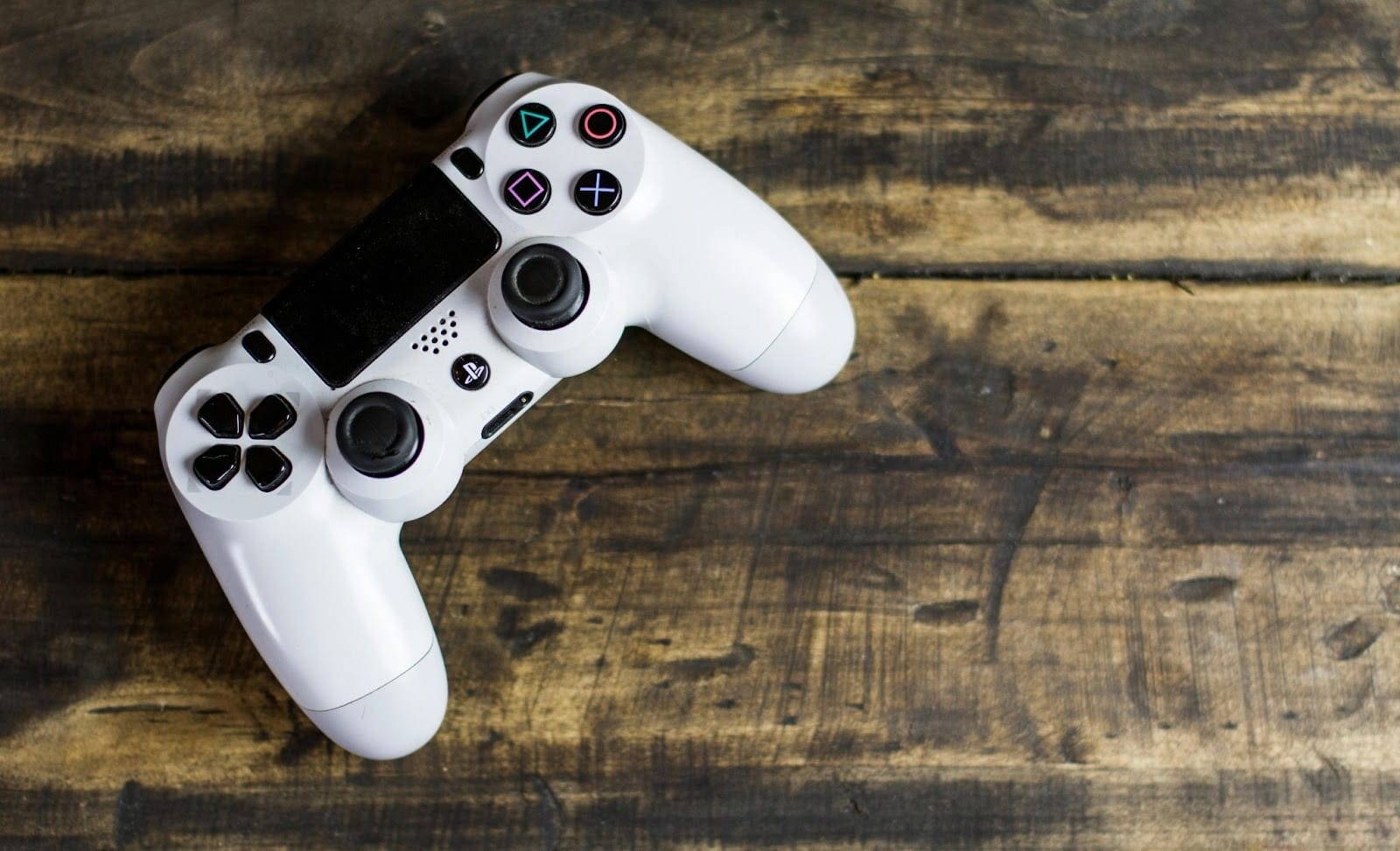
Gaming used to carry a narrow stereotype. That perception has completely dissolved. Today’s reality shows gaming as a universal form of entertainment that spans every generation. The reasons behind this shift reveal how technology, social connections, and accessibility have transformed who games and why.
Australia mirrors global trends in this evolution. Gaming now represents one of the most diverse entertainment mediums, attracting players from all walks of life and age groups. Understanding this transformation helps explain gaming’s current cultural dominance.
Technology Made Gaming Universally Accessible
Modern gaming requires almost no technical barrier to entry. Smartphones put games in everyone’s pockets. You don’t need to understand hardware specs or set up complicated systems. Download an app and start playing. This convenience brought millions of casual players into gaming who never would have bought dedicated hardware.
Mobile gaming particularly exploded across demographics that traditional gaming never reached. Puzzle games, word games, and casual titles attract players who never identified as gamers before. These aren’t simplified experiences either. Many mobile games offer depth and challenge that rivals traditional platforms.
The rise of accessible gaming extends beyond mobile. Cloud gaming services let people stream games without expensive hardware. Subscription services provide vast libraries for monthly fees. The financial and technical barriers that once kept people out have crumbled entirely.
Digital entertainment platforms, particularly crypto casinos in Australia, demonstrate how gaming concepts have spread across entertainment sectors. These platforms combine strategy, chance, and skill in ways that appeal to diverse audiences seeking engaging experiences with digital currencies (source: https://99bitcoins.com/best-bitcoin-casino/crypto-casinos-australia/).
Social Connection Drives Engagement
Gaming stopped being a solitary activity. Modern games emphasize social interaction, cooperative play, and community building. This appeals across generations for different reasons. People maintain relationships with distant family or make new connections through shared gaming experiences.
During the pandemic, gaming became a lifeline for social interaction. Families separated by distance gathered in virtual spaces. Work colleagues bonded over multiplayer sessions. Book clubs and social groups moved to gaming platforms. These habits stuck even as the world reopened.
The social aspect extends beyond playing together. Streaming platforms like Twitch turned gaming into spectator entertainment. People watch others play for the same reasons they watch sports or cooking shows.
Twitch and YouTube also offer an exciting opportunity to merge digital gaming with a vibrant online community. As you grow your channel, you’ll find everything from casual playthroughs to competitive esports, appealing to a wide range of interests and skill levels.
Cognitive Benefits Draw New Players
Research consistently shows gaming provides cognitive benefits across age ranges. Strategy games improve problem-solving skills. Puzzle games maintain mental agility. Action games enhance reaction times and spatial awareness. These benefits give players compelling reasons to pick up gaming beyond pure entertainment.
Many people discovered gaming through brain training apps and then expanded into other genres. What started as cognitive exercise evolved into genuine hobby and passion. The realization that gaming could be both fun and beneficial removed stigma that previously kept some people away.
Games now incorporate learning elements naturally. Historical strategy games teach about different eras. Simulation games develop planning and resource management skills. Even action games improve hand-eye coordination and decision-making under pressure.
Retirement Creates Time for Gaming
Career and family obligations consume decades of time. Retirement opens up hours previously unavailable for hobbies and leisure activities. Gaming fills this time in ways that provide engagement, challenge, and social interaction.
Unlike passive entertainment like television, gaming requires active participation. Players make decisions, solve problems, and engage mentally. This active involvement makes gaming more satisfying for many people seeking meaningful ways to spend their time.
Gaming also offers flexibility that traditional hobbies sometimes lack. Weather doesn’t matter. You don’t need to travel anywhere. Sessions can last 20 minutes or three hours based on your schedule. This adaptability makes gaming fit easily into varied lifestyles and routines.
Games Became More Sophisticated
Gaming matured as an art form and storytelling medium. Modern games feature complex narratives, developed characters, and themes that resonate with mature audiences. The stereotype of gaming as simple entertainment for one demographic collapsed under the weight of titles that rival films and literature in depth and quality.
Games like The Last of Us explore profound themes about loss, survival, and human connection. Red Dead Redemption 2 offers a meditation on mortality and the end of an era. These aren’t superficial experiences. They provide emotional and intellectual engagement that appeals to players seeking meaningful entertainment.
The industry recognized this sophisticated audience and creates content specifically for them. Supporting Australian game development reflects understanding that gaming represents a major cultural and economic force. As the medium gains respect, more people feel comfortable embracing it as a legitimate hobby.