
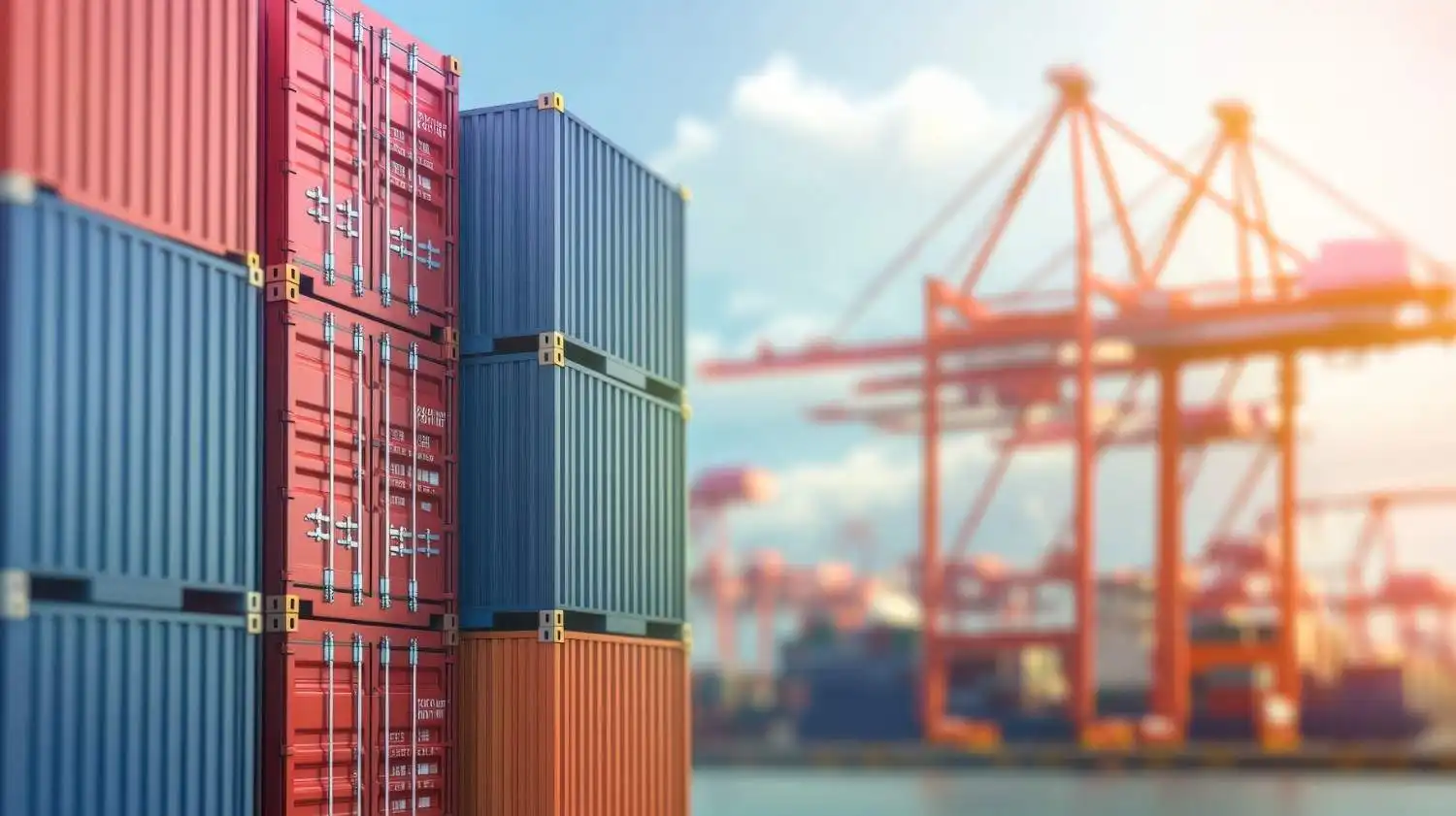
Modern supply chains are under constant pressure to balance durability, sustainability, and cost-effectiveness, especially as goods move faster and further than ever before. In Australia, the packaging industry has evolved alongside growing environmental concerns, stricter biosecurity requirements, and expanding trade relations across the Asia–Pacific region.
Timber packaging stands out as a practical choice. From wooden crates and timber pallets to custom pallets designed for heavy industry, timber packaging offers a versatile solution that meets both operational and environmental demands. This article explores its durability, sustainability, compliance, and adaptability across modern Australian supply chains.
Durability and Protection for Industrial Applications
Timber packaging is widely trusted across Australian supply chains because solid timber and engineered wood provide exceptional load-bearing capacity, making them ideal for heavy industry and machine shipping. Unlike lighter alternatives, timber crates and timber pallets can withstand impact, stacking pressure, and long transit times without compromising structural integrity.
The versatility of wooden crates, wooden boxes, and custom pallets allows businesses to handle diverse cargo sizes and weights efficiently. Whether used for export crates or wooden shipping crates packed as a full container load, industrial timber packaging can be tailored to suit specific customer needs, including internal fittings that minimise movement during transit. This level of secure packaging offers far superior protection compared to corrugated cardboard, which is more vulnerable to moisture, crushing, and tearing.
Pallet stability and pallet safety are additional advantages, particularly in automated warehouses and busy ports. Businesses can choose between Two-Way Entry Pallets and Four-Way Entry Pallets depending on handling equipment and space constraints, improving operational efficiency. Overall, timber packaging and premium packaging supplies deliver a durable, adaptable, and protective solution that supports the demanding realities of modern industrial supply chains in Australia.
Environmental Benefits and Sustainability
Sustainability is now a central consideration for Australian businesses, and timber packaging aligns strongly with these expectations. Timber is a renewable resource when sourced from sustainable timber sources, making it a responsible alternative to many synthetic materials. Australia’s long-standing commitment to sustainable forestry practices and nationally recognised sustainable forestry initiatives ensures that timber products used in packaging are harvested and managed with environmental stewardship in mind.
One of the key environmental benefits of timber packaging is its favourable carbon footprint. Timber naturally sequesters carbon throughout its life cycle, helping to offset emissions, whereas plastics and other petroleum-based materials contribute significantly to greenhouse gas emissions during production and disposal. This contrast is particularly important as businesses look to move away from single-use plastics amid growing environmental concerns and regulatory pressure.
Timber packaging also offers a reusable solution. wooden crates, timber pallets, and other industrial timber packaging can often be repaired, reused, and repurposed multiple times, extending their service life and reducing waste. At the end of life, timber products remain biodegradable and recyclable, commonly processed into engineered wood or reconstituted wood for further use.
By choosing timber solutions, Australian supply chains actively contribute to addressing climate change. Responsible material choices not only reduce reliance on high-emission alternatives but also support a circular approach to packaging that balances performance with long-term environmental responsibility.

Compliance and Biosecurity Standards
For Australian businesses engaged in international trade, compliance with biosecurity regulations is essential, and timber packaging plays a critical role in meeting these requirements. ISPM15 compliance is mandatory for most solid timber packaging used in global shipping, helping to prevent the spread of pests and diseases across borders. In the Australian context, heat-treated pallets and timber crates must meet strict import conditions set by biosecurity authorities.
ISPM 15 bark tolerance requirements are particularly important, as non-compliant bark can increase biosecurity risks to Australia’s agriculture and natural ecosystems. Properly treated industrial timber packaging supports routine surveillance efforts and reduces the likelihood of delays, inspections, or costly rejections at the border.
Clear documentation is equally vital. A correct packing declaration and adherence to non-commodity cargo clearance processes help streamline customs handling and minimise disruption to supply chain operations. By ensuring timber packaging meets all regulatory standards, exporters and importers protect Australia’s unique environment while maintaining efficiency.
Ultimately, consistent compliance strengthens trade relations and safeguards market access.
Cost-Effectiveness and Supply Chain Efficiency
Timber packaging delivers strong long-term value for Australian businesses by combining durability with cost efficiency. High quality wood packaging products are built to withstand repeated handling and transport, reducing the need for frequent replacement and lowering total packaging costs over time. This resilience is especially valuable in industrial packaging applications, where damaged loads can lead to expensive delays and product loss.
Another advantage lies in adaptability. Through bespoke specification, timber pallets, timber crates, and custom pallets can be designed to meet precise customer needs. These tailored timber solutions integrate well with modern logistics environments, including automated warehouses and material handling systems, supporting smoother operations across the supply chain.
Timber packaging also plays a growing role in supporting the e-commerce sector and general manufacturing, where reliable pallet stability and secure packaging are critical to fast-moving distribution models. With Australian manufacturing facilities supplying locally sourced timber products, businesses benefit from shorter lead times and responsive service.
By reducing damage rates and balancing quality with affordability, industrial timber packaging enhances overall supply chain efficiency while remaining a practical, cost-effective choice for Australian industries.
Conclusion
Timber packaging continues to prove its value by addressing the core priorities of modern supply chains: durability, sustainability, regulatory compliance, and cost-effectiveness. For Australian businesses operating across complex domestic and international markets, industrial timber packaging offers reliable protection, environmental benefits, and confidence in meeting biosecurity standards.
As supply chains evolve and expectations around sustainability and efficiency increase, timber solutions stand out as a practical, future-ready choice. By evaluating high quality wood packaging products, organisations can invest in resilient, responsible packaging that supports long-term performance and adaptability in modern logistics environments.