
Painting is painting, right? Not quite. While interior and exterior painting share some basics, they’re genuinely different jobs with different demands, materials, and challenges. Understanding what sets them apart helps you get a better result, whether you’re doing the work yourself or hiring a professional.
Here’s a look at interior versus exterior house painting, what’s different, and why it matters.
Different conditions, different demands
The biggest difference comes down to what the paint has to withstand. Interior paint lives in a controlled, sheltered environment, while exterior paint faces the full force of sun, rain, wind, and temperature swings.
This fundamental difference shapes everything else, from the paint used to the preparation required. Exterior surfaces endure constant weathering that interior walls never face, which is why the two jobs are approached so differently.
The paint itself is different
Interior and exterior paints are formulated for their respective environments. Exterior paints are made to resist weathering, UV, and moisture, with the flexibility and durability to cope with the elements.
Interior paints focus on a clean, attractive finish and qualities like washability for everyday living. Using the right paint for the setting is essential, as interior paint simply won’t survive outdoors, and vice versa.
Preparation varies
Preparation is crucial for both, but it differs. Exterior preparation often involves dealing with weathered surfaces, cleaning off dirt and mould, scraping flaking paint, and addressing the effects of the elements.
Interior preparation focuses more on filling holes, sanding, and achieving a smooth base for a flawless finish. Both demand thorough prep, but the specific tasks reflect the different conditions each surface has faced.
Timing and weather
Exterior painting is at the mercy of the weather in a way interior work isn’t. Painting outside needs suitable conditions, as too much heat, cold, or moisture can stop the paint curing properly and ruin the finish.
This means exterior jobs must be timed around the weather, sometimes causing delays. Interior painting can be done year-round regardless of what’s happening outside, giving it far more flexibility.
Managing disruption
Interior painting brings its own challenge: working within your living space. It involves moving furniture, protecting floors and fittings, and managing the disruption and fumes within the home.
Exterior painting, while weather-dependent, doesn’t disrupt your daily life inside in the same way. Each job requires planning, but the nature of the disruption, and how you manage it, is quite different.
Access and safety
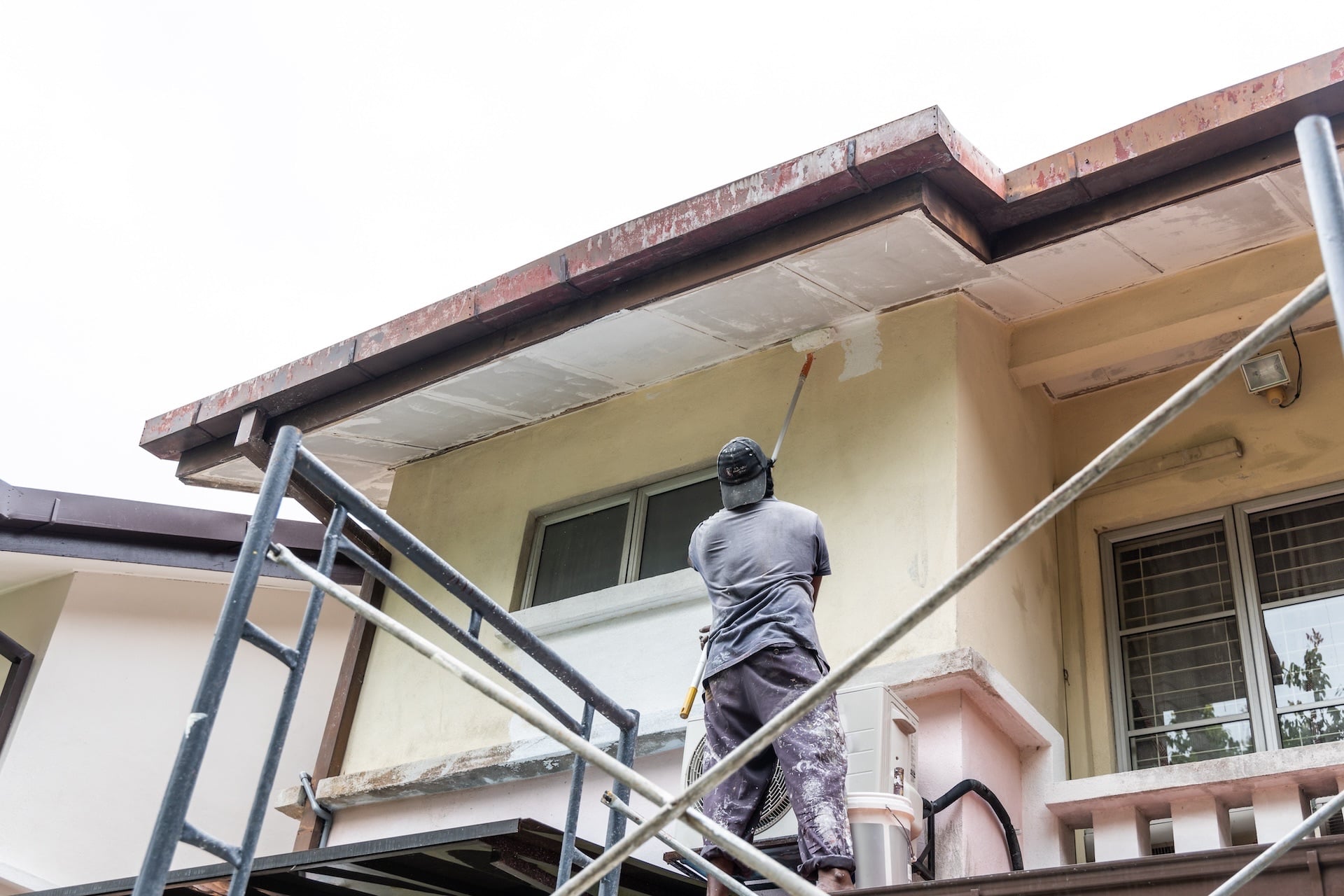
Exterior painting often involves working at height, reaching eaves, upper storeys, and awkward spots, which raises real safety considerations. Proper equipment and care are essential, and it’s a common reason to hire professionals.
Interior work is generally more accessible, though high ceilings and stairwells can present their own challenges. The access and safety demands of exterior work are one of the bigger practical differences between the two.
Getting a great result
Whether interior or exterior, a great paint job comes down to using the right materials, preparing thoroughly, and working in the right conditions, with the specifics tailored to the setting.
For exterior work especially, with its weather, access, and durability demands, many homeowners find professionals well worth it. Understanding what’s different helps you get a lasting, quality result whichever job you’re tackling.