For those seeking cost-effective housing arrangements, constructing a secondary dwelling unit can be a strategic choice. These smaller structures provide the flexibility of additional income through rental opportunities or can serve as a comfortable space for family members. Investment in a compact residence can be an attractive option for homeowners looking for alternatives to conventional housing.
Consider the regulatory environment in your area. Familiarize yourself with local zoning laws and planning permits that may affect your project. Understanding the requirements will streamline your efforts and help you avoid potential pitfalls during construction. It’s advisable to consult with experienced builders or architects who specialize in these types of projects to ensure compliance and optimal design.
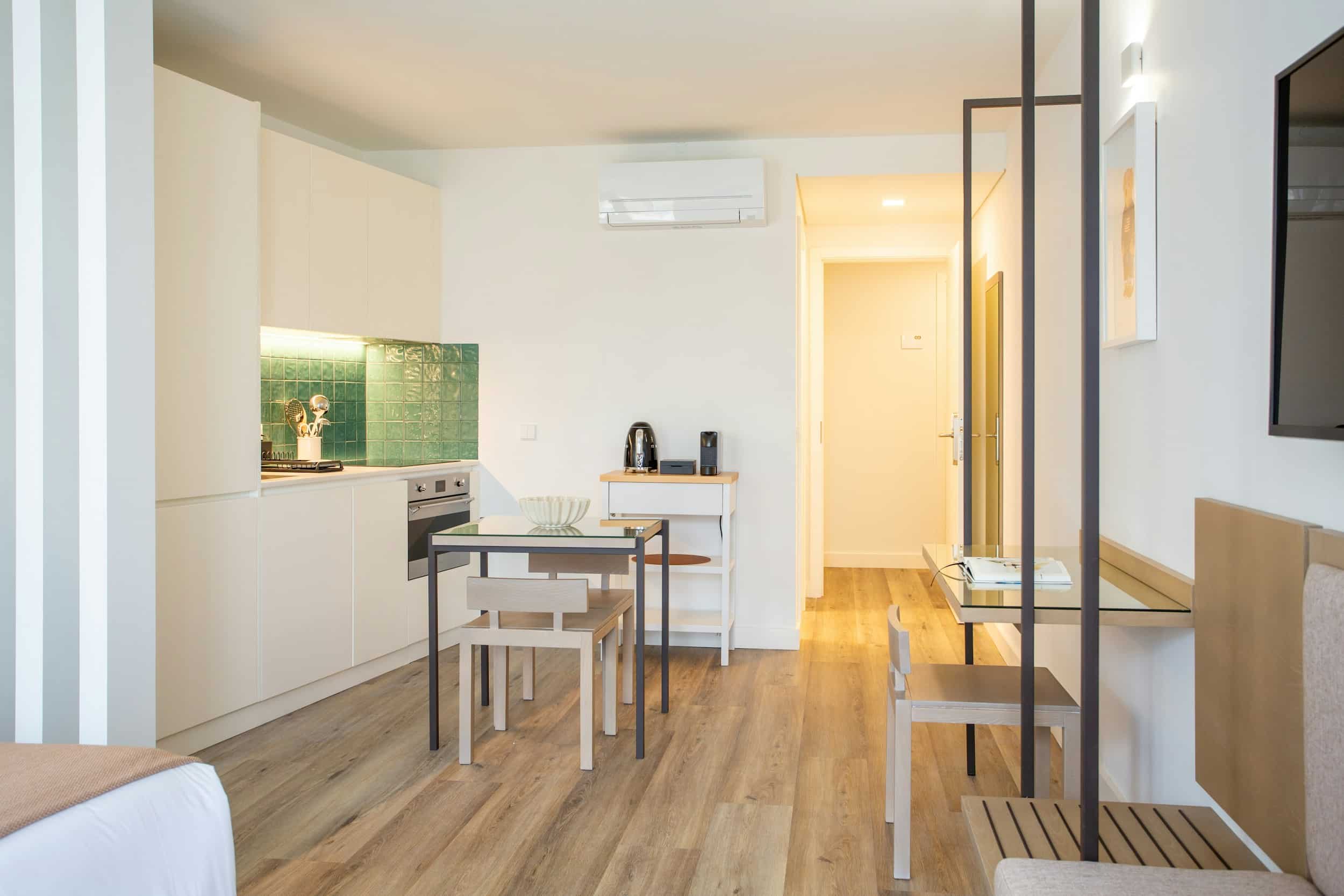
Designing an efficient layout is key to maximizing utility in limited square footage. Focus on multifunctional spaces that can adapt to various needs, such as convertible furniture or open-plan arrangements. Research materials that provide durability while maintaining aesthetic appeal. Prioritizing energy efficiency in your construction methods will contribute to long-term savings and environmental sustainability.
Granny Flats in Melbourne: Affordable Living Solutions
Consider investing in a compact residence on your property, designed for multi-generational living or as a rental opportunity. Properties are typically around 60–100 square meters, featuring a separate entrance and essential amenities. This setup not only provides independence for occupants but also increases property value significantly. Many homeowners exploring granny flats Melbourne are finding them to be a smart, flexible solution for modern living needs.
Building permits are necessary; check local council regulations to ensure compliance with zoning laws. Many councils encourage secondary dwellings, simplifying the approval process. Investigate potential grants or incentives to offset construction costs.
Explore modular options for quicker establishment. Prefabricated units can be assembled faster than traditional builds and often come at a lower financial outlay. Ensure the design meets current energy efficiency standards to attract eco-conscious renters or inhabitants.
Consider the potential rental income, which can alleviate mortgage repayments. Research local rental markets to determine competitive rates. Position the secondary unit attractively in your marketing to highlight amenities, access to public transport, and nearby facilities.
Engage with builders experienced in secondary constructions to obtain accurate quotes. Analyze different designs focusing on maximizing space without compromising comfort. Prioritize functionality in layout, ensuring a seamless flow between areas.
Regularly evaluate the best property use through changing demographics and housing demands in your area. This alternative approach can accommodate shifting needs while contributing positively to community expansion.
Understanding Zoning Laws for Granny Flats in Melbourne
Before constructing a secondary dwelling, assess local zoning regulations. These rules dictate whether you can build a secondary residence and establish requirements regarding land use, size, and design. Most municipalities in the area enforce specific conditions, including setbacks, height restrictions, and minimum lot sizes.
Consult the local council to determine the applicable zoning category for your property. Different zones, such as residential, mixed-use, or environmentally sensitive areas, have varying restrictions. Familiarize yourself with the codes to avoid potential complications during the approval process.
Planning permits are often required when developing a secondary unit. You may need to submit a detailed site plan illustrating the proposed layout and adherence to zoning requirements. Engaging experienced granny flat builders Melbourne or a qualified planner can help streamline this process, ensuring the design complies with all local stipulations.
Check for any overlays affecting your property, which may impose additional rules beyond standard zoning regulations. Overlays can be related to heritage, flood management, or bushfire risk. Understanding these overlays is essential for a successful project.
Investigate the maximum allowable footprint for secondary structures. This dictates how much of your land can be occupied by the new unit. Most areas permit a maximum floor area, so discover the exact figure for your location early to align your plans with the regulations.
Cost Breakdown for Building a Granny Flat in Melbourne
Anticipate total expenses ranging from AUD 100,000 to AUD 150,000, depending on design choices and materials. Consult local builders for precise quotes reflecting your specifications.
Land regulations often dictate site assessment costs, averaging AUD 1,000. Factor in council fees, typically between AUD 1,500 and AUD 3,000, for building permits.
Construction costs average around AUD 1,200 to AUD 2,200 per square meter. For a standard 60 square meter unit, this translates to AUD 72,000 to AUD 132,000.
Outfitting the interior can add costs, approximately AUD 20,000 to AUD 40,000, covering kitchen, bathroom, and flooring installations. Consider energy-efficient fixtures to reduce long-term utility bills.
Installation of utilities (water, electricity, and sewerage) ranges between AUD 5,000 and AUD 15,000. Consult with professionals to ensure compliance with local codes.
Contingency funds of about 10% of the total budget are advisable for unforeseen expenses. Secure financing options early to manage cash flow efficiently.
Benefits of Renting Out Your Granny Flat for Extra Income
Maximize your property’s potential by leasing your secondary unit. This approach can generate substantial additional revenue with relatively low effort.
Consider these advantages:
- Supplementary Income: Renting out the space can significantly bolster your monthly cash flow, aiding in mortgage payments or other expenses.
- Increased Property Value: A well-maintained rental unit can elevate the overall worth of your property, appealing to future buyers.
- Tax Deductions: Expenses related to maintenance, utilities, and property management can often be tax-deductible, offering financial relief.
- Flexibility: You can choose short-term rentals, which allows you to use the space for personal needs when it’s not occupied.
- Community Benefits: Providing rental accommodation can assist individuals or small families in need of housing, contributing positively to the neighborhood.
- Minimal Upkeep: These units require less maintenance than larger dwellings, making management simpler and more manageable.
Evaluate your local rental market for pricing and demand trends to set competitive rates and attract tenants quickly. Regularly maintain the property to ensure its appeal, which can lead to higher occupancy rates and better tenant retention.