
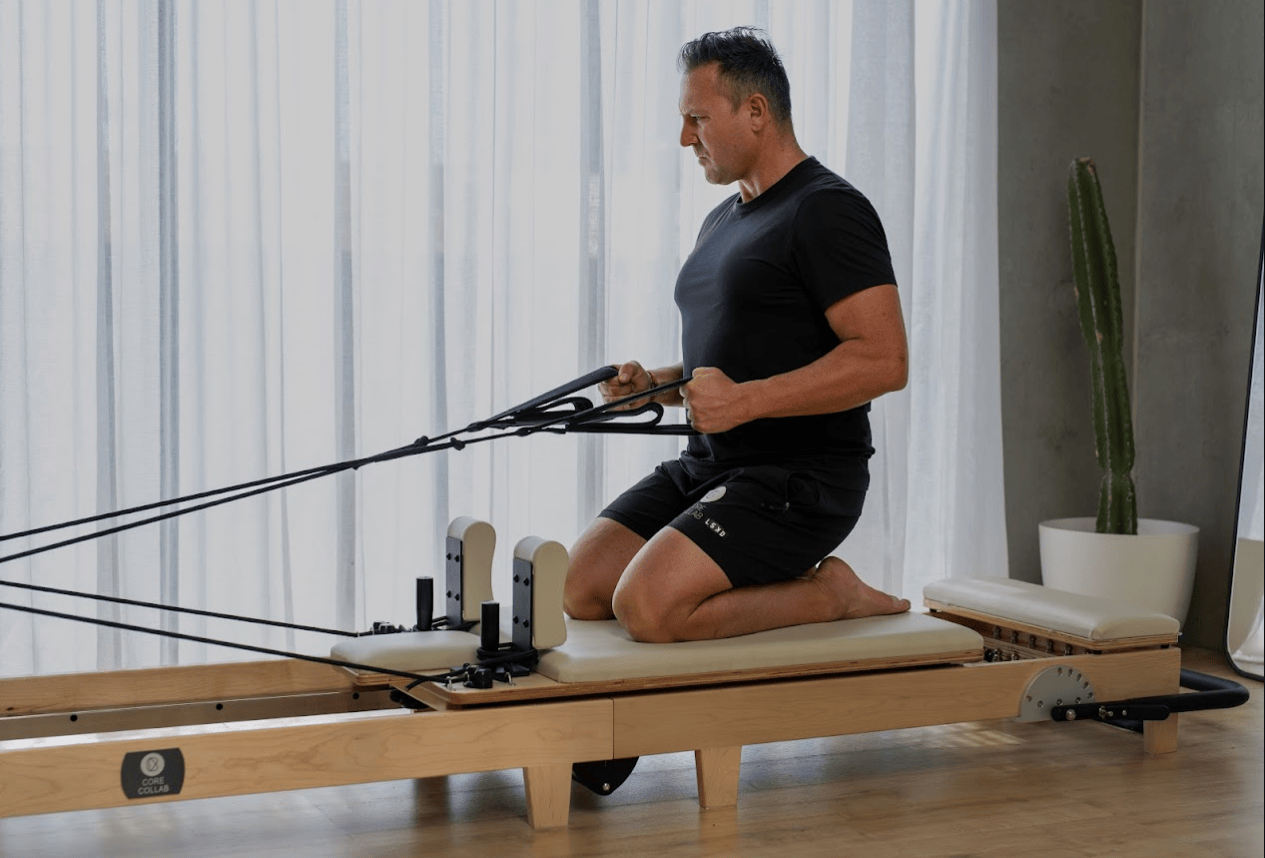
Australians are also discovering how to exercise without having to enter a gym. Increased membership fees, congestion in classes and heavy traffic have made a number of people re-evaluate their fitness habits. The paradigm changes: home is not a place where you can rest anymore.
Why Staying Active at Home Works
Exercise at home is not about skipping effort. It is about saving time and building consistency. When training sessions fit into daily life, people stick with them longer. No travel. No waiting for machines. No pressure to keep up with others.
Small changes in routine can make a big difference. A stretch between work calls. Ten squats before heading to the shower. Even a short walk around the backyard adds up over time. These habits are practical, and they last. Short bursts still count.
The Australian Government’s activity guidelines confirm that movement accumulated across the day improves long-term health.
Making Movement Part of Daily Life
The secret is to blend activity into what already happens. Cooking dinner? Do calf raises while stirring a pot. Watching TV? Hold a plank during the ad break. Working from home? Take calls standing or walking while talking.
These movements do not need to feel like workouts. They become part of the day. Over time, they build strength and improve energy without much planning.
The Rise of Smarter Equipment
Modern equipment has made home workouts far more effective. Adjustable dumbbells, resistance bands, and compact benches replace bulky machines. They take up little space but offer variety.
Some households are also exploring Pilates reformers. These devices combine strength and mobility into one routine. Many choose guided classes that add mindful control. Accessories make these workouts even more practical.
Many home users are also adding practical pilates accessories for smarter workouts to make their routines smoother and their spaces more efficient. A few smart additions can transform a basic setup into a professional training zone.
Small Spaces Still Work
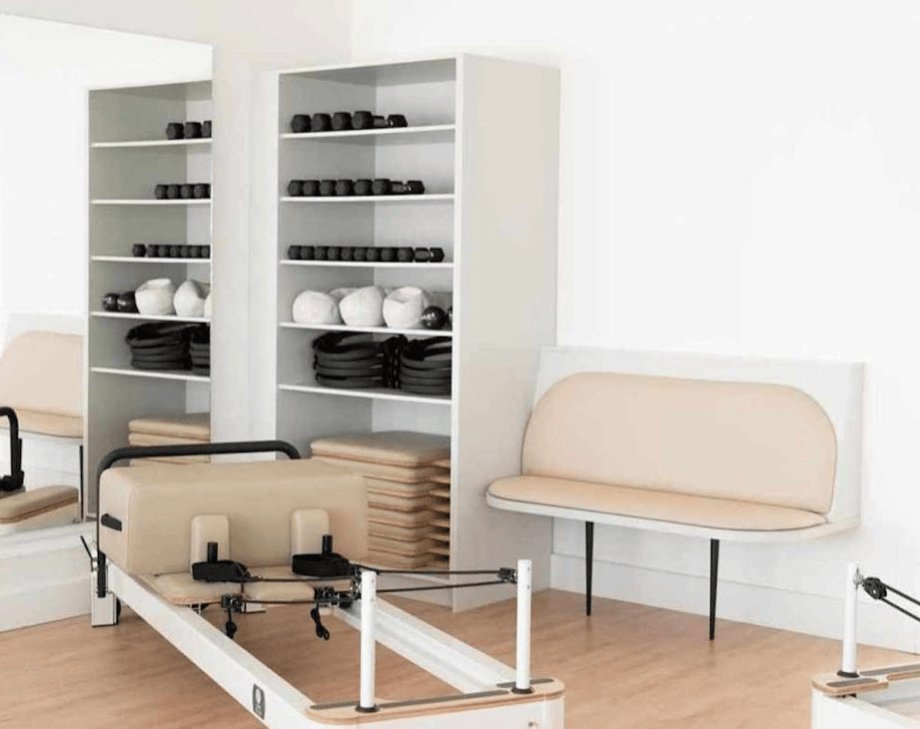
Not everyone has a spare room. That should not hold anyone back. Corners of bedrooms, living rooms, or even patios can double as workout zones.
The trick lies in design:
- Foldable mats slide under beds.
- Wall racks hold bands and ropes.
- Mirrors create light and help with form.
These changes make small spaces feel bigger and more inviting. A tidy setup encourages consistency.
Using Tech as a Training Partner
Technology as a driving force has entered the field of home fitness. Apps can be monitored, video instructions are provided online, and streaming enables classes of the same quality as the studio to get to the screens.
Wearables remind human beings to stand, move, and breathe. Smart speakers schedule talks and play high-energy playlists. Virtual communities also make solo workouts feel social. Training with friends online keeps accountability high.
The best approach is balance. Use tech for support, but avoid cluttering the space with too many devices.
Why Pilates Has Found a New Audience
Pilates is not new, but it has grown popular in this home movement wave. Its emphasis on posture, balance and core strength is appealing to many. It suits nonprofessionals and professional athletes.
Low impact is considered not to be a challenge to the joints, and the muscle endurance is developed. Directed practice is structured and allows freedom of home practice. It also mixes well with other routines. A jog one day, Pilates the next. Such a combination makes exercises engaging and long-lasting.
Creativity Keeps Fitness Fun
It is easier when the routine is fresh. Home exercises are more inventive than most exercises in a gym. Dance patterns, yoga practices, jumping ropes, and even homemade circuits made of furniture will keep the body on its toes.
Variety stops boredom. More critically, it conditions the body in various ways. Strength, balance, and flexibility are all better when dealt with playfully.
Food and Fitness Go Together
Activity is only one half of the picture. Food provides the fuel behind every routine. Healthy meals do not need to be complex or costly.
Some practical swaps:
- Oats with fruit instead of sugary cereals.
- Smoothies with spinach and berries for recovery.
- Water or herbal tea instead of soft drinks.
Cooking at home provides control. It ensures steady energy before training and better recovery after. Pairing meals with regular exercise multiplies the benefits.
Overcoming Common Hurdles
Training at home is not without challenges. Distractions can interrupt. Lack of motivation can set in. Space might feel too small.
Solutions exist:
- Keep sessions short to avoid overwhelm.
- Place equipment in view as a reminder.
- Schedule workouts like appointments.
- Invite a friend to train online together.
The goal is progress, not perfection. Even imperfect routines provide value when they are consistent.
The Mental Health Boost
Staying active at home is not only about fitness. It also supports mental health. Movement releases endorphins that reduce stress and improve focus.
The Victorian Government’s Better Health Channel notes regular exercise supports mood, sleep, and overall mental wellbeing.
Pilates, yoga, or mindful stretching also calm the nervous system. These sessions provide space away from screens and school or work stress. That time matters. It helps reset mood and energy for the day ahead.
Community Without the Gym
Many miss the buzz of gym classes. The good news? Connection can still happen outside the gym. Online platforms host live sessions. Friends set weekly challenges. Families share routines in the living room.
This sense of shared activity builds motivation. It proves that fitness can remain social, even from home.
Designing the Space for Motivation
Style plays a bigger role than many think. A cluttered corner feels uninviting. A tidy, bright, and organised setup feels energising.
Lighting matters. Bright light suits morning cardio. Softer light sets the tone for evening yoga. Music adds mood. Posters or plants bring personality. Even the choice of equipment can inspire. Many say that training with sleek machines like the Sculptformer makes the session feel more engaging because design and function blend together.
Looking Ahead
The trend of home-based activity is not fading. It is growing. Australians are realising that fitness does not need to fit into one model. A run in the park, a Pilates session at home, a streamed HIIT class, all of it counts.
Expect to see:
- More compact equipment designed for living rooms.
- Smarter accessories that support posture and performance.
- Studios offering hybrid memberships for home and in-person sessions.
- Families designing shared wellness spaces.
This shift is reshaping how fitness is viewed. It is no longer about gyms versus homes. It is about working together.
Final Word
Staying active without leaving the house is not only possible. It is practical, enjoyable, and effective. By blending daily movement, smart equipment, and simple nutrition, anyone can build routines that last.
The best part? These changes fit real life. They save time, cut costs, and reduce stress. With the right approach, every home can become a place where health and fitness thrive.