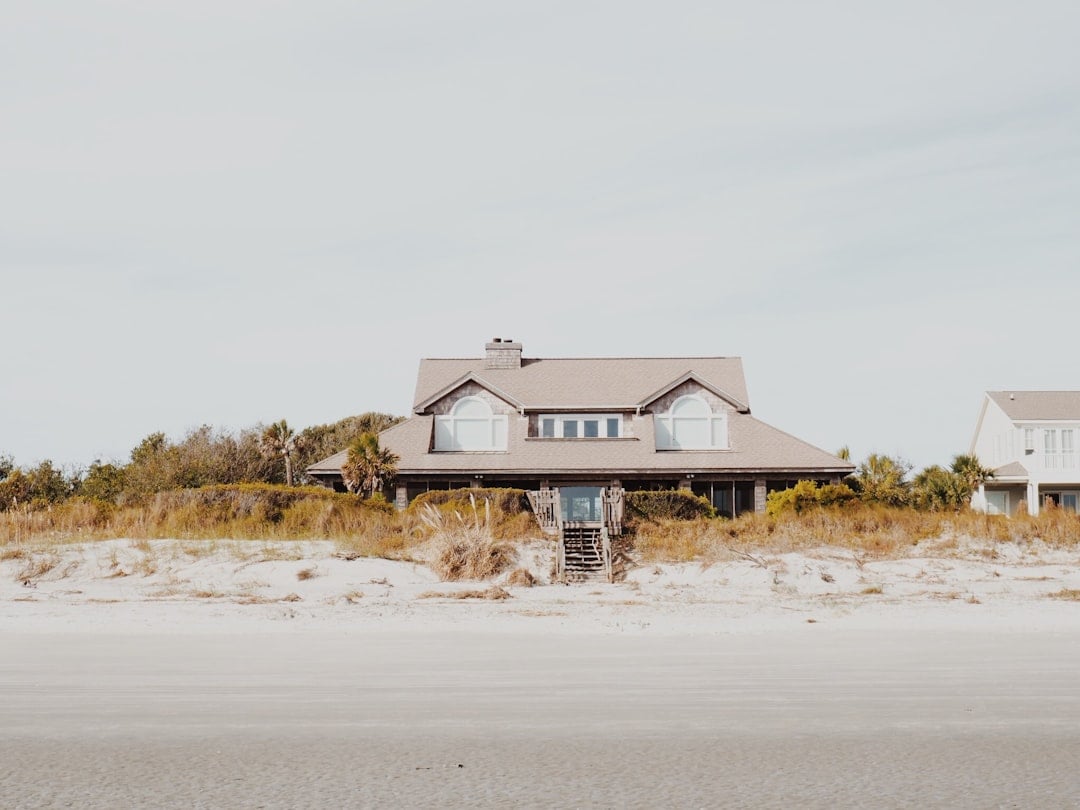
The Gold Coast offers sunshine, surf, stunning beaches, and breathtaking ocean views, but coastal living also comes with unique risks to your valuables. Salt air, high humidity, and increased visibility to passersby can damage precious items and increase the risk of theft.
That’s why a well-prepared coastal home checklist is essential for protecting your heirlooms, important documents, and electronics. An appropriate checklist can dramatically reduce damage, loss, and insurance headaches.
Why Do Coastal Homes Need Extra Protection?
Coastal properties are always exposed to environmental factors that can gradually damage valuable possessions before homeowners realize it. Compared with homes farther inland, coastal homes are more likely to be damaged by salty sea spray, high humidity, and intense UV exposure. Salt particles carried through the air settle on metal surfaces, and this accelerates corrosion and tarnishing.
Higher humidity levels encourage:
- Mold growth
- Warping of important documents
- Artwork damage
- Electronics damage
Stronger storms and heavier rainfall in coastal regions often increase the risk of flooding and water intrusion. Additionally, many coastal homes have large windows or outdoor access that make high-value items more visible to opportunistic thieves. Choosing protective storage solutions over standard household storage practices can help safeguard your items from these environmental factors.
Coastal Home Checklist to Protect Valuables
Different valuables require different levels of protection. Understanding a coastal home protection checklist helps you recognize the specific risks that can affect your valuables. This helps you know what to prioritize before the extreme weather event arrives.
Control Indoor Humidity and Ventilation
Indoor humidity control is one of the most effective preventative measures against moisture and airborne salt. It significantly minimizes salt-related corrosion, mold, and deterioration. Common valuables affected by prolonged exposure to moisture and airborne salt include:
- Luxury watches
- Electronics
- Cameras
- Musical instruments
- Coins
- Silverware
Aim for an indoor relative humidity (RH) of 40–55% for optimal protection and comfort. Other effective indoor humidity control measures include:
- Using a digital hygrometer in rooms where you keep valuables
- Installing dehumidifiers in basements, storage rooms, and closets
- Keeping AC units well-maintained
- Improving ventilation with exhaust fans in kitchens and bathrooms
- Using breathable storage solutions for fabrics (cotton bags rather than plastic)
Using Anti-Tarnish Storage
Anti-tarnish storage is ideal for protecting silverware and precious metals, such as gold coins, from salt and moisture exposure. Before buying gold or silver bullion from a reputable U.S.-based online retailer like Pimbex, make sure you have proper storage in place. Consider storage options such as tarnish-resistant jewelry boxes, airtight containers, or anti-tarnish cloth bags.
Avoid storing silver in ordinary cardboard, newspaper, or plastic bags. Limiting unnecessary handling of valuable collections also helps preserve their condition.
Prioritize Proper Safe Selection and Placement
A well-chosen safe protects against theft, fire, and environmental harm. When selecting a safe, consider both security rating and moisture protection. A lightweight safe may deter casual theft but can often be removed entirely if it isn’t properly installed.
Select a safe with an appropriate burglary rating for your local risk level. Tested safe ratings, such as EN 1143-1 (Europe) and UL ratings (US), provide certified burglary protection.
If you’re looking for a safe to protect paper documents, passports, cash, or digital media, choose one with a fire rating that matches what you plan to store.
Other key factors to consider when selecting and placing a water tank include water resistance, size, and anchoring. Ensure that you bolt the safe securely to concrete flooring or structural supports whenever possible.
Practice Discreet Delivery Habits
While online shopping is now part of everyday life, frequent deliveries can unintentionally advertise valuable purchases. Packages left outside your front door may attract unwanted attention from thieves. They may also reveal expensive items entering your home.
To keep deliveries discreet, use parcel lockers whenever possible. Always schedule deliveries for times when you know someone will be home. You can also ask the courier to leave the package in a secure place and provide a photo after delivery.
If you must leave packages outside, place them in a covered, inconspicuous location. Ideal locations include behind a screen, in a locked recreation area, or even under a heavy planter.
Create a Complete Inventory With Photos for Insurance
Without proof of ownership, insurance claims can be far more difficult in the event of theft, fire, storm damage, or corrosion. Clear, dated documentation speeds settlements and reduces disputes.
Ensure you have high-resolution photos of each high-value item from multiple angles. Document unique identifiers such as close-ups of serial numbers, hallmarks, and maker’s marks.
You can also record short video tours of rooms, showing collections, jewellery, art, and electronics. The video should include a voiceover identifying items and their approximate values. Review and update your inventory annually or whenever you make significant purchases.
Improve Privacy
Incorporating privacy features, such as window privacy film, smart sensors, and home monitoring systems, is among the key considerations when building a coastal home. Window privacy film offers an excellent balance between natural light and improved security without making your home feel enclosed.
Consider installing smart door/window sensors, motion detectors, and glass-break sensors. Smart sensors can monitor temperature and humidity in storage rooms and safes, alerting you whenever conditions deviate from your target range. Other privacy features worth installing include:
- Smart lighting
- Plantation shutters
- Privacy curtains
- Smart blinds
Start Protecting Your Valuables with Confidence
Coastal living should be enjoyed, not feared. The good news is that safeguarding your belongings doesn’t require complicated solutions. Small preventative measures today can preserve the value, condition, and sentimental significance of your belongings for years to come.
Did you find this article helpful? Visit our website for more practical tips and articles on creating a safer, more comfortable, and more enjoyable coastal home.