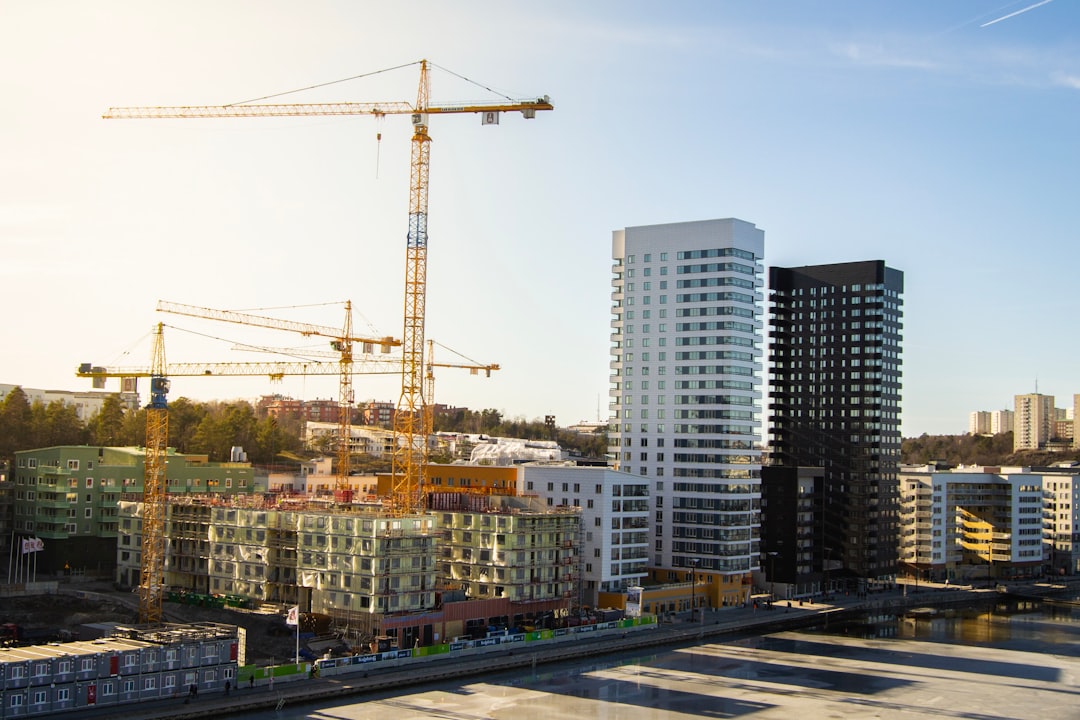
Drive around the northern Gold Coast on a sunny Saturday and you will feel it. That hum of activity. New roads half sealed, cranes turning slowly, signage promising future schools and shopping hubs. Buyers notice these things. They might not read council reports, but they watch where the asphalt goes.
I remember chatting with a young couple at a café in Coomera last year. They had been renting nearby for ages. What finally pushed them to buy was not interest rates or flashy marketing. It was the new train line extension works they drove past every morning. They figured growth was inevitable. Hard to argue with that logic.
Transport upgrades do more than cut commute times. They change how people imagine their daily lives. Suddenly suburbs that once felt far away feel connected. Investors start running the numbers again. Families picture weekend trips without sitting in traffic for hours. Confidence grows quietly, one project at a time.
Mixed Use Precincts Are Making Suburbs Feel Like Communities
Developers have shifted gears. Gone are the days when a housing estate meant rows of identical homes and not much else. Now we are seeing walkable pockets with cafés, childcare centres, gyms and green spaces built into the master plan. It feels more European than suburban Queensland. And honestly, buyers are loving it.
The last time I toured a new precinct in Robina, I noticed how people lingered. They were not just inspecting houses. They were testing the vibe. Kids played near splash pads while parents talked property prices like seasoned analysts. That sense of belonging is powerful. It reduces the fear factor that often comes with buying in a developing area.
Legal certainty plays a role here too. Conversations with developer lawyers Gold Coast often highlight how clearer planning frameworks and structured approvals are helping projects move forward with fewer surprises. When timelines look predictable, buyers feel safer committing. Nobody enjoys uncertainty when six figure loans are involved.
Renovation Fatigue Is Fueling Demand For Fresh Builds
There is a quiet trend happening across Queensland. People are tired of patching up ageing homes. Tradie shortages, rising material costs and endless council paperwork have taken the shine off renovation dreams. A decade ago, a fixer upper felt like an adventure. Now it can feel like a full time job.
I once watched a neighbour attempt a bathroom redo that stretched into nine exhausting months. Dust everywhere. Temporary showers. A relationship hanging by a thread. Experiences like that travel fast through social circles. Buyers are starting to think twice before taking on major projects.
That is why turnkey homes and land packages are gaining traction. Some families are even exploring a knockdown rebuild QLD approach rather than gambling on unpredictable renovations. It is a cleaner slate. New warranties. Modern layouts. Less emotional strain. And, importantly, clearer budgeting.
Lifestyle Developments Are Selling A Future, Not Just A House
Property marketing used to revolve around square metres and granite benchtops. These days it is all about lifestyle storytelling. Waterfront boardwalks. Outdoor cinemas. Community gardens. Whether every promise materialises is another debate, but the vision alone can shift sentiment.
I met a retiree recently who downsized purely because of a planned wellness precinct nearby. He had not even seen the finished product. He just liked the idea of morning yoga sessions and sunset markets within walking distance. Confidence sometimes comes from imagination as much as evidence.
The Gold Coast has always thrived on aspiration. Development trends tap directly into that mindset. When people believe their suburb will evolve into something vibrant and connected, they commit. They invest. They settle in.
Population Growth And Migration Are Adding Momentum
Interstate migration continues to reshape the local property conversation. Buyers from Sydney and Melbourne arrive with different expectations and often bigger budgets. They look at emerging suburbs with fresh eyes. What locals once saw as fringe locations suddenly appear full of potential.
A real estate agent I spoke with mentioned a noticeable shift after the pandemic years. Open homes became busier. Negotiations became quicker. New residents were less hesitant about purchasing off the plan. They were betting on long term growth rather than short term perfection.
Add in ongoing employment opportunities across tourism, health and construction, and the narrative strengthens. Development is not happening in isolation. It is responding to real demand. And that demand feeds market confidence like fuel on a fire.
Technology And Smarter Planning Are Reducing Risk
Digital planning tools, virtual walkthroughs and improved data access have changed how buyers assess projects. People are not relying solely on glossy brochures anymore. They can explore neighbourhood layouts, flood maps and infrastructure timelines with a few taps on their phones.
Transparency builds trust. Trust builds momentum. Momentum drives markets. It sounds simple because, in many ways, it is. When buyers feel informed rather than sold to, they move faster. And when multiple projects across the region show steady progress, confidence becomes contagious.