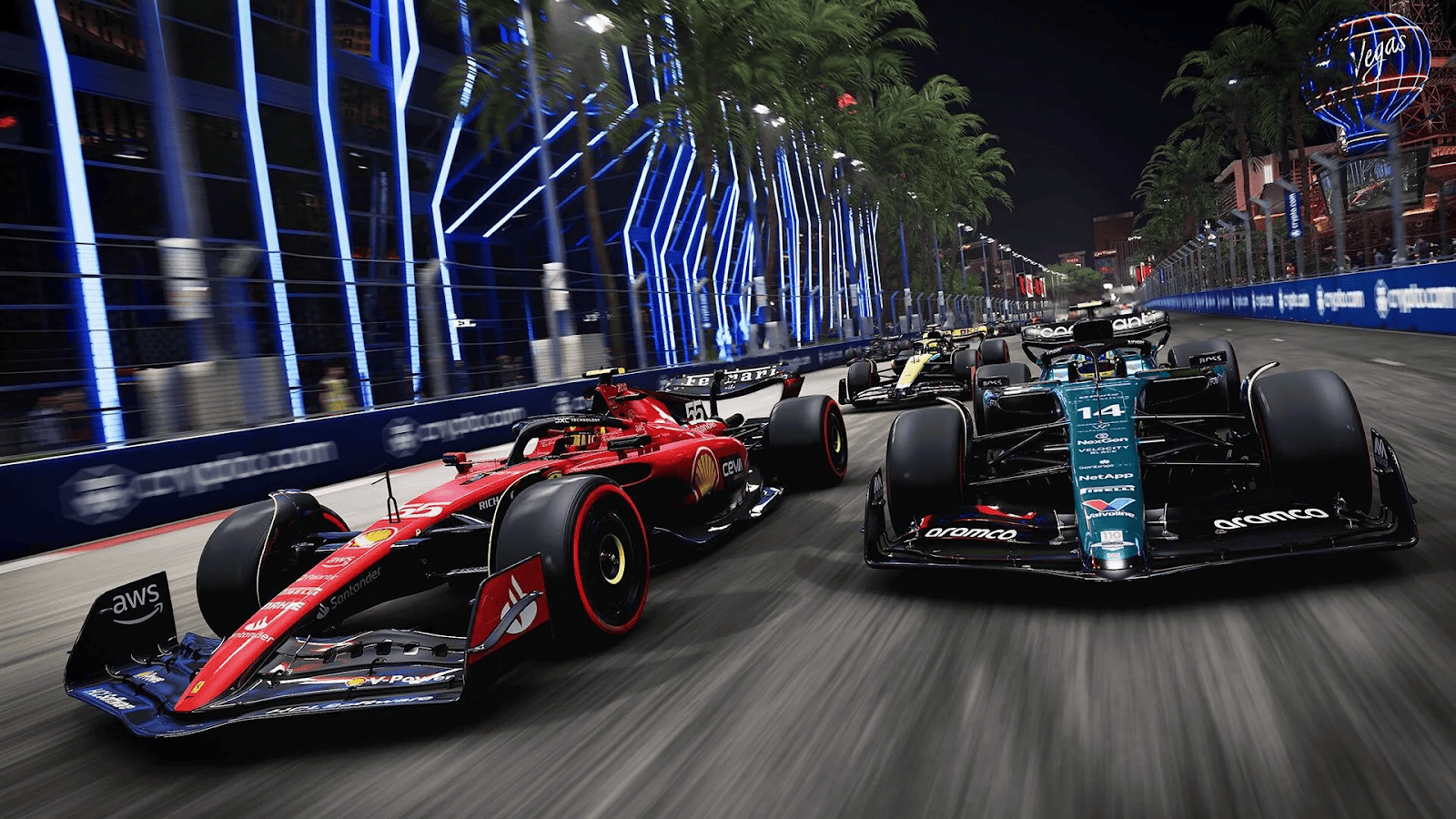
I’ve followed Formula 1 for most of my life, and over the past few years the shift in its digital landscape has become impossible to ignore. The virtual side of the sport is expanding so fast that at times it feels like the online paddock is evolving even quicker than the real one. F1 gaming isn’t just a casual distraction between race weekends anymore — it has grown into a full ecosystem with competitive leagues, creator-led communities, and even racing-inspired gaming formats that mirror the pace and excitement of the track. In some cases, the experience blends seamlessly with broader digital entertainment, much like the fast, high-energy feel you get from online pokies. Watching this transformation from a fan’s perspective feels like witnessing the sport reinvent itself in real time, giving people who may never sit in a real cockpit a chance to tap into the same adrenaline in new and unexpected ways.
The Rise of F1 Gaming Creators and Community Voices
What really stands out to me in the F1 gaming world is how content creators have reshaped the way fans experience virtual racing. Instead of polished, television-style coverage, these creators offer something far more relatable: the raw highs and lows of everyday players pushing for better lap times. Whether it’s dealing with cold tires, experimenting with new setups, or surviving the chaos of online lobbies, their content feels genuinely connected to the community. Even channels like Patrick F1 Gaming — known for capturing the unfiltered rhythm of digital racing — help build that sense of a global “virtual garage” where thousands of us share the same passion.
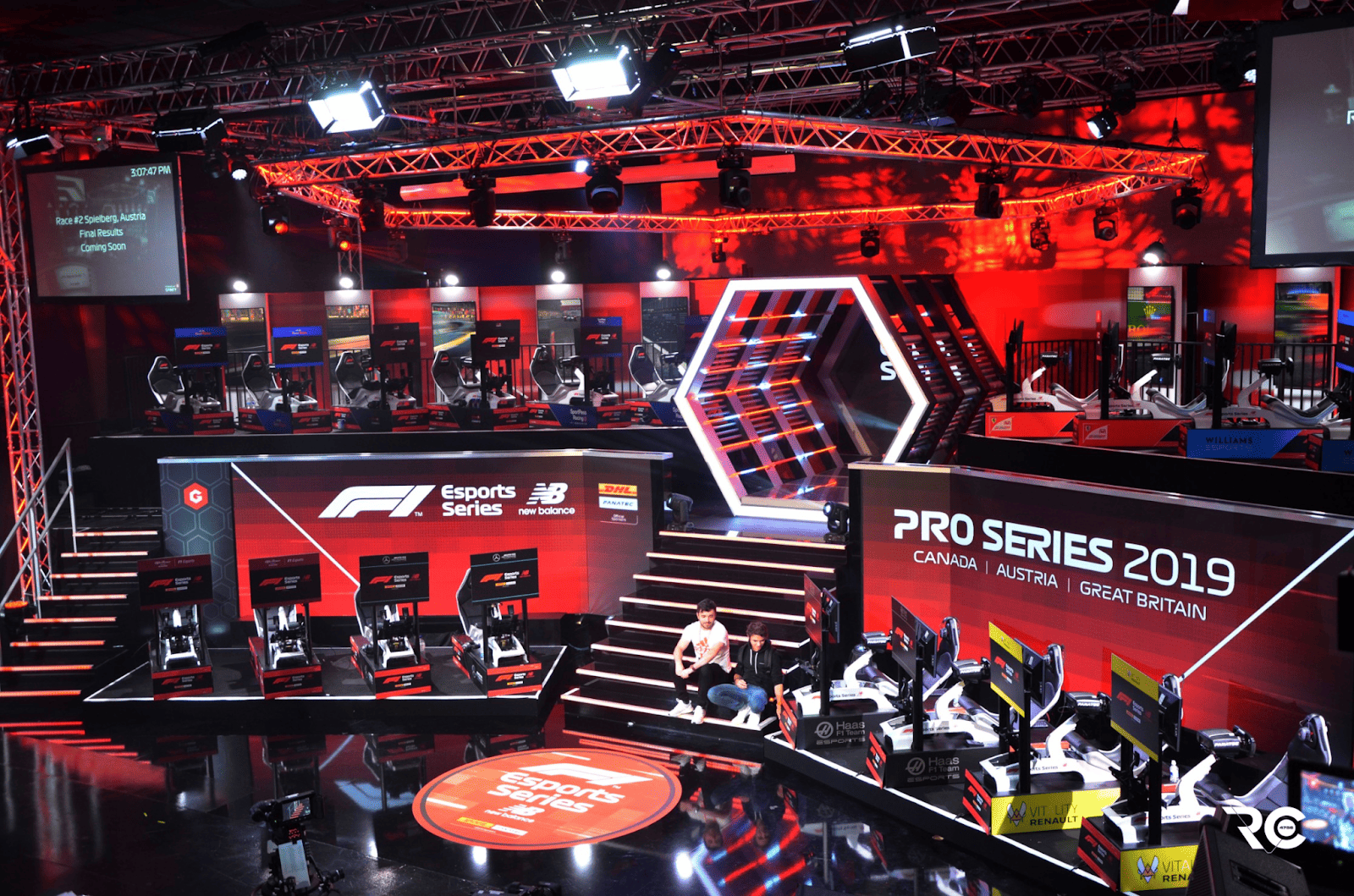
Why F1 Esports Became My Second Race Weekend
When F1 esports first launched, I thought it would be a side attraction — something fun but not essential. Now I treat it like a full championship running right alongside the real one. I check standings, follow the teams, draw comparisons between strategies in esports and real races.
Drivers like Jarno Opmeer brought a new level of professionalism to the scene. They practice with the discipline of real-world athletes, mastering every tiny detail — tire temperatures, fuel loads, racecraft under pressure. The entire formula 1 esport environment feels like a digital proving ground where skill is stripped down to pure execution.
And what’s fascinating is how transparent everything becomes. You’re not just watching a race — you’re watching the learning process, the mistakes, the adjustments. It feels almost educational, especially if you’re trying to improve in F1 gaming yourself.
When Real Drivers Enter the Virtual Grid
The moment things truly changed for me was when real F1 legends stepped into the virtual world. Seeing Max Verstappen, Lando Norris, and Fernando Alonso race online completely transformed my understanding of what virtual motorsport could be.
Verstappen brings the same intensity to sim racing that he brings to the real track—every lap looks like a quali attempt. Norris has this perfect balance of humor, natural talent, and community connection that makes his streams feel like you’re hanging out with him. Alonso? He was supporting esports racing before many people even realized its potential, building teams, joining endurance events, and pushing the idea that sim racing is a legitimate form of competition.
Whenever they enter the digital grid, the gap between gaming and the actual Formula 1 sport disappears. It doesn’t feel like a separate universe anymore—it feels like an extension of the real one.
The Unexpected Rise of F1 Casino Themes
One trend I honestly didn’t expect to enjoy is the emergence of f1 casino and formula 1 casino concepts. At first I thought they’d be gimmicks, but some platforms approached the idea with surprising creativity. The racing-inspired mechanics — risk-reward elements, high-pressure choices, progression systems — actually echo the tension of a strategic race.
You get this interesting blend of motorsport energy and casino-style pacing — quick decisions, sudden openings, and that familiar sense of calculated risk that exists in both worlds. Some platforms even recreate a race-weekend atmosphere through their sound design and visual effects, making each session feel like a mix between a push lap in qualifying and a high-focus casino round. It’s not the central focus of F1 gaming, but it fits surprisingly well within the broader digital motorsport ecosystem. And if you enjoy that crossover vibe, LEON Casino offers a similar rhythm — fast, dynamic gameplay that feels right at home for anyone who already loves the intensity of racing simulations.
Why F1 Gaming Feels Like the Future of the Sport
Maybe it’s because I’ve always loved both racing and interactive formats, but I truly believe the future of Formula 1 sits partly within the digital space. F1 gaming gives fans something the traditional sport never could: direct participation. You’re not just watching strategy — you’re testing it. You’re not just cheering for drivers — you’re competing with them, sometimes literally.
It also creates a more open community. You don’t need a paddock pass, expensive flights, or VIP access. All you need is a PC or console and a willingness to learn. That accessibility is reshaping how new generations fall in love with the Formula 1 sport.
Whether I’m following esports championships, playing with setups, watching streamers, or exploring racing-themed casino concepts, the digital dimension keeps pulling me deeper. It doesn’t replace real F1 — it expands it.
Closing Thoughts
For me, F1 gaming has evolved from a casual hobby into a genuine extension of the sport I grew up watching. It brings together esports champions like Jarno Opmeer, superstar drivers like Verstappen and Alonso, creators like Patrick f1 gaming, and thousands of everyday fans who simply want to race.
It’s competitive, social, educational, and surprisingly emotional. It blends motorsport, gaming, and sometimes even casino-style mechanics into something fresh and dynamic. And the best part is that the evolution isn’t slowing down — it’s accelerating with every season.
To me, this isn’t just another branch of racing culture.
It’s the future of how we experience Formula 1.