Key Highlights
- Shipping containers are transforming festivals and pop-ups into flexible, creative spaces.
- Modular construction allows faster, reusable, and sustainable builds.
- Containers double as both functional infrastructure and design statements.
- Brands and organisers use them for art, retail, food, and immersive experiences.
- The trend reflects a broader shift toward adaptable, low-waste event design.
If you’ve been to a music festival, street market, or outdoor art show recently, you’ve probably seen them — sleek, industrial-looking containers turned into bars, stages, shops, and galleries. What used to be a symbol of shipping and trade has found new life in the world of events.
Across Australia and beyond, shipping containers are becoming the backbone of temporary architecture. They bring structure, flexibility, and a distinctive aesthetic that fits perfectly with the creative spirit of modern festivals and pop-up culture. They can be stacked, painted, opened up, and transformed into just about anything — from espresso stands to immersive brand activations.
The reason for their rise is simple. Event organisers need spaces that are mobile, sustainable, and visually striking. Containers offer all three. What began as a practical solution for transport and storage has become one of the most exciting tools in event design — merging functionality with a sense of creativity that audiences instantly connect with.
The Rise of Modular Spaces in Events
The events industry has always thrived on adaptability. Each site comes with its own challenges — different terrains, timelines, and audience expectations — which means organisers need structures that can change shape as quickly as ideas do. That’s where modular design has stepped in, and shipping containers have become its most recognisable form.
Once seen purely as industrial hardware, containers now represent a smarter way to build temporary venues. They’re quick to deploy, engineered for strength, and perfectly suited to the fast pace of modern event planning. Instead of constructing new frameworks from scratch for each festival or activation, organisers can reuse container-based builds again and again, reducing both setup time and environmental impact.
The appeal isn’t just about efficiency. Modular spaces have a visual confidence that works beautifully in creative environments. Whether they’re stacked into geometric towers or opened up into airy performance spaces, containers have become a design statement in their own right — one that blends urban edge with modern minimalism.
Function Meets Creativity
What makes containers so compelling for event organisers is how effortlessly they combine practicality with creative freedom. At their core, they’re blank canvases — strong, secure structures that can be adapted to suit almost any purpose. With a bit of imagination, a single unit can become a food stall, an art gallery, a DJ booth, or even a multi-level viewing platform.
Their industrial look adds instant character. Event designers often embrace the raw steel surfaces, pairing them with lighting, greenery, and signage to create something that feels both urban and stylish. Others go in the opposite direction, transforming containers completely — adding glass fronts, timber cladding, or bold paintwork to match a brand or theme.
The versatility is endless. Doors can become stages, roofs can double as balconies, and entire rows can form interconnected event hubs. For festivals and pop-ups that thrive on visual impact, containers provide structure without limiting creativity — a rare balance in the world of temporary builds.
It’s this ability to look striking while serving a purpose that has made containers such a favourite among designers. They don’t just hold an event together logistically; they help define its identity.
Mobility and Practicality for Organisers
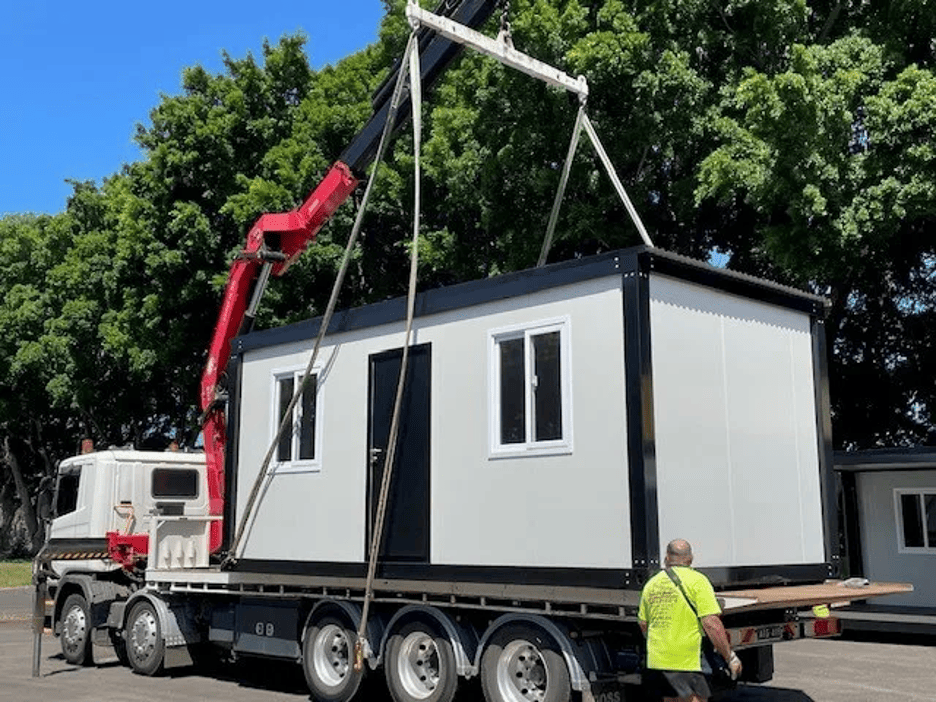
Behind every good event is a team balancing timelines, logistics, and budgets. Containers make that easier. Built for transport, they can be moved between sites with minimal effort and set up far faster than traditional temporary builds. They’re weatherproof, secure, and durable — qualities that simplify planning and reduce costs in the long run.
For organisers planning large-scale activations or mobile setups, it’s become common to buy a shipping container and customise it into a reusable structure for future events. Once fitted out with power, lighting, and ventilation, a single container can serve multiple functions year after year. That level of reusability makes them a smart investment for festivals, food markets, and touring productions alike.
It also opens creative possibilities that aren’t limited to one location. A pop-up art exhibition might start in Sydney, travel to Melbourne, and end up at a coastal festival — all using the same set of containers reassembled to suit each site. The structure becomes part of the event’s identity, travelling alongside it like a mobile landmark.

Sustainability and Reuse in the Events Industry
Sustainability is now a defining factor in how events are designed and executed. From reducing waste to lowering transport emissions, organisers are under growing pressure to create greener experiences. Containers fit neatly into that vision because they promote reuse at scale.
Each time a container is repurposed for a new event, it offsets the need for temporary scaffolding, disposable materials, and single-use builds. Many are made from recycled steel, and with minimal modification, they can last for decades. Even when the structure eventually reaches the end of its life, it can be dismantled and recycled again.
For brands and councils, that combination of sustainability and design appeal makes containers an easy win. They align with environmental goals without compromising creativity. Audiences notice, too — spaces built from recycled materials feel authentic, forward-thinking, and connected to the values shaping modern culture.
Real-World Examples of Creative Use
Look at almost any major festival or city activation and you’ll find containers playing a starring role. At music festivals, they become multi-level bars with rooftop seating. At street markets, they form neat rows of colourful retail pods. In urban laneways, they’re turned into pop-up art spaces or soundproof podcast studios.
The beauty lies in their adaptability. One weekend they might house a gin tasting room; the next, an interactive installation or lighting display. Their simple geometry lets designers experiment with scale and repetition, stacking units to create sculptural pavilions or immersive corridors that draw people in.
These projects have helped blur the line between architecture and experience. Containers aren’t just practical shells — they’re storytelling tools. Each one can be transformed to reflect a brand, theme, or creative vision, offering a physical canvas that’s as flexible as the event itself.
Conclusion
In an industry where trends move fast and creativity never stands still, containers have carved out a lasting role. They’re adaptable, sustainable, and full of personality — qualities that fit perfectly with the evolving world of festivals and pop-up culture.
What started as a solution for moving cargo has become a medium for design innovation. Containers give organisers the freedom to build quickly, think differently, and create experiences that travel as easily as they inspire.
The future of events is modular, mobile, and endlessly imaginative — and the humble shipping container is right at the centre of it.