
Summer travel has a way of testing your patience before the trip has even started. One packed terminal, one late inbound aircraft, one gate change nobody hears properly, and suddenly a short flight turns into a full day of waiting. For Australian travellers moving during school holidays or the Christmas rush, that pattern shows up often enough to plan around rather than react to.
Why Peak Summer Delays Build So Quickly
The problem is rarely one major disruption. It is a sequence of small delays that builds pressure across the network. Aircraft arrive late, crews hit time limits, and ground teams are forced to move faster than the system comfortably allows. If you are relying on a tight schedule, that pressure finds you sooner or later. For travellers who want more control over timing, options like a charter plane remove many of these pressure points entirely by avoiding congested commercial systems.
Book the Flight Most People Avoid
Early departures consistently outperform the rest of the day. The aircraft is already in place, the crew is fresh, and delays have not had time to build across the network. It might mean a 5 am alarm, but it also means a far better chance of arriving when you expected. By mid-afternoon, even a well-run airport starts to show signs of strain.
Do Not Travel on Predictable Peak Days
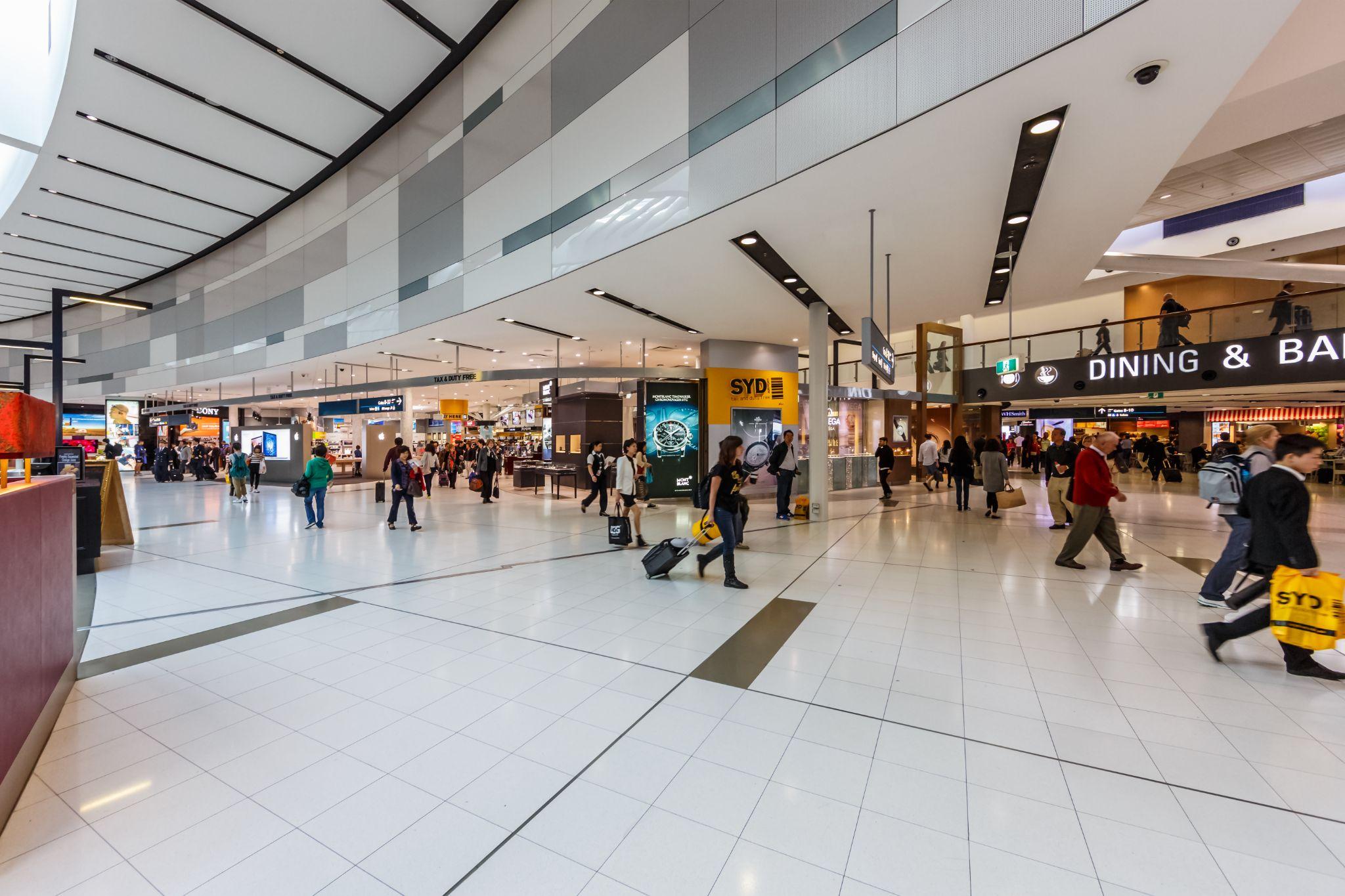
There is a pattern to when airports feel at their worst. Fridays heading into a weekend, Sundays coming back, and the first and last days of school holidays all carry heavier passenger loads. On the east coast, routes between Sydney, Melbourne and the Gold Coast feel this most. Shifting your flight to a Tuesday or Wednesday can reduce queues, speed up boarding, and lower the chance of delays stacking against you.

Keep Your Route Simple
Connections are where most itineraries break down in summer. A late first leg does not just delay your arrival; it can cancel the rest of your journey. That is especially frustrating if you are linking domestic and international flights or travelling for a short break. A direct route removes that weak link and keeps your trip intact, even if something minor goes wrong.
Choose Airports That Make Sense for Your Trip
Bigger is not always better when it comes to airports. Larger hubs bring more flights, but also more congestion, longer queues, and more moving parts. For Gold Coast travellers, this often comes down to a simple choice: convenience versus scale. A smaller, more efficient airport can sometimes deliver a smoother start to your trip, even if it offers fewer flight options.
Travel Light To Stay Flexible
Checked baggage adds friction at every stage of the journey. You wait longer to drop it, longer to collect it, and you depend on systems that are already under strain during peak periods. Carry-on travel keeps you mobile. If your flight changes or you need to move quickly to another service, you are not tied to the baggage system catching up.
Track the Aircraft, Not Just Your Booking
Flight apps are useful, but they only tell part of the story. The real indicator is where your aircraft is coming from and whether it has left on time. If your plane is delayed before it even reaches your airport, your departure is already at risk. Watching that movement gives you a clearer picture and, in some cases, enough notice to adjust your plans before the delay is officially announced.
Give Yourself More Time Than Necessary
Peak travel is not the time to plan tight turnarounds. If you are heading to a major event, a cruise departure, or anything with a fixed start time, arriving the night before removes a lot of risk. It also changes how you experience the trip. Instead of watching the clock and hoping everything lines up, you start the journey in control of your time.
Recognise When Commercial Flights Are a Limitation
There comes a point where even well-planned commercial travel cannot keep up with your schedule. Busy periods reduce flexibility, and airlines have limited options when flights fill up or run late. For travellers with fixed commitments or multi-stop itineraries, alternative travel options begin to make more sense. The ability to set your own departure time and avoid crowded terminals can turn a complicated journey into a straightforward one.
Focus on Control, Not Luck
Delays during peak summer are not unusual; they are expected. The difference between a smooth trip and a frustrating one usually comes down to how much control you build into your plans. Better timing, simpler routes, and realistic expectations all work in your favour. Once you start approaching travel this way, you spend less time reacting to problems and more time actually enjoying where you are going.