Entertainment Spending as a Lifestyle Choice in 2026
The way Australians and New Zealanders spend their entertainment dollars has undergone a quiet but significant transformation over the past two years. What once felt like spontaneous spending-a night out here, a streaming subscription there-has evolved into something more deliberate. Entertainment in 2026 isn’t just about having fun; it’s become an expression of personal values, a reflection of lifestyle priorities, and increasingly, a line item in the household budget that people actually think about.
The shift isn’t dramatic enough to make headlines, but it’s evident in everyday conversations and consumer data. People are asking different questions now: “Is this subscription still worth it?” “How much am I really spending on entertainment each month?” “What brings me actual joy versus what’s just a habit?” This mindfulness represents a broader cultural moment where entertainment spending has moved from the realm of impulse into the territory of intentional choice.
The Big Picture: Where Entertainment Budgets Go Today
The entertainment landscape in 2026 is fragmented in ways it wasn’t even five years ago. Gone are the days when “entertainment” primarily meant cinema tickets, cable television, and the occasional concert. Today’s entertainment budget is sliced into dozens of smaller pieces: streaming services, live events, dining experiences, gaming platforms, social activities, fitness classes that double as social time, and digital content subscriptions of every variety.
What’s striking is how differently individuals allocate these budgets based on lifestyle stage, location, and personal preferences. One person’s entertainment portfolio might be heavily weighted toward live music and dining out, while another’s consists primarily of digital subscriptions and home-based activities. This fragmentation reflects a broader truth about modern life: entertainment has become deeply personalized, and there’s no longer a dominant cultural template for how we’re “supposed to” spend our leisure time and money.
Australia: Social Experiences Still Lead the Way
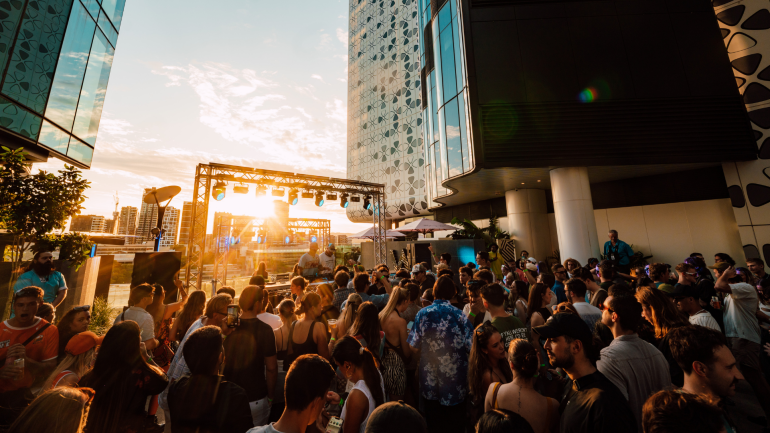
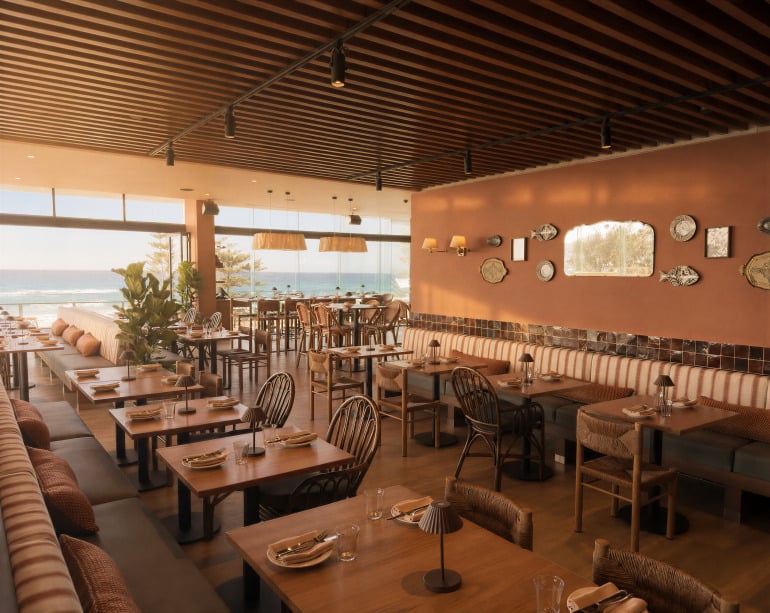
For Australians, particularly those in urban and coastal areas, entertainment spending in 2026 continues to lean heavily toward social, out-of-home experiences. The café culture that defines cities like Melbourne and Sydney, the beachside dining scene on the Gold Coast, and the festival circuit that runs year-round across the country all reflect an entertainment philosophy centered on shared experiences and being out in the world.
The Gold Coast exemplifies this trend particularly well. Here, entertainment isn’t something you consume-it’s something you do. Weekend markets, beach clubs, music festivals, new restaurant openings, and outdoor cinema events create a lifestyle where entertainment spending naturally flows toward experiences that combine social connection with being in beautiful spaces. When Gold Coast residents talk about their entertainment budget, they’re often describing a lifestyle that blends dining, social activities, and cultural events into something that feels less like discrete purchases and more like the texture of everyday life.
This preference for experiential entertainment isn’t just about extroversion or weather-it reflects Australian cultural values around mateship, outdoor living, and the social aspect of leisure time. Even as digital entertainment options have exploded, many Australians maintain a strong preference for entertainment that gets them out of the house and into shared spaces.
New Zealand: Digital Entertainment Takes a Larger Share
New Zealanders, by contrast, have embraced digital entertainment platforms with particular enthusiasm over the past several years. This isn’t to say Kiwis don’t value social experiences – they absolutely do – but the balance has shifted more noticeably toward home-based and digital options compared to their Australian counterparts.
Several factors drive this trend. New Zealand’s smaller population centres mean fewer large-scale entertainment venues and events, while geographic isolation has accelerated the adoption of digital platforms. As a result, services ranging from streaming subscriptions to online gaming communities-and even comparison searches such as top paying online casino nz -are increasingly viewed as part of a broader digital entertainment ecosystem rather than as alternatives to traditional leisure activities.
The subscription economy has found especially fertile ground in New Zealand. Many households now maintain multiple streaming platforms, gaming services, and digital content subscriptions, treating them as predictable monthly expenses that offer consistent value. This has led to an entertainment spending pattern that is more home-centred and budget-structured than in Australia, where discretionary spending on in-person social experiences continues to play a larger role.
Younger Audiences vs Established Professionals
Age and life stage create stark differences in entertainment spending patterns across both countries. Younger Australians and New Zealanders, particularly those in their twenties and early thirties, tend to favor flexibility and variety. Their entertainment spending might spike dramatically one month for a music festival or overseas trip, then drop to bare minimum during recovery periods. They’re more likely to subscribe and unsubscribe from services based on specific content they want to watch, and they view entertainment spending as inherently variable.
Established professionals in their forties and fifties, meanwhile, have gravitated toward more curated entertainment portfolios. They’re more likely to maintain consistent subscriptions, have regular dining or cultural event patterns, and view their entertainment spending as a stable budget category. This group often spends more overall on entertainment but in more predictable ways-season tickets to performances, regular restaurant reservations, maintained gym or club memberships, and established streaming service lineups that rarely change.
The difference isn’t just about income-it’s about mindset. Younger audiences treat entertainment as something to be optimized and experimented with. Older audiences treat it as an established part of their lifestyle that deserves consistent investment.
Transparency, Value, and Control in Modern Entertainment
One of the most significant shifts in 2026 is how much consumers value transparency in entertainment spending. The frustration with unclear pricing, hidden fees, and unexpectedly high bills has made Australians and Kiwis more attentive to exactly what they’re paying for and whether it delivers genuine value.
This mindfulness manifests in several ways. People are more likely to audit their subscriptions regularly, canceling services they’re not actively using. They’re drawn to entertainment options with clear, upfront pricing rather than variable costs. And they’re increasingly vocal about businesses-whether venues, platforms, or services-that they feel aren’t providing fair value for money.
This demand for transparency has influenced how entertainment providers operate. More businesses now emphasize clear pricing, no-surprise billing, and straightforward terms. The ones that have adapted to this expectation are thriving; those still relying on confusion or unclear value propositions are struggling to maintain customer loyalty.
Entertainment as Part of Personal Financial Planning
Perhaps the most telling sign of how entertainment spending has evolved is its incorporation into broader financial planning conversations. Where entertainment was once treated as discretionary spending that happened organically, many Australians and New Zealanders now actively budget for it alongside rent, groceries, and savings.
This doesn’t mean people are having less fun-quite the opposite. By treating entertainment as a legitimate budget category deserving of planning and protection, people report feeling less guilty about spending on it and more satisfied with their choices. The planning creates permission to enjoy entertainment spending rather than treating it as financial weakness.
Financial advisors report that clients increasingly ask about “reasonable” entertainment spending levels and how to balance immediate enjoyment with long-term goals. This represents a maturation in how both countries think about money-not as something that divides neatly into “essential” and “wasteful,” but as a tool for creating a life that feels balanced and enjoyable.
Conclusion: A More Conscious Way to Spend on Fun
As 2026 unfolds, the entertainment spending habits of Australians and New Zealanders reflect two populations that are becoming more intentional about how they pursue enjoyment. Australians continue to emphasize social, experiential entertainment that reflects their outdoor lifestyle and cultural values around shared experiences. New Zealanders have increasingly embraced digital platforms as primary entertainment sources, creating home-centered entertainment ecosystems that work within their geographic and demographic reality.
What both countries share is a move away from passive consumption toward active choice. Entertainment spending in 2026 isn’t something that just happens-it’s something people think about, plan for, and increasingly view as an important part of a well-lived life. That shift from guilt to intentionality might be the most significant entertainment trend of all.