A few years ago I walked into a marketing office on the Gold Coast that looked like a storage unit with Wi-Fi. Papers stacked everywhere. Coffee cups forming a small civilisation. The team was talented, but they worked like they were running through mud. The strange thing? Everyone thought the mess was harmless. It wasn’t.
Workspaces talk. Quietly, but constantly. A tidy, organised environment tells staff their work matters. It signals that someone has thought about how people move, sit, focus and collaborate. When a workplace feels chaotic, employees carry that chaos into their thinking. You can almost watch concentration evaporate.
Cleanliness is the obvious starting point. Dusty desks and overflowing bins send a message that standards are optional. And humans mirror the standards they see. When companies invest in proper maintenance and services such as office clean Melbourne providers, the difference becomes obvious fast. People keep spaces tidier. They take ownership. Productivity follows.
The Psychology of Order
Our brains hate clutter. Neuroscientists have been saying it for years. Too many visual distractions compete for attention and force the brain to work harder just to focus. It’s exhausting.
I once worked with a small creative team that insisted clutter helped their creativity. Fair argument. Artists do thrive in a little chaos. But after we reorganised their studio, added storage and cleared surfaces, deadlines suddenly stopped slipping. Coincidence? I doubt it.
When employees sit down at a desk that feels calm and intentional, their brain settles faster. Less noise. Less visual chaos. Just the task at hand. Even subtle changes matter. Better lighting. Clear walkways. A place for everything.
And here’s something people forget. Clean environments also reduce stress. Not dramatically, but enough to matter by Thursday afternoon.
Layout Matters More Than You Think
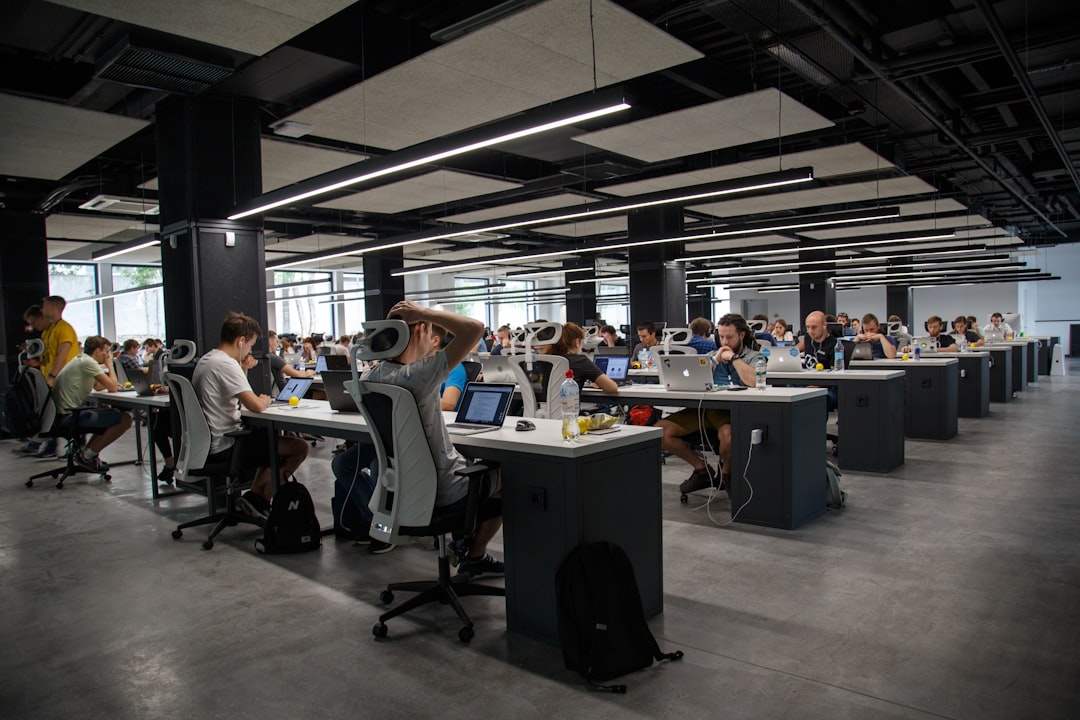
Open plan offices were supposed to solve everything. Collaboration. Communication. Innovation. Reality has been a little messier.
Too much openness creates distraction. Too many walls kill interaction. The trick is balance. Zones help. Quiet corners for focused work. Social tables for brainstorming. Spaces where someone can make a call without whispering like they’re in a library.
I saw this play out with a tech startup last year. They redesigned their workspace after constant complaints about noise. Within a month, their project turnaround improved noticeably. Not magic. Just smarter layout.
Good design also considers flow. People shouldn’t need an obstacle course just to reach the printer.
Fresh Air, Natural Light and a Bit of Green
Ever noticed how people feel better working near a window? That isn’t imagination. Natural light boosts mood, regulates sleep cycles and improves alertness. Sunlight simply wakes the brain up.
Plants help too. Not just for aesthetics. Indoor greenery reduces stress and subtly improves air quality. A desk plant might seem trivial, but small details add up.
Outdoor breakout areas are gaining popularity for the same reason. Some offices even incorporate features like composite decks to create relaxed outdoor meeting spaces. Step outside for ten minutes, talk through an idea, come back sharper. It works.
Work shouldn’t feel like being sealed inside a grey box all day.
Ownership Changes Everything
Here’s something managers underestimate. When employees feel ownership over their space, they treat it differently.
Give someone control over their workstation and suddenly things stay organised. Let teams influence how areas are arranged and they maintain them better. It’s simple psychology. People care about things they helped shape.
I once watched a workplace introduce a “reset your desk before leaving” habit. Nothing strict. Just a gentle expectation. Within weeks the office felt calmer every morning. Starting the day without yesterday’s mess hanging around makes a bigger difference than you’d think.
The Culture Behind the Clean Desk
Clean workspaces aren’t just about hygiene or aesthetics. They reflect culture.
A workplace that stays organised usually has clear communication and shared responsibility. Teams respect each other’s space. They respect their work. Messy offices often reveal something deeper. Rushed processes. Poor planning. Leadership that hasn’t thought about environment at all.
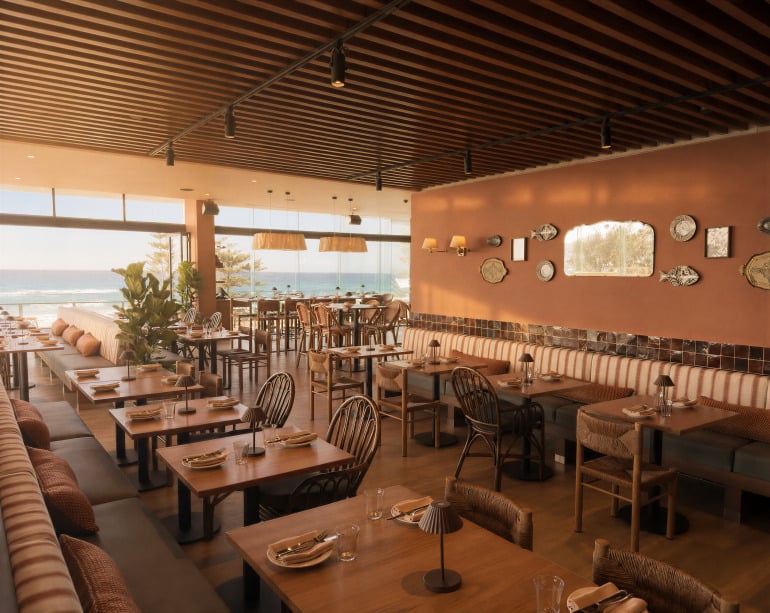
The Gold Coast has plenty of businesses that understand this. Walk into their offices and you notice the difference immediately. Airy rooms. Thoughtful layouts. Surfaces you can actually see.
Nothing fancy. Just intentional.
And intentional spaces tend to produce intentional work.