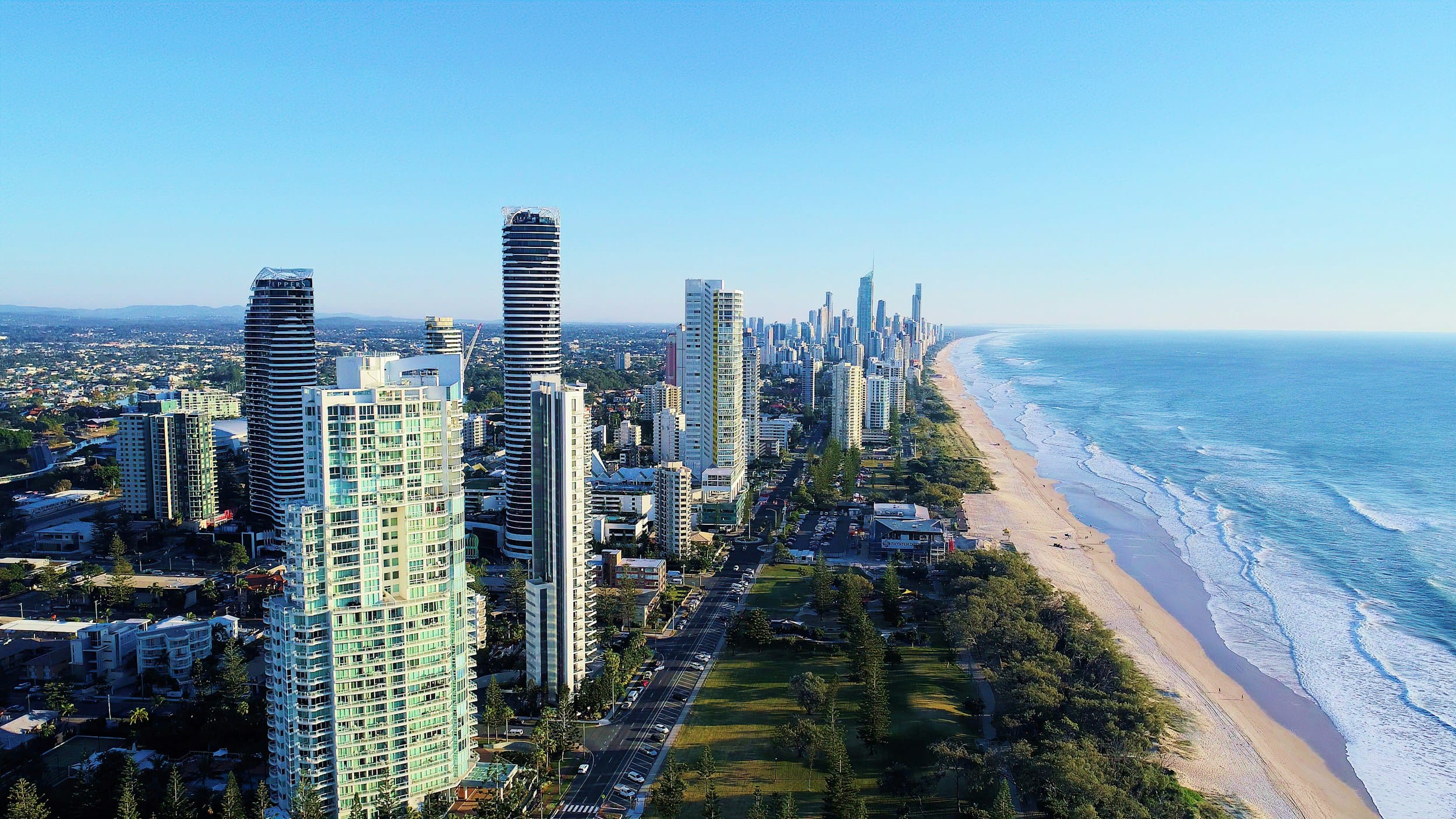
The Gold Coast runs on a close relationship between leisure-driven demand and financial discipline. Entertainment venues draw visitors, hospitality channels that demand into daily spending, and finance structures the flow of capital that sustains expansion. This interaction shapes employment, tax receipts, property values, and long-term planning. The city does not treat leisure as a side activity. It places it at the center of economic calculation.
Local authorities, lenders, and operators plan growth with clear expectations about visitor cycles, household income, and seasonal volatility. They treat entertainment as a measurable economic input rather than a cultural extra. This approach explains why the Gold Coast continues to attract capital tied to hotels, events, gaming floors, food services, and mixed-use precincts.
Entertainment as an economic driver
Entertainment on the Gold Coast generates predictable spending patterns. Events, nightlife, shows, and gaming venues pull short-term visitors who spend quickly and leave clear data trails. Operators track ticket sales, room nights, and transaction volumes with precision. Financial institutions rely on that data to assess risk and credit conditions.
Casino operations illustrate this link clearly. Gaming floors require high upfront capital, strict compliance, and constant cash management. These venues do not function without strong financial controls. They also push demand into nearby hotels, restaurants, and transport services. Each visitor dollar circulates through multiple layers of the local economy.
Entertainment also supports employment with varied skill levels. This mix stabilizes income flows across age groups and backgrounds. Payroll consistency matters to lenders and property investors, since it affects mortgage performance and rental demand.
The role of casinos in the wider system
Casino operations sit at a sensitive point where entertainment meets finance directly. They manage high cash volumes and operate under detailed supervision. This environment demands disciplined accounting and real-time monitoring.
Industry analysts sometimes reference platforms such as Playjonny when discussing digital engagement and player behavior trends. Such references remain analytical rather than promotional and focus on data signals rather than branding.
On the Gold Coast, casinos contribute to public revenue through taxes and licensing fees. Governments often allocate these funds to infrastructure, transport, and public services. That feedback loop strengthens the business case for continued regulation rather than restriction.
Casinos also affect visitor behavior. Guests tend to extend stays, dine on-site, and attend nearby events. Hospitality venues benefit from that clustering effect. Financial planners recognize this pattern and factor it into forecasts.
Hospitality as a financial stabilizer
Hospitality absorbs the immediate effects of visitor behavior. Hotels, serviced apartments, and food outlets respond first to shifts in tourism volume. They adjust pricing daily and manage margins tightly. That flexibility gives financiers clear signals about market health.
Hospitality operators on the Gold Coast tend to plan conservatively. They account for weather patterns, school holidays, and international travel changes. Banks and private investors value this cautious approach. It reduces exposure during slow periods and supports steady returns during peak seasons.
Accommodation assets also play a role in balance sheets. Long-term leases, occupancy averages, and forward bookings influence valuations. Hospitality performance feeds directly into refinancing terms and expansion decisions.
Key financial links inside the hospitality sector include:
- Short-term revenue cycles tied to event calendars
- Wage structures that respond to demand without long delays
- Asset values connected to location and access rather than brand identity
- Operating margins shaped by supply costs and staffing rules
This structure allows capital providers to model outcomes with reasonable accuracy.
Finance as the coordinating force
Finance connects entertainment and hospitality through credit, compliance, and investment strategy. Capital flows into venues, refurbishments, and precinct upgrades based on risk-adjusted expectations. Regulators enforce reporting standards that keep this system transparent.
Lenders assess cash turnover, not just headline visitor numbers. They focus on transaction speed, liquidity buffers, and cost control. Entertainment venues with gaming components face additional scrutiny. They must meet strict standards on reporting, anti-money controls, and consumer safeguards. This oversight reassures investors and supports broader confidence in the local market.
Private capital also plays a role through development funding. Mixed-use projects combine hotels, retail, and leisure spaces in single footprints. These projects spread risk across income streams. Finance teams structure them with phased funding to match construction milestones and leasing progress.
Property, capital, and urban form
Entertainment and hospitality influence property finance across the city. Developers favor sites near transport links and established venues. Lenders respond with tailored loan terms that reflect foot traffic and income stability.
Residential markets also feel the impact. Workers seek housing near employment hubs tied to tourism and leisure. That demand affects rental yields and construction pipelines. Financial institutions track these shifts closely to manage exposure.
A simplified view of financial links across sectors appears below:
| Sector | Primary income source | Financial focus |
| Entertainment | Ticketing, gaming spend | Cash flow control |
| Hospitality | Accommodation, food sales | Margin management |
| Property | Rents, asset appreciation | Long-term valuation |
This structure highlights how each sector supports the others without relying on abstract claims.
Regulation and risk control
Regulation shapes behavior across all three areas. Authorities enforce licensing, safety standards, and financial reporting. Operators respond with compliance teams and internal audits. This environment discourages speculative behavior and supports steady capital allocation.
Risk management plays a daily role. Entertainment venues plan for crowd control and security costs. Hospitality managers hedge supply prices and labor exposure. Finance teams monitor debt ratios and liquidity levels. Each function feeds into the next.
Clear rules also attract external capital. Investors prefer jurisdictions where enforcement remains consistent. The Gold Coast benefits from this perception, especially in areas linked to gaming and large-scale events.
Data, forecasting, and decision-making
Decision-makers rely on data rather than sentiment. Point-of-sale systems, booking platforms, and payment networks generate constant feedback. Finance professionals analyze this information to refine lending terms and investment timing.
Forecasting models factor in exchange rates, travel policies, and domestic income trends. Entertainment schedules adjust to these signals, while hospitality pricing reacts almost instantly. This responsiveness limits shocks and smooths revenue lines.
The use of data also supports workforce planning. Employers match staffing levels to projected demand, which stabilizes payroll costs. That stability feeds back into household spending and local credit conditions.
Long-term outlook
The intersection of entertainment, hospitality, and finance on the Gold Coast reflects deliberate planning rather than chance. Each sector understands its role in a shared economic system. Entertainment creates demand, hospitality converts that demand into daily revenue, and finance structures the capital that keeps both functioning.
This balance does not remove risk, yet it distributes it in manageable ways. Clear regulation, disciplined accounting, and data-driven decisions support resilience. As travel patterns change and consumer preferences shift, this integrated model gives the Gold Coast a practical framework for adjustment without relying on slogans or speculation.
The city’s experience shows that leisure-led economies can maintain financial rigor when participants treat entertainment as a serious economic activity. That mindset continues to shape investment choices and policy decisions across the region.