Food and entertainment now blend seamlessly into modern culture. What we eat influences what we watch, play, and experience daily. Streaming shows feature iconic dishes, while games incorporate food mechanics and social buzz. Even digital platforms, with their slot bonus offerings, sometimes draw inspiration from culinary trends, showing how pervasive this crossover has become.
Key Culinary Crossovers in Media
Food trends directly shape storytelling and audience engagement. Chefs become celebrities, recipes turn into plot devices, and dining aesthetics define visual media. This intersection affects films, series, games, and social content. Let’s look at some compelling data.
- Over 70% of Netflix viewers have tried cooking a dish after seeing it on screen
- Food and beverage product placements in films rose by 35% between 2020 and 2023
- 62% of gamers prefer titles with cooking or restaurant management mechanics
- Viral food challenges on TikTok generated over 14 billion views in 2022 alone
- Restaurant scenes in top-rated TV shows increased by 40% since 2018
Why Are Food Shows Dominating Streaming?
Streaming platforms invest heavily in food content. Viewers crave authenticity and comfort. Cooking competitions, documentaries, and culinary travelogues attract diverse audiences. These shows offer education, entertainment, and emotional connection. Food narratives provide universal relatability. Everyone eats, so everyone can engage. High production values elevate cooking into high drama. Tension, creativity, and cultural discovery keep audiences hooked.
Successful formats blend skill with storytelling. Chefs share personal journeys alongside recipes. This human element builds loyal fanbases. Global cuisine showcases expand viewer horizons. People explore new cultures from their sofas. Food shows make exotic destinations accessible. They also drive tourism and restaurant trends. Hit series instantly boost ingredient sales. Avocado demand spiked after repeated screen appearances. Such impacts reveal the power of edible storytelling.
How Gaming Menus Mimic Real-World Dining
Video games increasingly feature detailed cooking systems. Players simulate chef roles, manage virtual restaurants, or craft meals for buffs. These mechanics enhance immersion and strategy. Titles like Overcooked and Cooking Simulator prove immensely popular. Developers invest in realistic food graphics and physics. Gamers appreciate meticulous burger assemblies or soup simmering animations. Virtual cooking offers risk-free experimentation. Players try recipes they might avoid in reality. This safe space encourages culinary curiosity.
Some games partner with real brands. Pizza chains appear in storyline quests. Energy drinks provide in-game power-ups. These collaborations blur digital and physical dining. Social games host virtual food festivals. Players gather to cook and share meals online. These events foster community and cultural exchange. Gaming even influences real-world menu design. Thematic cafes based on game foods attract fans. Menus feature pixel-art desserts or fantasy-named cocktails. This crossover deepens player engagement beyond the screen.
Can Food Trends Drive Film Plots Forward?
Cinema uses food to reveal character and advance narrative. Memorable meals become iconic story moments. Think of the spaghetti in Lady and the Tramp or the feast in Harry Potter. Food sets tone, culture, and conflict. Directors carefully select dishes for symbolic meaning — a shared meal might show unity.
Audience cravings spike after cinematic food scenes. Ratatouille increased eggplant sales. The Danish Girl popularised smørrebrød. This influence extends to film merchandise. Studios partner with cookbook authors. They release official recipes from fictional worlds. Fans recreate movie meals at home, extending the film experience into their kitchens.
Social Media’s Bite-Sized Food Entertainment
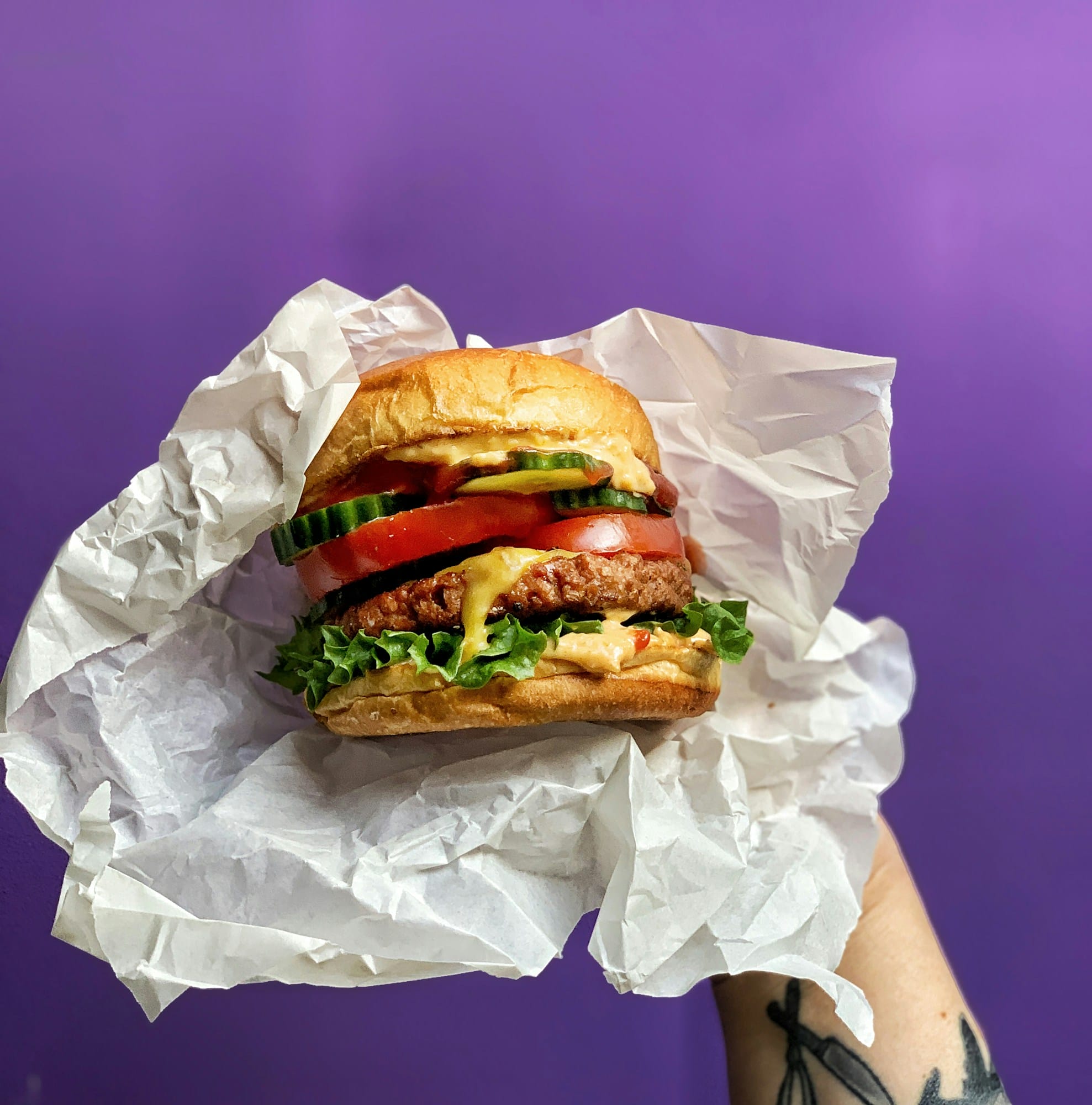
Instagram and TikTok revolutionised food presentation. Dishes must be photogenic and shareable. Rainbow bagels, cloud bread, and dalgona coffee became visual trends. These items gain popularity through aesthetics first, taste second. Food influencers build empires on viral recipes. They create tutorials, reviews, and mukbang videos. Followers seek entertainment and meal inspiration. Authenticity beats perfection in modern food content. Messy burgers and failed bakes often garner more engagement. This relatability strengthens creator-viewer bonds. Platforms algorithmically promote food challenges. These encourage participation and hashtag use.
Food and entertainment will continue merging into hybrid experiences. Virtual reality dining, AI-generated recipes, and interactive cooking streams emerge. These innovations make culinary culture more immersive and personalised. Audiences no longer just watch or eat—they participate. This synergy deepens our connection to food and story. It turns every meal into a potential scene and every recipe into a narrative. Embrace this blend; it feeds both body and imagination.