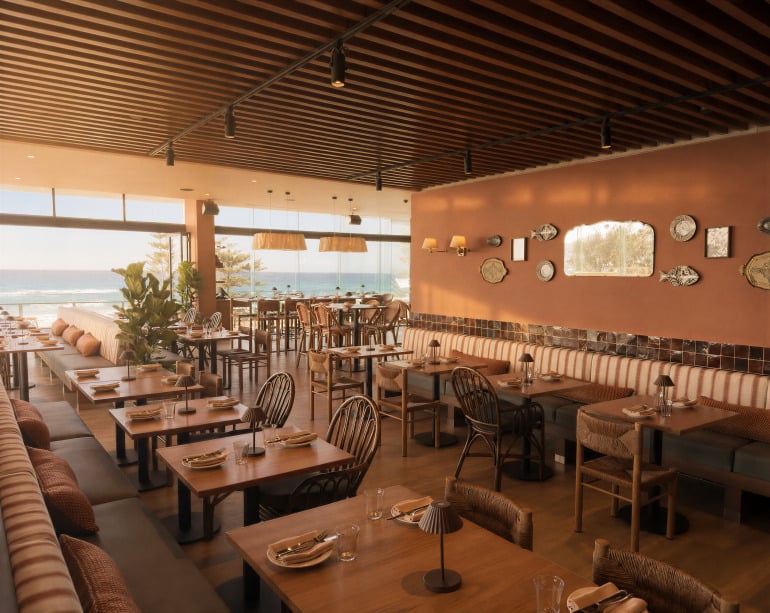
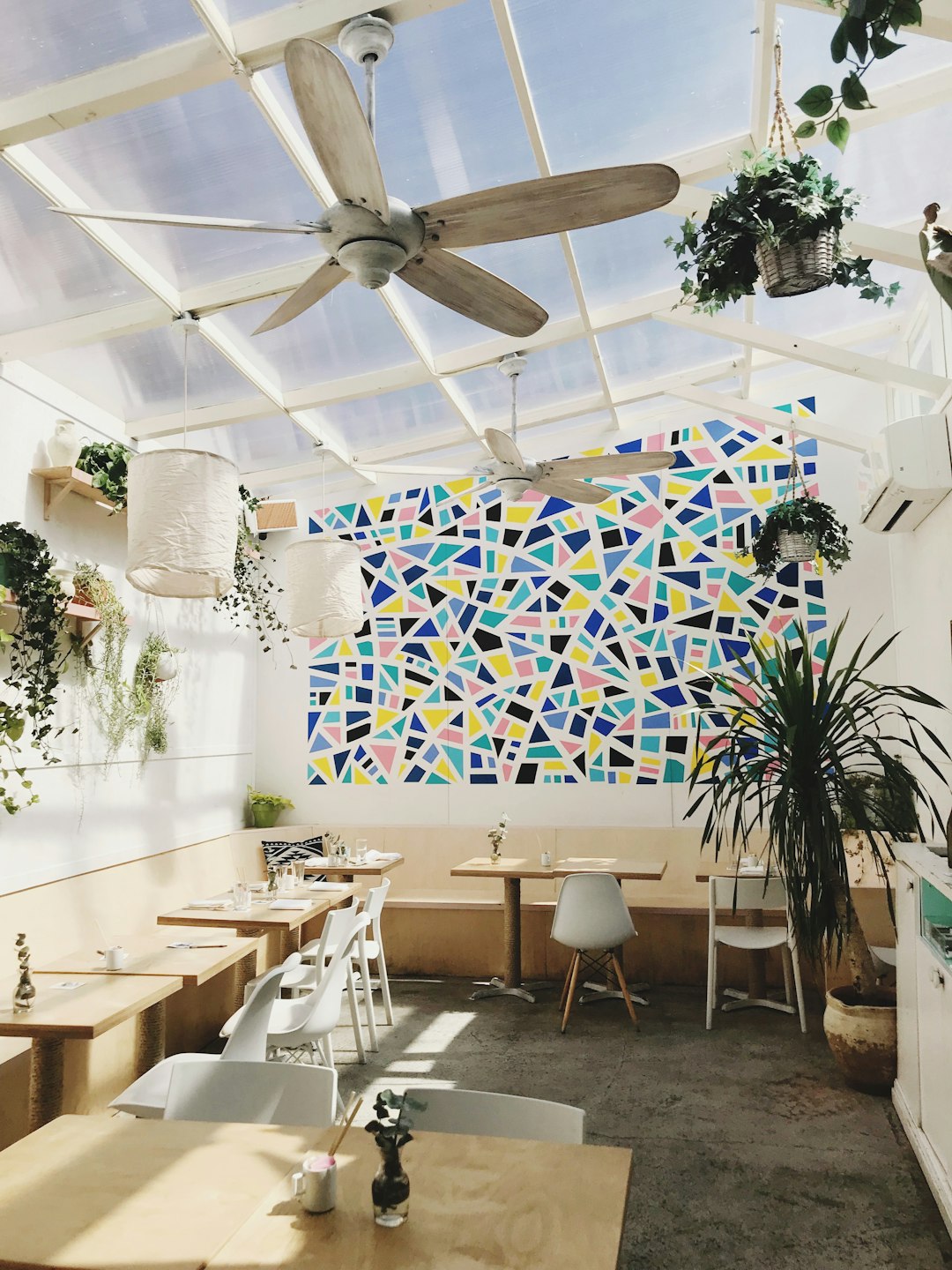
Step into a Gold Coast apartment at 3 pm and you will see what I mean. Sun bouncing off pale timber floors. Sheer curtains moving like they are part of the ocean breeze. Coastal cities demand interiors that feel open, relaxed, and a little bit sun kissed. Buyers expect it. They almost assume it.
I once walked into a beachfront listing that looked like a suburban display home. Heavy leather sofas. Dark rugs. Closed blinds. It felt wrong instantly. We opened the windows, shifted the layout, swapped in lighter textures. Same property. Totally different mood.
Interior styling in coastal markets is not about decoration. It is about emotional temperature. Does the space feel like a holiday or a chore. That question quietly shapes buyer decisions.
Buyers Want Lifestyle, Not Just Square Metres
Property appeal near the ocean has shifted in the last decade. People are not just buying bedrooms and bathrooms. They are buying morning swims, sunset drinks on the balcony, sandy feet on polished concrete. Styling has become the storytelling tool that makes this vision real.
Agents talk about first impressions all the time. Fair enough. But styling now goes deeper than a quick tidy up. It is strategic. I have seen campaigns where a simple shift to curated furniture packages Gold Coast investors often use helped a listing feel like a magazine spread instead of a rental. Enquiry levels jumped within days.
That is not magic. It is psychology. Buyers picture themselves living there. Good styling removes friction from that mental movie.
Texture Beats Trend Every Time
Here is my slightly controversial take. Coastal buyers do not care about trends as much as stylists think they do. They care about feel. Linen over velvet. Timber over chrome. Worn leather over plastic gloss. Texture wins.
The last time I worked on a staging project in Burleigh, we stripped out almost every trendy piece. No bold colours. No statement sculptures. Just layered neutrals and tactile finishes. One visitor actually ran her hand across a woven chair and said, “This feels like a beach house.” That property sold in under a week.
It proved something simple. Styling in coastal cities should whisper, not shout.
Open Plans Need Anchors
Modern coastal homes often feature huge open plan layouts. Great for airflow. Terrible for visual structure. Without thoughtful styling, these spaces can feel like furniture showrooms or empty warehouses. Neither helps property appeal.
Creating zones is the trick. A rug defines conversation space. A console table softens a transition. Artwork draws the eye toward natural light. Small decisions. Big impact.
Valuation professionals notice it too. I once sat in on a pre sale walk through with a team of Gold Coast property valuers who openly discussed how presentation influenced perceived liveability. They were not valuing cushions, of course. They were assessing how styling highlighted the home’s strengths. Subtle difference. Important one.
Outdoor Styling Is Half the Battle
Coastal living does not stop at the sliding door. Outdoor areas are emotional magnets for buyers. If the balcony feels like an afterthought, the entire property loses momentum.
I remember a listing with ocean views that were genuinely spectacular. Yet the balcony held a rusty chair and a lonely pot plant. We replaced them with a low lounge setting and a simple timber table. Suddenly people lingered outside during inspections. Conversations lasted longer. Offers followed.
Buyers need to feel how they will use a space. A styled outdoor zone turns a view into a lifestyle promise.
Personality Over Perfection
Here is something stylists do not always admit. Over styling can hurt property appeal. If every room looks staged to the point of stiffness, buyers struggle to connect. Homes should feel aspirational but still human.
A slightly crooked stack of books. A surfboard leaning casually near the entry. A throw blanket that looks like someone actually used it. These imperfections build trust. They suggest real life can happen here.
Coastal cities thrive on authenticity. Interior styling that embraces that spirit tends to outperform glossy but soulless setups. In markets like the Gold Coast, where lifestyle drives demand, presentation is not just visual. It is emotional. And when done right, it quietly turns curiosity into commitment.