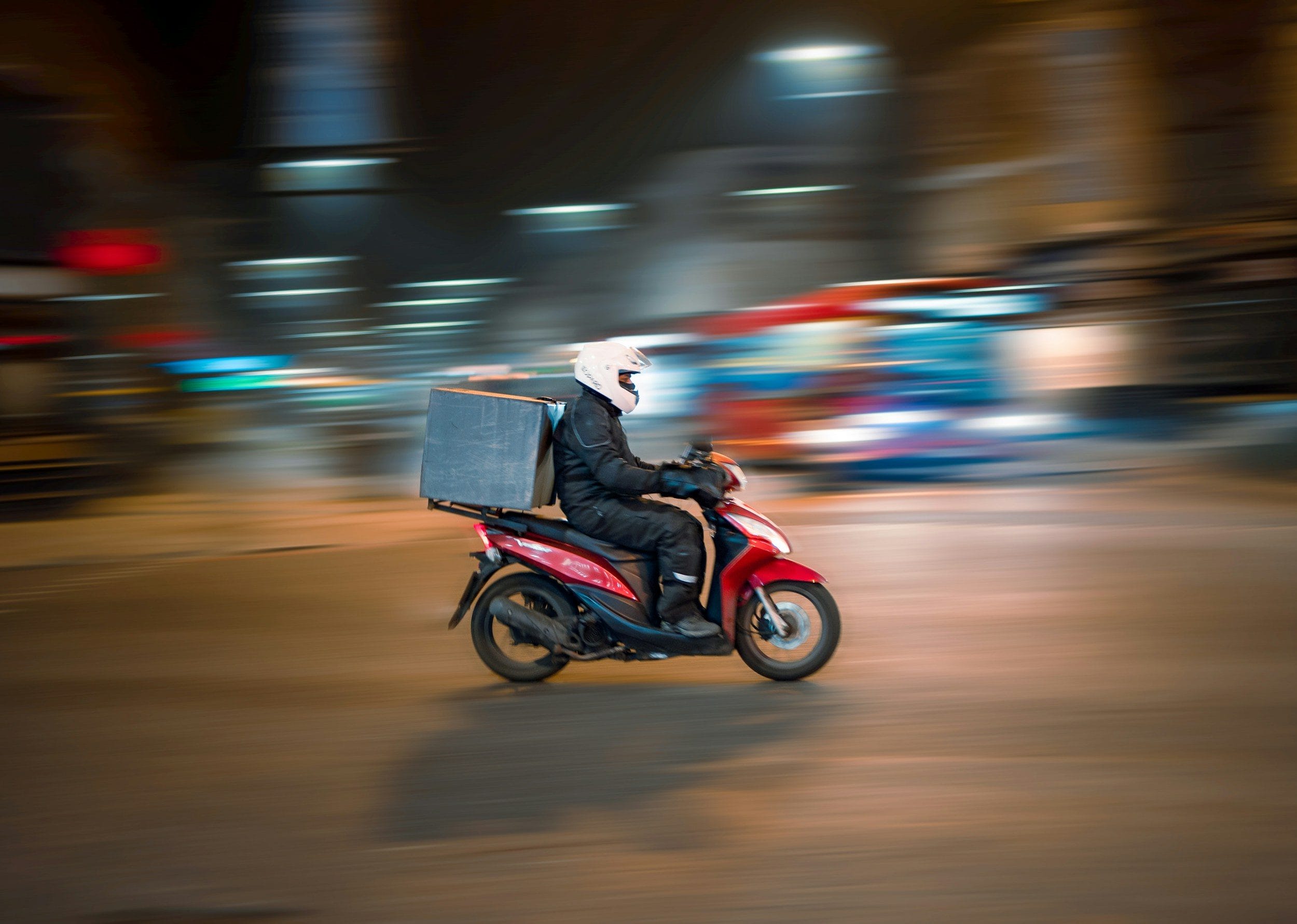
There was a time, not so long ago, when anticipation was considered an integral part of the pleasure of leisure. We waited weeks for a film to arrive at the local cinema, saved up for months to buy a desired luxury item, and accepted that ordering something by mail meant a wait of several weeks. On the Gold Coast, where the lifestyle has traditionally been defined by a laid-back, sun-soaked patience, the shift is perhaps even more palpable.
This profound shift in expectations has fundamentally altered how we structure our free time and manage our lifestyles. Whether it is the ability to stream a new album the second it drops globally or the capacity to have a gourmet meal delivered to our doorsteps within thirty minutes, the gap between desire and satisfaction has closed. This “culture of immediacy” is reshaping the very architecture of the entertainment, retail, and service industries that cater to us.
The old adage that “good things come to those who wait” is rapidly losing its currency in modern Australian society. Culturally, we are moving away from the stoic appreciation of delayed gratification toward a model that valorises speed and efficiency above all else. The dopamine hit associated with acquiring something new is no longer the climax of a long journey of saving and planning. Instead, it has become a frequent, almost trivialised, daily occurrence.
While younger Australians have grown up in an on-demand world, older generations are also adapting their behaviours, increasingly expecting the same seamless speed in their interactions. The friction of daily life, standing in queues, waiting for business hours, or mailing in forms, is increasingly viewed as an unacceptable imposition on our leisure time.
When patience is no longer viewed as a virtue but as an inefficiency, the rhythm of our leisure time accelerates. The “pause” has been eliminated from the consumer cycle, creating a lifestyle that is undeniably efficient but perhaps lacking in the reflective appreciation that comes with a slower pace.
The smartphone has effectively become the remote control for our lives. In the past, renting a movie required a trip to a video store; today, algorithms suggest content we didn’t even know we wanted, and it plays instantly. This technological removal of “friction” is the primary driver of the instant gratification economy.
The integration of digital wallets and one-tap payment systems has removed the psychological “pain of paying.” When a transaction is a mere fingerprint scan or facial recognition event, the barrier between impulse and action is removed. This technological seamlessness encourages a continuous flow of consumption, fuelling a cycle where we constantly seek the next quick upgrade to our lifestyle.
The modern user experience in entertainment and gaming is defined by fluidity. In the world of digital entertainment, users expect content to be instantly accessible and interactions to be real-time. This intolerance for delay has forced developers and platform operators to invest heavily in infrastructure that supports lightning-fast data transfer and processing.
This demand for immediacy is particularly evident in the iGaming sector, where platforms offering Australia’s instant payout casinos have surged in popularity by eliminating the frustration of waiting for winnings. By prioritising financial efficiency, these platforms align with the broader consumer expectation that digital transactions, whether incoming or outgoing, should be instantaneous.
The ease of spending money, coupled with the emotional rush of immediate acquisition, has led to a significant rise in “regret spending.” Recent banking data reveals that Australians are spending $13.5 billion on purchases they regret, highlighting the financial hangover that often follows the dopamine hit of instant gratification.
Ultimately, the challenge for the modern consumer is finding a balance between enjoying the efficiencies of the digital age and maintaining a sense of control. The data suggests that a pause for thought is still valuable. As we move forward into 2026, the most luxurious lifestyle choice might not be getting everything instantly, but rather having the discipline to slow down and choose exactly what is worth waiting for.