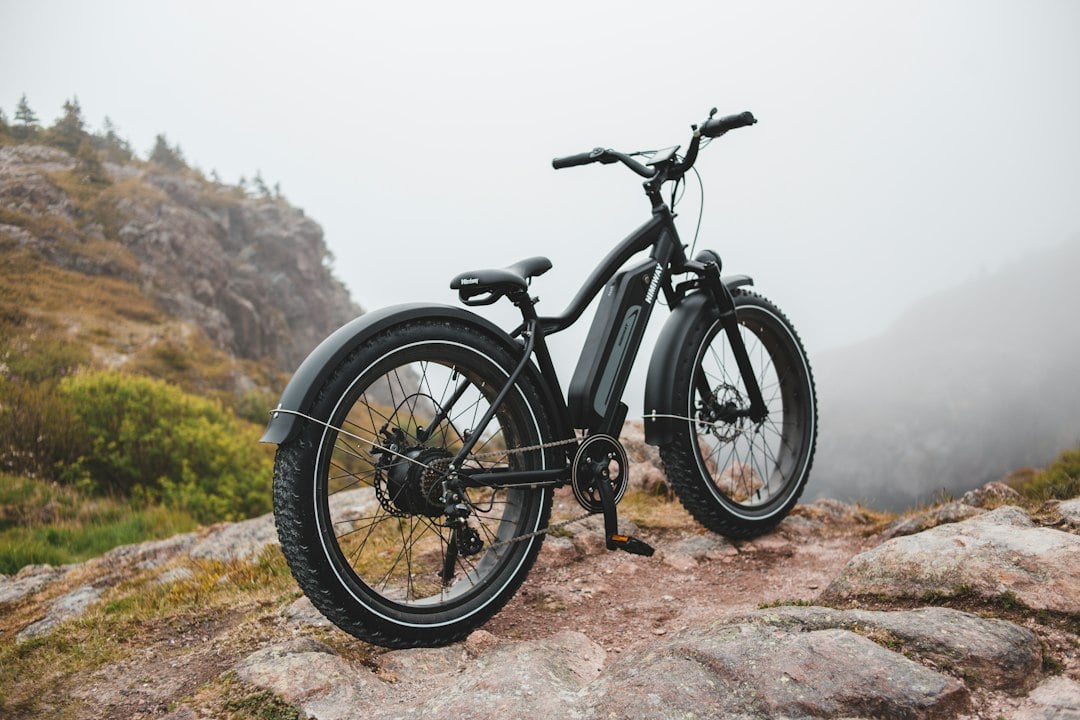
A Saturday ride can begin with a gravel climb, turn into a rocky descent and finish with a muddy push back to the car. An electric mountain bike makes the uphill sections less exhausting, but motor assistance cannot fix poor handling, unsuitable tyres or brakes that struggle on a descent. The right choice depends on the trails you genuinely ride, not dramatic terrain in a photograph.
When comparing an electric mountain bicycles, start with the places you plan to visit this year. Are they smooth forest roads, flowing singletrack or steep, root-filled trails? Bring those answers into conversations about suspension, battery size and price. A bike that feels lively on a green trail may be tiring to manage on a technical black run.
Start with the Trail, Not the Specification Sheet
Australia’s mountain-bike grades offer a useful reality check. Green trails suit beginners who can manage gentle gradients and small obstacles; blue trails introduce tighter turns, variable surfaces and steeper sections. Black trails demand stronger skills. AusCycling’s difficulty system considers features and exposure, not simply how fit a rider feels. Electric assistance can reduce effort on climbs; it does not make a slippery rock garden easier to negotiate.
Find your nearest trails before choosing a bike. The Silvan area of Dandenong Ranges National Park, for example, has about 13 km of dedicated mountain-bike trails alongside management tracks. Study the route, its climbing, and whether there is a safe alternative if conditions deteriorate. Trail conditions can change significantly after a single storm.
Check Where Electric Assistance Is Allowed
Do not assume every walking track, fire trail or mountain-bike park welcomes every e-bike. NSW National Parks treats pedal-assisted cycles meeting road rules as bicycles under its cycling policy, but access still depends on the particular road or signed track. Many areas follow a practical ‘no sign, no ride’ approach. Parks Victoria also requires riders to stay on designated trails and respect closures.
Check the bike’s legal category. In Victoria, an electrically power-assisted cycle has a maximum continuous rated motor output of 250 watts, and assistance stops at 25 km/h. Rules vary across Australian states and territories. A machine marketed as ‘off-road’ is not automatically permitted on public shared paths or managed mountain-bike trails.
Decide Between a Hardtail and Full Suspension
A hardtail has front suspension and a rigid rear triangle. It generally offers simpler maintenance and fewer suspension parts to adjust. For gravel paths, smoother singletrack and relaxed weekend loops, it may be all you need. Full suspension adds rear shock absorption, helping wheels stay planted over rough ground and repeated bumps, though it adds weight, cost and servicing.
Suspension travel is not a competition. A fork around 100–120 mm may suit less aggressive outings; a 140–160 mm setup points towards rougher trail riding. These are useful comparison ranges, not fixed rules. Setup matters more than chasing the longest travel. Ask how the suspension adjusts for your weight, including the gear you carry.
Read Motor Torque and Battery Figures Separately
Motor power and torque describe different things. Torque, measured in newton-metres (Nm), affects how the assistance feels on steep, slow climbs. Compare, for example, motors rated at 50 Nm and 85 Nm, but test their response to pedal input. A jerky surge on loose gravel may be less helpful than predictable assistance.
Battery capacity is quoted in watt-hours (Wh). A 625 Wh battery, used at an illustrative average of 15 Wh per kilometre, gives about 42 km before allowing any reserve. Real mountain-bike consumption varies enormously with elevation gain, terrain, assistance level and rider mass. A steep 25 km outing may demand more energy than a flatter 40 km ride.
Check whether the display estimates remaining range and whether the battery can be removed for charging. Plan to finish with a margin when the final section climbs back to the trailhead.
Fit Matters More Than Wheel Size Trends
A 29-inch wheel generally rolls over small obstacles smoothly; a 27.5-inch wheel can feel easier to manoeuvre for some riders. Neither guarantees better handling. Frame reach, wheelbase, handlebar width and your own height determine much of the riding experience.
Check standover clearance and whether you can shift your weight behind the saddle on descents. A dropper seatpost, which lowers the saddle using a handlebar control, can make that movement easier. Try the bike standing and seated, wearing the shoes you use for riding. If the front wheel feels difficult to steer through a slow corner, reconsider the frame size rather than hoping to adapt.
Choose Brakes and Tyres for Downhill Control
An e-mountain bike carries a motor and battery, so braking performance deserves careful attention. Hydraulic disc brakes offer controlled stopping on long descents. Rotor sizes such as 180 mm and 203 mm are worth comparing, although suitability depends on the bike’s design and manufacturer limits. Brake feel matters: you should reach both levers without stretching your fingers.
Tyres are another practical decision. Tread suited to dry hardpack may struggle in loose soil or wet roots. Widths around 2.3–2.6 inches are common comparison points, but check frame clearance. Tubeless-ready wheels may help reduce pinch flats when set up correctly; take a repair kit regardless.
Think About Weight, Transport and Charging
A 27 kg bike feels different from a 22 kg bike when you lift it onto a rack or push it over a fallen tree. Check the rack’s bike and wheelbase limits, especially if transporting two e-bikes. Confirm that the car’s towball and carrier ratings cover the combined load.
Before every ride, inspect tyres, axles, brakes and the battery mount. After a hard impact, check the battery casing for dents or cracks. Fire and Rescue NSW recommends using a compatible approved charger, charging away from exits and flammable materials, and never charging while asleep or away from home.
Test the Bike on a Realistic Weekend Route
A car-park spin cannot reveal much about climbing traction or rough-ground control. Test on a route similar to your usual trails, ideally with a sustained climb, a slow switchback and a moderate descent. Notice whether the motor responds naturally, whether the brakes inspire confidence and whether the bike remains manageable when assistance is switched off.
Finally, price the ownership rather than just the purchase. Include pads, tyres, drivetrain wear, suspension servicing and eventual battery replacement. Check whether a local workshop can obtain parts for the motor and battery system. The best weekend bike is one you can control confidently on Saturday, maintain without drama on Monday and still enjoy after the novelty of electric assistance has worn off.
References
1. AusCycling — Australian Trail Difficulty Rating System Revised
2. Parks Victoria — Mountain Bike Trails in Dandenong Ranges National Park
3. NSW Government — Cycling Policy for National Parks
4. Transport Victoria — Electric Bikes: Rules and Safety Requirements