Lifting heavy loads is essential in construction, yet it remains one of the most dangerous tasks on-site. In 2026, safety isn’t just a rulebook; it’s a culture where everyone, from crane operators to ground crews, looks out for each other. True safety starts before the crane even moves. It requires deep respect for the machinery and listening to the people who use it daily. Just as community projects thrive on shared wisdom, a safe lift succeeds when the whole crew works together. Here is how the world’s safest sites manage their operations.
Focus on a Clear Lift Plan
The most important part of a lift happens while the hook is still on the ground. Safe operations rely on a “Lift Plan” for every task, regardless of size. A solid plan accounts for the weight of the load, wind speeds, and nearby hazards like power lines. Rushing without a plan leads to guesswork, which is often when accidents occur.
A “toolbox talk” before every shift is an effective way to stay safe. In these short meetings, the crew walks through the lift plan together to ensure everyone knows their specific role and where to stand. By discussing the task out loud, workers can spot small hazards that might otherwise go unnoticed. This habit transforms safety into a shared team effort.
Inspect Your Gear Every Morning
Even the best machines can fail if they are not properly maintained. Many accidents stem from small signs of wear and tear that were overlooked. A frayed rope or a leaky hose may seem minor, but these issues can lead to a total equipment collapse. High-standard worksites follow a “no-compromise” rule: if a piece of gear looks worn, it is replaced immediately.
Technicians should inspect the crane, slings, and hooks at the start of every shift. Using a digital checklist on a phone or tablet helps keep these safety records organised. Catching a small crack or a rusty link today prevents a potential disaster tomorrow. A few minutes of checking is always more cost-effective than dealing with a broken machine or a site accident.
Use Proper Ground Support
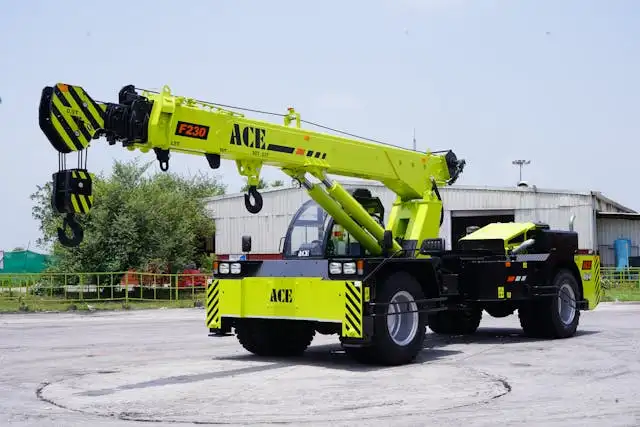
One of the biggest risks in lifting is a crane tipping over. Ground stability is often overlooked. It doesn’t matter how strong your crane is if the ground underneath it is too soft. This is why using crane outriggers correctly is so vital. Crane outriggers are the “legs” that spread the weight of the machine so it stays balanced.
The safest teams always use large, solid pads under their crane outriggers to keep them from sinking. You should never assume the ground is hard enough just by looking at it. By fully extending your crane outriggers and making sure they are level, you create a solid foundation. This simple check is the difference between a successful lift and a dangerous tip-over.
Keep Communication Simple and Clear
When a load is high in the air, the operator often cannot see where it needs to land. This is when communication becomes your most important safety tool. We investigated the best methods and found that “clear and short” is the best way to talk. Whether you use hand signals or radios, there should be no confusion.
You can have one dedicated “signaller” who is the only person the operator listens to. This stops the operator from getting mixed messages from too many people. Using modern headsets that cancel out loud engine noise also helps the team talk clearly without shouting. When everyone is on the same page, the load moves smoothly and safely.
Give Everyone the Power to Stop
The most powerful safety tool is giving every worker the “right to stop.” Historically, employees may have been hesitant to speak up for fear of slowing down a project. In 2026, leading companies actively encourage staff to shout “Stop!” the moment they identify a potential hazard.
When workers know their input is valued, they remain much more alert to their surroundings. Whether the wind picks up or a lifting rope appears frayed, any team member can pause operations to ensure safety. This approach does not waste time; instead, it prevents the massive delays and costs associated with accidents.
Create a Safer Workplace Today
Lifting doesn’t have to be high-stress. By focusing on smart planning, daily checks, and the correct use of crane outriggers, you can make safety a natural part of your day. Remember, the goal is to work smarter, not just harder. When you value your team and your equipment, safety and success always go hand in hand.