
Construction and industrial sites are busy, loud, and constantly changing. One day it’s groundwork, the next it’s steel, machinery, and heavy lifting. With so many moving parts, safety can never be treated as an afterthought. Strong safety standards protect workers, reduce downtime, and help projects run smoothly. Most importantly, they make sure everyone goes home in one piece at the end of the day. When people know what they’re doing, have the right tools, and trust the environment around them, mistakes drop and confidence rises. Let’s look at practical, realistic ways to improve safety on construction and industrial sites.
Start with planning, not panic
Good safety begins long before the first machine arrives on site. Every project should start with a clear safety plan that matches the work being done. That means identifying risks early and inspecting everything from unstable ground, working at height, vehicle traffic, heavy lifting, or confined spaces. If you identify risks upfront, teams can put controls in place instead of reacting to accidents later. This includes defining safe access routes, emergency exits, loading zones, and exclusion areas. Planning also helps supervisors schedule high-risk tasks properly, avoiding rushed work that often leads to injuries.
Train people for real situations
Safety training should feel relevant, not theoretical. Workers don’t benefit from long lectures filled with rules they’ll forget by lunchtime. No, what they need is practical, job-specific training that reflects what they actually do every day. Short, regular toolbox talks are far more effective than one-off sessions. Hence, before a new task starts, take five minutes to explain the risks and the safe way to do the job. Encourage questions and real input from the crew since they often see hazards that managers miss.
Use the right protective tools
Protective equipment is one of the most visible parts of site safety, but it’s also one of the most misunderstood. Hard hats, gloves, boots, eye protection, and high-visibility clothing are basic requirements, but they only work if they’re suitable for the task and actually used.
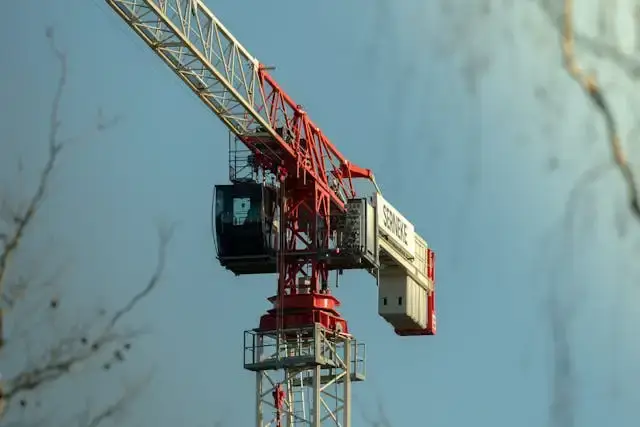
Beyond personal protective equipment, sites also need proper safety tools and ground protection. For example, when operating cranes or heavy lifting equipment, using quality crane pads for safety is essential. Crane pads help spread the load, improve stability, and reduce the risk of ground failure. Also, safety equipment should be easy to access, well-maintained, and replaced when worn out. If workers have to search for gear or use damaged tools, safety can quickly break down.
Keep the site clean and organised
A messy site is a dangerous site. Loose cables, scattered materials, uneven surfaces, and waste piles create trip hazards and block safe movement. Poor housekeeping is one of the most common causes of injuries, and usually one of the easiest problems to fix. Therefore, set clear rules for material storage, waste disposal, and tool management. Make cleanup part of the daily routine, not something left until the end of the project. Clear walkways, tidy work zones, and well-marked storage areas reduce accidents and make work more efficient.
Control movement around the premises
Construction and industrial sites often involve trucks, forklifts, cranes, and other heavy machines operating close to people on foot. Without clear controls, this becomes extremely risky. For that matter, it would be smart to use barriers, signs, and designated walkways to separate workers from moving equipment. Make sure operators have clear lines of sight and that spotters are used when visibility is limited. Simple rules like speed limits and one-way systems can dramatically reduce the risk of collisions.
Encourage safety communication
Believe it or not, but one of the strongest safety tools on any site is open communication. Workers should feel comfortable reporting hazards, near misses, or unsafe behaviour without fear of blame or punishment. What you should do is create a culture where safety concerns are taken seriously and acted on quickly. Of course, opt to thank people for raising issues instead of ignoring them. Small problems, if caught early, can prevent serious accidents later. Bear in mind that communication is the essence of any workspace, and when teams feel heard, they will surely take more responsibility for their own safety and the safety of others.
Learn from mistakes
Even on well-run sites, things don’t always go as planned and near misses may occur. Here, what matters is how teams respond. Every incident or near miss should be seen as a learning opportunity, not just a problem to move past. Another great way to improve safety standards on construction or industrial sites is to review what happened, identify the root cause, and adjust procedures if needed. Share lessons learned with the whole team so the same mistake isn’t repeated elsewhere on site.
Safety all day, every day
In the end, improving safety standards on construction and industrial sites mustn’t be about ticking boxes or following trends on a daily basis. On the contrary, it has to be about consistent habits, practical tools, and respect for the risks involved. If safety becomes part of everyday work, not a separate task, sites will become calmer, more productive, and far less dangerous.