
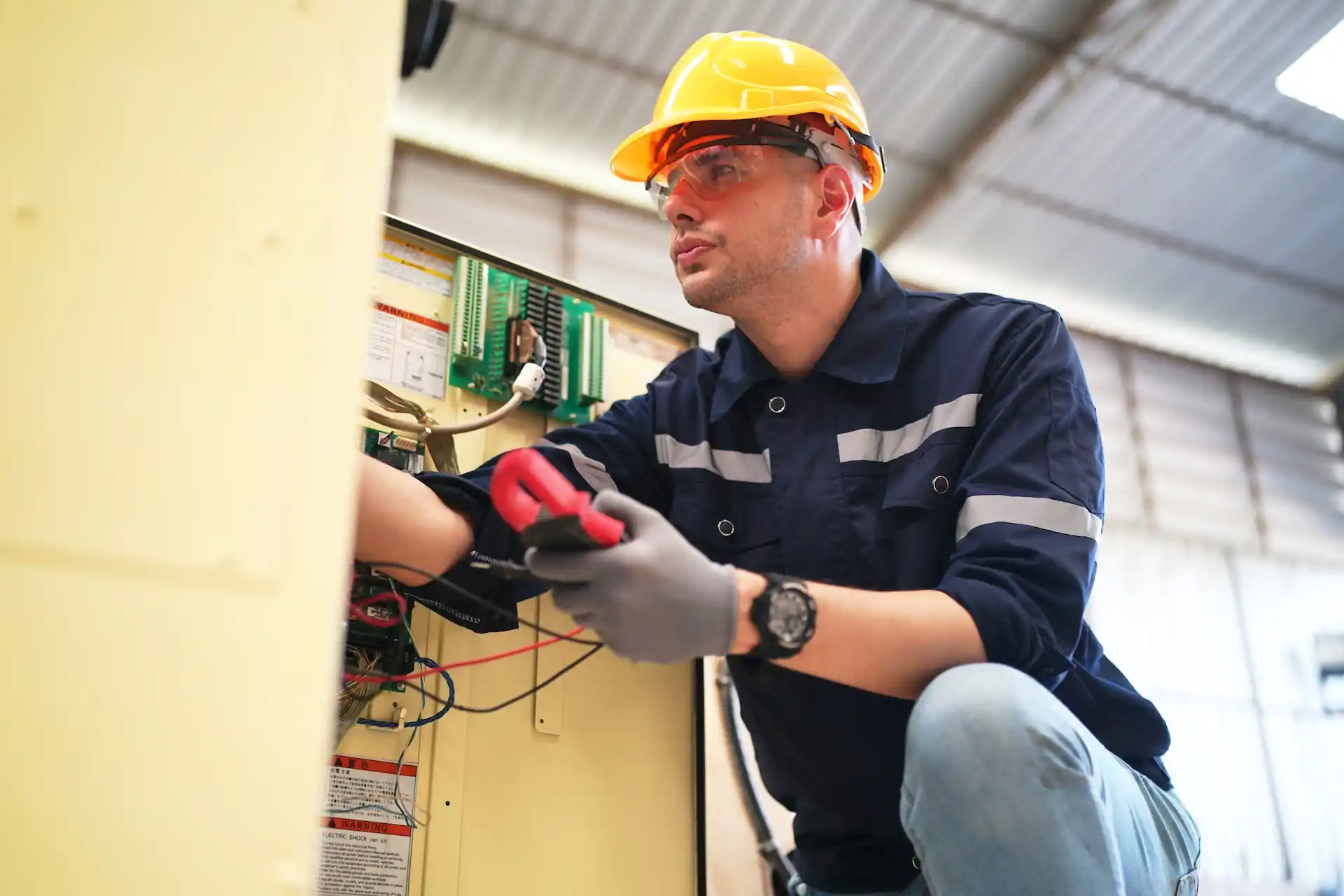
When something electrical needs fixing at home or work, it can be tempting to call a handyman. They are often quick to book, seem cost-effective, and can handle a wide range of small jobs. But when it comes to electrical work, the difference between a local licensed electrician and a handyman is not just paperwork. It directly affects safety, legality, insurance, and long-term reliability.
If you are weighing up whether to hire an electrician or a handyman, knowing where the line is drawn can help you avoid serious problems later.
What Defines a Licensed Electrician?
A licensed electrician has completed formal training, apprenticeships, and certification required by law to carry out electrical work. This training covers electrical theory, fault diagnosis, safety standards, and local regulations.
In Australia, electricians must hold a valid licence to legally perform most electrical tasks. This includes installing power points, wiring lighting circuits, working on switchboards, and repairing fixed electrical systems. Licences also require ongoing compliance with safety standards and regular updates to knowledge.
A handyman, by contrast, does not hold these electrical licences. While many handymen are skilled in general maintenance, they are not legally permitted to carry out most electrical work.
Legal Requirements and Compliance
One of the biggest reasons it matters who you hire is the law. Electrical work is regulated because mistakes can cause fires, electric shocks, or fatalities.
In places like Perth, electrical regulations clearly outline what work must be done by a licensed electrician. Tasks such as replacing light fittings, installing new circuits, or repairing wiring behind walls fall squarely into this category.
If unlicensed electrical work is discovered, homeowners can face fines, insurance issues, or difficulties when selling the property. Even if the work appears minor, legality still applies.
Safety Is the Biggest Difference
Electricity is unforgiving. Small errors can have serious consequences.
Licensed electricians are trained to assess load requirements, earthing, insulation, and fault protection. They test their work and verify that it meets safety standards. This reduces the risk of overheating, short circuits, or hidden faults that could develop over time.
Handymen may be capable of basic tasks, but without formal electrical training, they may not recognise underlying issues. A job that looks finished on the surface could hide unsafe wiring or overloaded circuits.
Insurance and Liability Concerns
Insurance is another area where the difference really matters. Most home and business insurance policies require that electrical work be completed by a licensed electrician.
If a fire or electrical fault occurs and it is traced back to unlicensed work, insurers may reject the claim. This can leave homeowners facing repair costs, property damage, or liability issues on their own.
Allowing a handyman to carry out electrical work, even with good intentions, can create serious financial risk if something goes wrong later.
Quality and Longevity of the Work
Licensed electricians do not just make things work. They make sure they work correctly and safely over time.
An electrician considers factors like circuit capacity, voltage drop, heat buildup, and future usage. This leads to installations that last longer and perform reliably under real-world conditions.
Handyman electrical fixes often focus on restoring function quickly. While this may solve the immediate problem, it can shorten the lifespan of components or create repeat faults.
What Electrical Work Can a Handyman Do?
This is where confusion often arises. Handymen are usually limited to non-electrical tasks such as replacing light globes, installing battery-powered devices, or assembling fixtures that plug into existing outlets.
Once wiring, fixed connections, or electrical circuits are involved, the work generally requires a licensed electrician. Even swapping out a power point or hardwired light fitting usually falls under regulated electrical work.
If a handyman offers to handle these tasks, it is worth questioning whether the work is being done legally.
When Hiring a Licensed Electrician Is Essential
There are many situations where using a licensed electrician is not optional. These include:
- Installing or replacing power points and switches
- Wiring lighting, appliances, or outdoor electrical systems
- Switchboard upgrades and safety switch installation
- Fault finding for power outages or tripping circuits
- Electrical work during renovations or new builds
In these cases, cutting corners can create long-term safety and compliance issues.
Cost Differences and False Savings
One reason people choose handymen is cost. Hourly rates may be lower, and the job may seem simple.
However, the savings are often short-lived. Incorrect electrical work can lead to repeat repairs, damaged appliances, or more serious faults that require expensive fixes later. In the worst cases, safety incidents or insurance claim denials can far outweigh any initial savings.
Hiring a licensed electrician upfront is often the more cost-effective choice over the life of the installation.
Peace of Mind and Accountability
Licensed electricians stand behind their work. They provide compliance certificates where required and are accountable to regulatory bodies.
This accountability offers peace of mind. If something goes wrong, there is a clear path for follow-up and resolution. With unlicensed work, that protection simply does not exist.
Final Thoughts on Choosing the Right Professional
The difference between a licensed electrician and a handyman is not about skill alone. It is about safety, legality, and long-term protection for your property and the people in it.
While handymen have their place for general maintenance, electrical work is an area where professional licensing truly matters. When electricity is involved, choosing a licensed electrician is not just the safer option. It is the right one.