
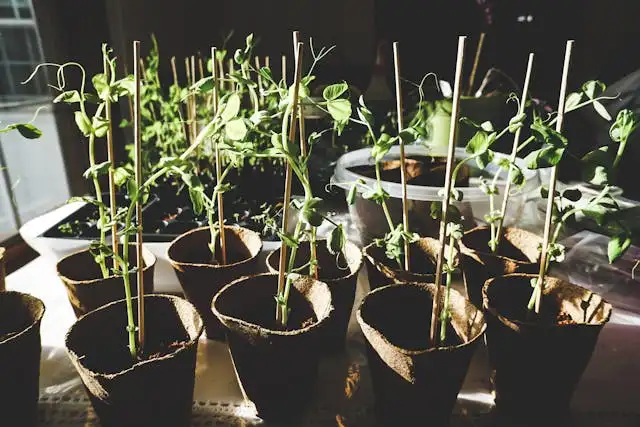
Living in a smaller home no longer means giving up on gardening. With balconies, courtyards, rooftops, and even sunny walls, modern gardening techniques are helping people grow fresh food in places that once felt unusable. Compact living has changed how we think about green spaces, encouraging more creative, flexible, and space-efficient solutions that fit urban lifestyles.
Instead of relying on traditional garden beds, today’s gardeners are looking upward. By making better use of walls and vertical surfaces, even the smallest homes can support healthy, productive gardens that feel both practical and visually appealing.
Why Compact Living Has Changed Gardening
As cities grow and homes become smaller, outdoor space is often limited or non-existent. Apartments and townhouses may only offer a balcony, a narrow courtyard, or a small paved area. This shift has pushed gardening away from size-dependent solutions and toward smarter design.
Modern gardening focuses on efficiency and adaptability. Rather than spreading plants across the ground, gardeners now use vertical structures to create productive growing zones without sacrificing valuable space. This makes gardening accessible to more people, regardless of where they live.
How Vertical Gardens Fit Modern Lifestyles
Modern gardening isn’t just about producing food. It’s about fitting into everyday routines. Many people want the benefits of gardening without spending hours on maintenance or managing complex setups.
Vertical gardens suit busy lifestyles because they are simple to maintain and easy to customise. Modular systems allow gardeners to start small and expand over time, making the process approachable for beginners and satisfying for experienced growers. They also work well in a variety of environments, from sunny balconies to semi-shaded courtyards and even indoor spaces near windows. This flexibility is what makes vertical gardening so compatible with compact living.
The Rise of Vertical Gardening in Urban Homes
Vertical gardening has quickly become one of the most popular techniques for compact living. By stacking plants upward instead of outward, this approach allows people to grow vegetables in areas that would otherwise be unused.
A vertical vegetable garden for small spaces is especially appealing because it blends practicality with modern design. These systems fit naturally into balconies, patios, and small yards while still producing fresh, home-grown food. Growing vertically also improves airflow, helps manage pests, and keeps plants at a comfortable height. This makes daily care and harvesting easier, particularly for people who want convenience without compromising results.
What Grows Well in Vertical Systems
Despite their size, vertical gardens can be surprisingly productive. Leafy greens grow exceptionally well and can be harvested regularly for fresh meals. Herbs thrive in vertical setups, providing constant access to flavours that elevate everyday cooking.
Fruiting plants like cherry tomatoes, chillies, and strawberries also adapt well when given enough light and support. With thoughtful plant selection and seasonal rotation, a vertical garden can remain productive for most of the year.
When Gardening Becomes Part of Interior and Exterior Design
One of the biggest advantages of modern vertical gardening is its visual appeal. Today’s systems are designed to complement contemporary homes rather than appear purely functional. Clean lines, neutral tones, and modular layouts transform gardens into living design features.
In compact homes where every detail matters, vertical gardens add warmth and texture without overwhelming the space. They become an extension of the home’s style while still serving a practical purpose.
Choosing the Right Setup for Your Space
Selecting the right system depends on available sunlight, wall or floor space, and how much involvement you want in maintenance. Some gardeners prefer systems with built-in irrigation, while others enjoy managing watering and nutrients themselves.
Exploring purpose-built solutions makes it easier to visualise how a vertical vegetable garden for small spaces and apartments can integrate seamlessly into your home. Many systems are designed to be flexible, allowing you to rearrange or expand as your needs change.
Sustainability and Smart Urban Living
Modern gardening techniques are closely tied to sustainability. Vertical gardens often use water more efficiently and reduce waste compared to traditional setups. Growing your own vegetables also means fewer packaged goods and less reliance on long supply chains.
In urban environments, vertical greenery can help improve air quality and reduce heat around walls and balconies. It’s a simple way to support healthier living in densely populated areas.
Low-Maintenance Gardening for Everyday Life
Vertical gardening removes many of the common barriers that stop people from starting a garden. Elevated plants are easier to care for, weeds are less common, and issues can be spotted quickly.
Because everything is within reach, watering and harvesting become easy daily habits rather than chores. This makes vertical gardening especially attractive for beginners or anyone with limited time.