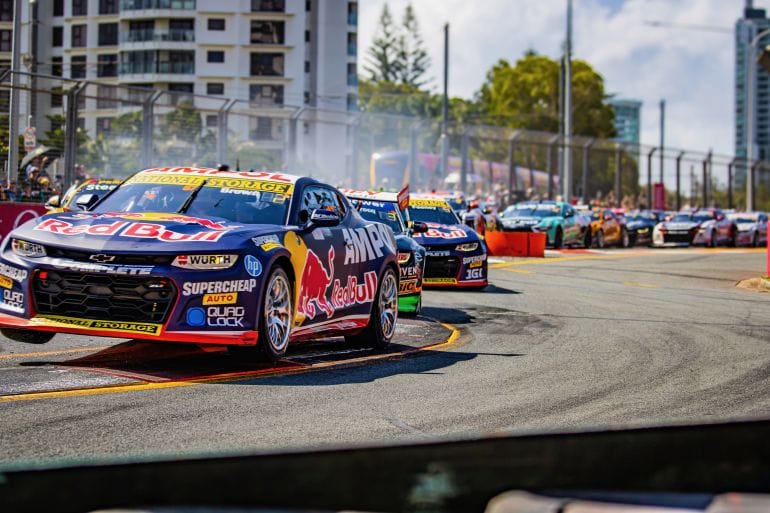
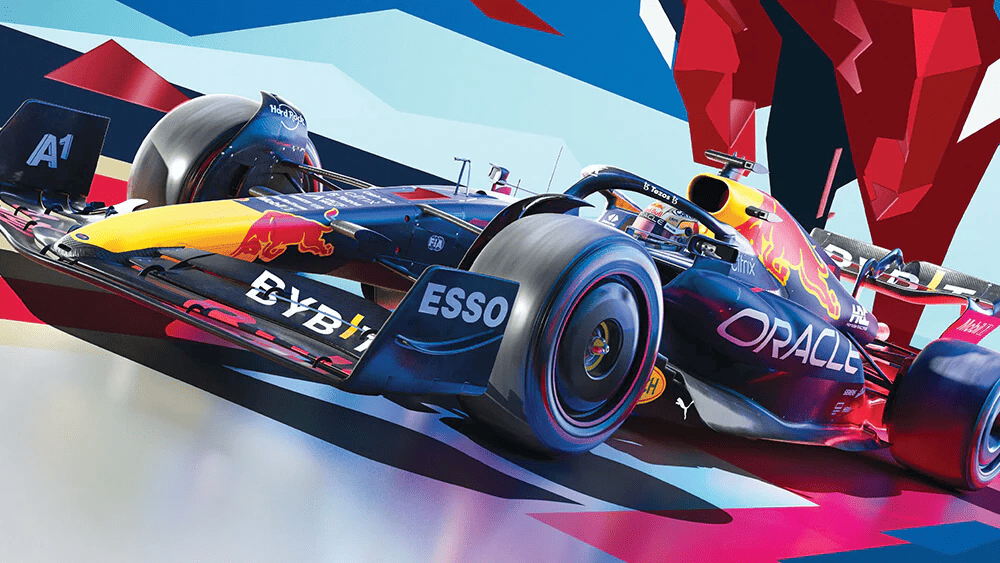
The global motorsport industry reflects an intersection of engineering, precision, and strategic innovation. Within this ecosystem, Red Bull Racing and its Australian counterpart, Red Bull Ampol Racing, represent two of the most visible examples of how modern teams blend technology, media influence, and performance analytics. Through the careers of prominent drivers such as Scott Pye and Rubens Barrichello, the evolution of competition, training, and cultural engagement in motorsport becomes apparent.
The Global Identity of Red Bull Racing
Red Bull’s involvement in motorsport began as an exercise in brand expansion but evolved into a comprehensive commitment to engineering and performance culture. Red Bull Racing F1, established in 2005, has since become a central figure in Formula 1’s competitive narrative. The team’s emphasis on aerodynamics, hybrid technology, and human-machine integration demonstrates how corporate investment can redefine technological boundaries in sport.
Across different continents, the Red Bull identity adapts to local contexts. In Australia, Red Bull Ampol Racing illustrates how a globally recognized team can integrate into domestic racing traditions. The brand’s approach highlights a balance between international prestige and national representation, shaping a unified but context-sensitive performance philosophy.
Red Bull Ampol Racing — The Australian Perspective
Red Bull Ampol Racing serves as a cornerstone of Australia’s Supercars Championship. Known for its technical precision and long-term development approach, the team combines traditional engineering with contemporary data analysis. Collaboration between Red Bull and Ampol — a major Australian energy company — represents an alignment of performance-driven objectives and national industry support.
Over time, Red Bull Ampol Racing has refined its vehicle design and pit strategies through telemetry, aerodynamics testing, and collaborative innovation. The team’s adaptability to evolving regulations and competitive pressures underscores the dynamic nature of professional motorsport in Australia. Its role extends beyond competition, contributing to the broader technical and commercial structure of the Supercars ecosystem.
Scott Pye — A Driver’s Journey Through Performance and Precision
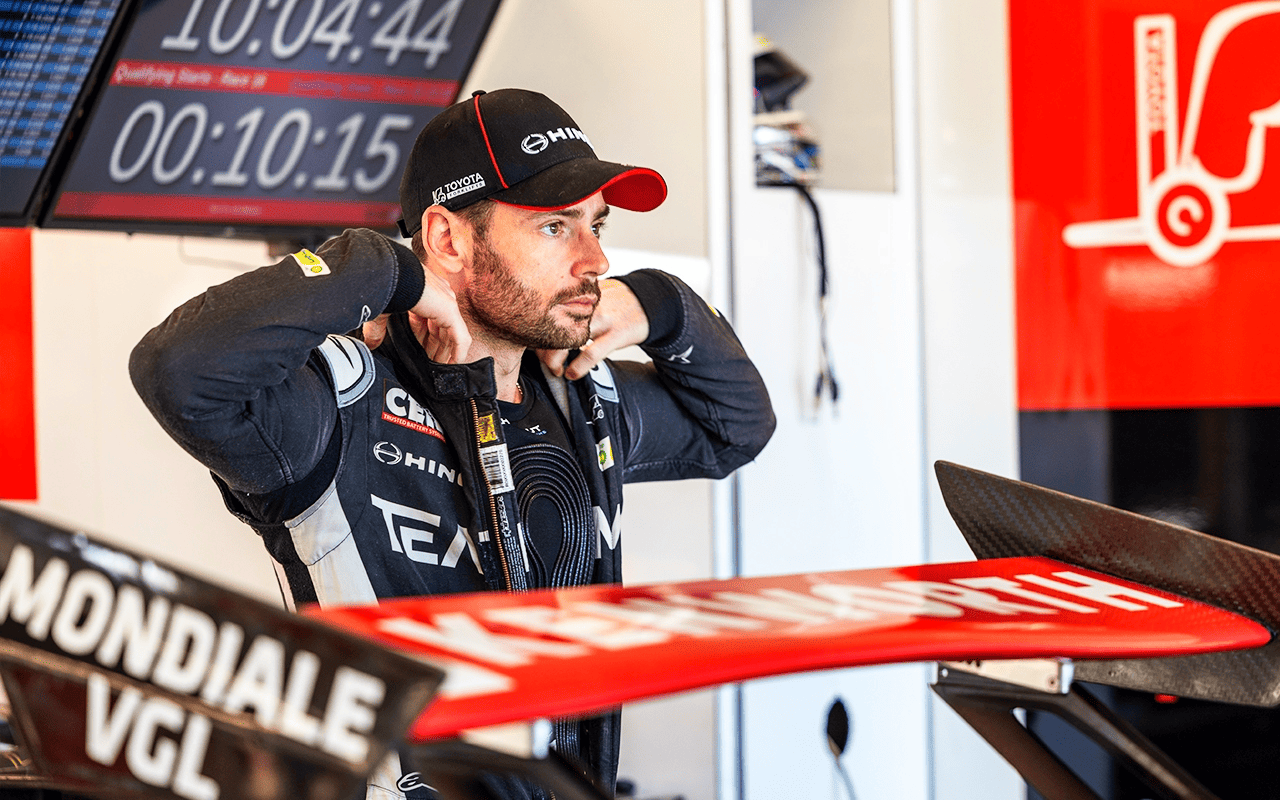
Scott Pye’s professional career exemplifies persistence, adaptability, and analytical skill. Having competed in various racing formats, Pye’s path through the Supercars Championship reveals the demands placed on drivers operating at the elite level. His technical awareness, communication with engineers, and focus on consistency position him as a notable figure within Australian motorsport.
Unlike many drivers who rely heavily on raw instinct, Pye’s style emphasizes data interpretation and situational awareness. In an environment where milliseconds define success, his analytical approach aligns closely with the evolving scientific foundation of the sport. Pye’s collaboration with teams like Red Bull Ampol Racing reflects how individual performance integrates into larger institutional frameworks of technology and precision.
Red Bull Racing F1 — Engineering Excellence at the Pinnacle of Motorsport
Red Bull Racing F1’s prominence in Formula 1 results from a sustained focus on research, development, and creative problem-solving. The team’s technical staff, led by some of the most respected engineers in the industry, utilizes wind tunnels, computer modeling, and artificial intelligence to refine aerodynamic and mechanical efficiency.
Formula 1, as the premier class of motorsport, serves as both a laboratory and a stage. Within this context, Red Bull’s innovations — from energy recovery systems to chassis optimization — have influenced broader industry standards. The competitive rivalry with other major constructors also continues to drive advancement in materials science, safety engineering, and predictive modeling.
Beyond the race track, Red Bull Racing maintains a reputation for cultivating new talent. Through structured development programs, the team identifies and trains emerging drivers, fostering long-term competitiveness and continuity within the organization.
Rubens Barrichello — A Career Bridging Generations of Motorsport
Rubens Barrichello remains one of the most enduring figures in the history of Formula 1. His career, spanning multiple decades and team affiliations, illustrates the transition of motorsport from mechanical intuition to data-driven methodology. Barrichello’s contributions extend beyond race results; his technical feedback and understanding of vehicle behavior have influenced car design and performance strategy.
As a veteran driver, Barrichello’s mentorship of younger competitors highlights the human dimension of racing. His approach combined professionalism, adaptability, and emotional balance — qualities increasingly essential in a sport that relies as much on psychological resilience as on engineering expertise. Even after his departure from Formula 1, Barrichello’s involvement in other racing formats reinforced his status as a link between traditional and modern eras of competition.
Motorsport and Media — Technology, Data, and Fan Experience
Digital transformation has redefined how audiences engage with motorsport. Through live telemetry, onboard cameras, and interactive broadcasting, fans now access real-time performance data once reserved for engineers. Social media platforms further amplify visibility, turning teams and drivers into active participants in continuous storytelling.
For organizations such as Red Bull Racing, media engagement operates as both a communication tool and a feedback mechanism. By analyzing online engagement metrics, teams can assess public sentiment, sponsor value, and global reach. This interplay between technology and audience analytics mirrors the data-driven culture embedded within the sport itself.
Lifestyle Beyond the Track — Leisure, Focus, and Modern Passions
Away from competition, professional drivers balance rigorous training with measured recreation. Physical conditioning, nutritional discipline, and mental focus remain constant priorities. However, downtime plays an essential role in recovery and cognitive reset. Many drivers engage in activities such as simulation racing, cycling, or digital entertainment as structured leisure.
Digital platforms have become part of this ecosystem, offering controlled environments for analytical relaxation. Some professionals interact with online platforms like LEON Casino, illustrating how digital recreation and strategy-based entertainment intersect with the mindset required in competitive motorsport. These activities reflect not indulgence but rather an extension of the analytical, probability-oriented thinking that underlies performance both on and off the circuit.
Performance Culture and Data in Modern Racing
Modern motorsport operates within a framework that combines artificial intelligence, telemetry, and machine learning. Teams collect vast quantities of data from sensors embedded in vehicles, analyzing variables such as tire temperature, fuel efficiency, and aerodynamic load. This continuous feedback loop enables rapid decision-making and long-term optimization.
In this context, engineers and strategists function alongside drivers as integral components of success. Human judgment remains essential, particularly when interpreting variables that cannot be quantified — weather unpredictability, driver intuition, or competitive psychology. The balance between algorithmic precision and experiential insight defines the current phase of racing evolution.
The Broader Impact of Red Bull in Motorsport
Red Bull’s participation in motorsport extends beyond team ownership. The company supports driver academies, junior programs, and global events designed to identify new talent. This investment contributes to sustaining the competitive depth of both Formula 1 and domestic racing formats such as the Supercars Championship.
The Red Bull ecosystem demonstrates how corporate infrastructure can coexist with athletic development, emphasizing research, safety, and innovation. Through media integration and technological advancement, the organization continues to influence how motorsport is perceived, consumed, and practiced worldwide.
Conclusion — The Ongoing Drive for Performance and Innovation
From Formula 1 to Supercars, the Red Bull racing structure represents an evolving narrative of speed, precision, and human collaboration. Figures such as Scott Pye and Rubens Barrichello embody the continuity between eras, where technological progress aligns with personal discipline.
The intersection of engineering, analytics, and lifestyle within motorsport reflects a complex ecosystem that balances science, competition, and identity. Whether on the track, in team laboratories, or during moments of recreation, the drive for performance remains a defining feature of this global pursuit. Through continual adaptation and innovation, Red Bull’s legacy — and the broader culture of motorsport — continues to expand its relevance within modern sporting and technological contexts.