Access to clean and safe drinking water is one of the most basic and important needs for any individual. However, due to the presence of impurities and other substances, the quality of water can become a major concern for many people. With the increased awareness about the quality of water, many individuals are looking for ways to purify water for consumption at the domestic level.
Among the different types of purification systems, the use of reverse osmosis systems for the purification of water at the domestic level has become extremely popular. The use of such systems for the purification of water at the domestic level can be attributed to the effectiveness of the system and the quality of the water it can deliver at the tap level.
In the present scenario, the market for water purification systems has grown to encompass different types of systems, including advanced purification systems. For many individuals looking for the most effective purification system for the domestic level, the use of brands such as Aquarene can help them understand the different types of water purification systems and the changes the industry has gone through to reach the present level of sophistication.
Understanding the working of the reverse osmosis system and the place it occupies as part of the overall purification system can help individuals understand the effectiveness of the system for the domestic level.
The basics of reverse osmosis
The working of the reverse osmosis system can be understood as the use of a semi-permeable membrane for the separation of dissolved substances from the water. The basic principle of the reverse osmosis system can be understood as the use of pressure to force the water through the membrane, which can filter the water and ensure the removal of different types of impurities.
This is different from conventional filtration systems, which depend mainly on physical filters with relatively larger pore sizes, like pitcher filters or carbon filters. The membranes used in RO filtration can reject a high percentage of dissolved salts, heavy metals, bacteria, and other impurities, which cannot be removed by coarse filters.
The components of a standard RO filtration system installed in homes include:
- Pre-filters: These filters remove impurities from water before it reaches the membrane.
- The RO membrane: This is the main component of the system, which filters water.
- Post-filters: These filters remove impurities from water, making it taste and smell good.
- Storage tank: This stores water purified by the system and ready for use.
- Faucet or water dispenser: This is integrated into the system and usually installed under the kitchen sink.
These components work together to ensure efficient working of the membrane and production of clean and potable water.
What reverse osmosis removes, and what it doesn’t
Reverse osmosis filtration is efficient in removing different impurities from water, including:
- Dissolved salts and minerals
- Heavy metals like lead and arsenic
- Pesticides and herbicides
- Organic compounds, which might affect taste and odor
- Microorganisms like bacteria and protozoa
However, like other impurity removal systems, RO filtration is not 100% efficient. Some impurities, which can be problematic, include:
- VOCs, which might be present in water
- Chlorine, which must be removed before reaching the membrane
- Certain gases
These impurities can be removed when RO filtration is combined with other impurities removal systems, which is usually the case in homes.
The importance of source water quality
The effectiveness of an RO system in providing clean water and maintenance requirements depend on the quality of source water. Municipal water sources contain chlorine, chloramines, and low mineral content that can be managed with pre-treatment systems. Well water sources contain high levels of dissolved solids, sediments, or microorganisms that require pre-treatment.
Individuals planning to install an RO system in their homes should consider having their water tested to determine its quality. This information will be useful in choosing an appropriate system.
Water Waste and Efficiency of Reverse Osmosis Systems
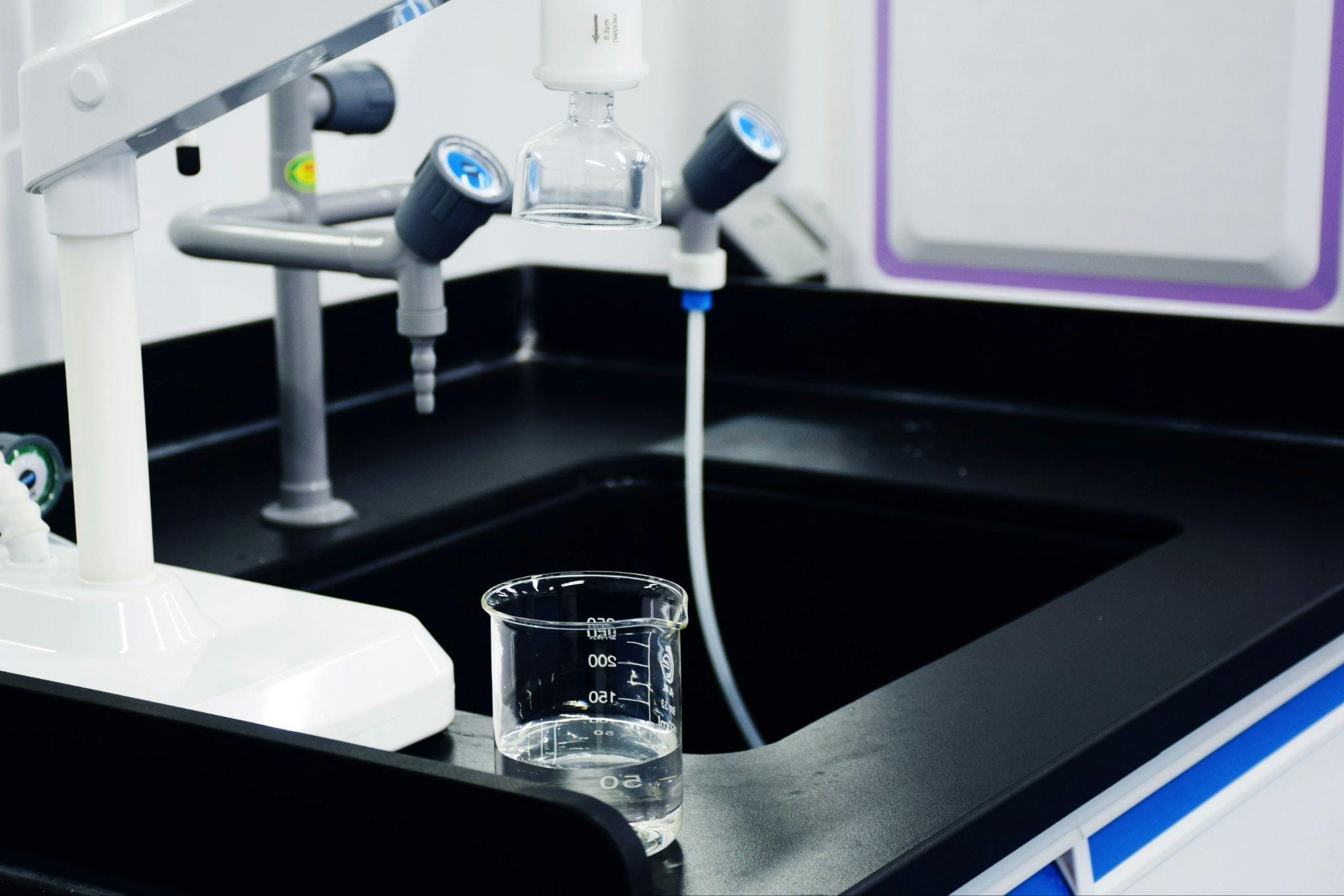
Photo by RephiLe water on Unsplash
One of the disadvantages of reverse osmosis systems that has been cited in several reviews is that they produce considerable waste water. As discussed above, this is due to their operation mechanism of rejecting impurities in water by passing them to waste water.
However, this problem has been addressed in new reverse osmosis systems that have been designed to be highly efficient in their operation. The efficiency of different models of reverse osmosis systems is usually compared to determine which system produces the least waste water.
Long-term Maintenance Requirements of Reverse Osmosis Systems
Reverse osmosis systems require regular maintenance to perform efficiently in providing clean water. The requirements of maintaining an RO system include:
Replacement of filters: The pre-treatment filters of an RO system need to be replaced every 6 to 12 months.
Longevity of membranes: The membranes of an RO system have a lifespan of 2 to 5 years.
All these factors play an important part in determining the overall cost of ownership, which includes not only the initial cost of installation but also the cost of consumables and possibly services in the future.
Role of water quality authorities
There are guidelines from various governments and health organizations, which provide information pertaining to the safety of drinking water and the priorities set for water treatment.
For instance, the Environmental Protection Agency (EPA) in the USA has set regulatory standards for water purification in public water supplies, as well as providing information pertaining to water purification in residential properties, such as the use of reverse osmosis and filtration methods. This information is vital in helping the consumer understand the quality of water in the area they reside in, as well as the various contaminants present in the water.
Although the residential water purification system is not regulated in the same way as public water supplies, compliance with health and safety guidelines is vital in ensuring that the purification goals set align with the overall health and safety objectives.
Beyond Reverse Osmosis: Using Hybrid and Advanced Technologies
Reverse osmosis is used as part of an overall water purification strategy, and in regions with complex water quality issues, various water purification technologies can be used in combination with the basic reverse osmosis process, such as:
Activated Carbon Filtration: This process is used to remove chlorine, volatile organic compounds, and taste and odor impurities.
Ultraviolet Disinfection: This process is used to kill bacteria, viruses, and other microorganisms.
Ceramic or Micron Filters: This process is used in conjunction with the reverse osmosis process.
Ion Exchange: This process is used to adjust the mineral content in the water.
Sustainability considerations
Water purification systems play an important part in sustainability considerations. While RO waste water is an important consideration, water efficiency strategies, including reusing waste water for irrigation or cleaning, can actually help to minimize environmental impact. Similarly, sustainable system design with low-waste components can also aid in sustainability.
Manufacturers are also innovating in the use of recyclable materials, low-energy components, and modular designs that extend system life and reduce ecological footprint.
The Human Dimension of Water Quality
Water is not just a practical commodity but also possesses a psychological and emotional dimension. The knowledge that the water is safe for consumption and cooking away from any worry can be a source of peace of mind. This is particularly true for families that have young children, elderly persons, and persons with health issues, also with people who want to reduce their water bill. Residential purification systems highlight the intersection of technology and human life.