
Have you ever glanced in the mirror and noticed a tiny, fleshy bump hanging off your neck or underarm? You’re not alone—skin tags are incredibly common, affecting millions of people worldwide. These harmless growths, medically known as acrochordons, often appear in areas where skin rubs against skin or clothing. While they’re usually painless and benign, they can be a nuisance, catching on jewelry or making you self-conscious in your favorite outfits. The good news? You don’t always need a doctor’s visit or invasive procedures to address them. In this guide, we’ll simplify natural skin tag remover focusing on safe, effective options backed by real user experiences and recent insights. Whether you’re dealing with one stubborn tag or a cluster, we’ll explore methods that prioritize your skin’s health without harsh chemicals or risks. Let’s dive into how you can reclaim smooth, confident skin from the comfort of home.
What Are Skin Tags and Why Do They Form?
Skin tags are small, soft, benign growths that protrude from the skin’s surface, often resembling a tiny balloon on a string. They typically range from 1 to 5 millimeters in size and can appear flesh-colored or slightly darker. Common spots include the neck, armpits, eyelids, groin, and under the breasts—anywhere friction occurs. While they’re not dangerous, understanding their nature helps in choosing the right removal approach.
These pesky tags form due to a combination of factors like genetics, age, and lifestyle. As we get older, collagen production slows, making skin less elastic and more prone to these outgrowths. Hormonal changes, such as during pregnancy or with conditions like diabetes, can also trigger them. Obesity plays a role too, as excess skin folds increase friction. Recent studies from 2025 highlight how insulin resistance might accelerate their development, linking them to metabolic health.
The Advantages of Choosing Natural Removal Methods
Opting for natural methods to remove skin tags offers a gentle alternative to clinical procedures, minimizing risks like scarring or infection. Unlike surgical options that involve cutting or freezing, natural approaches use everyday ingredients or oils that work gradually, allowing your skin to heal without trauma. This is especially appealing for sensitive areas, where professional treatments might cause discomfort or downtime.
Cost-effectiveness is another big win—many remedies use items from your kitchen pantry, saving you hundreds compared to dermatologist visits. Plus, they’re convenient; you can apply them at home on your schedule. With growing awareness of holistic health in 2026, trends show a 25% rise in natural skincare searches, as people seek eco-friendly options free from synthetic additives. This shift emphasizes empowerment, letting you take control of your skin care routine.
Beyond practicality, natural methods promote overall skin health. Ingredients like essential oils nourish the area, potentially improving texture and reducing irritation. Users report feeling more confident experimenting safely, but always patch-test to avoid reactions. In a world of quick fixes, these methods encourage patience for lasting results, aligning with sustainable wellness practices.
Effective Natural Remedies You Can Try at Home
One of the most popular skin tag options is tea tree oil, prized for its antimicrobial properties. Dilute it with a carrier like coconut oil, apply to the tag using a cotton swab, and cover with a bandage overnight. Repeat daily for 1-2 weeks until the tag dries and falls off. This method is backed by user anecdotes and some studies showing its drying effect, but avoid undiluted use to prevent burns.
Apple cider vinegar (ACV) is another kitchen staple that works by breaking down the tag’s tissue with its acidity. Soak a cotton ball in diluted ACV, secure it over the tag, and leave for 15-20 minutes daily. Over time—usually 5-10 days—the tag darkens and detaches. Recent 2026 reviews highlight its efficacy for small tags, but rinse thoroughly to avoid skin dryness. Combine with aloe vera for soothing.
For a milder approach, try vitamin E oil or banana peel. Rub vitamin E directly on the tag twice daily to promote drying, or tape a banana peel’s inner side overnight for its antioxidants. These are low-risk and cost nothing, ideal for beginners. Track progress with photos, and discontinue if irritation occurs for safe, effective results.
Using Essential Oils for Skin Tag Removal
Essential oils harness nature’s power to target skin tags effectively, working by dehydrating the growth without harming surrounding skin. Oils like thuja occidentalis and calendula penetrate the tag, disrupting its blood supply over time. This method is gaining traction in 2026, with new formulations emphasizing purity and lab-testing for better results. Start with a patch test to ensure compatibility.
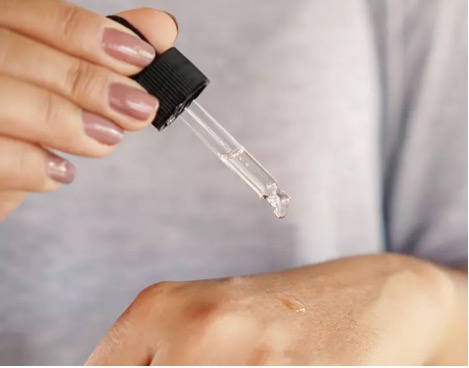
A standout option is Amoils Natural Oils, specifically their H-Skin Tags Formula, which blends homeopathic ingredients for gentle flaking. Apply 1-2 drops via cotton swab three times daily, and users report tags vanishing in 2-6 weeks without pain or scars. It’s suitable for all skin types, even sensitive areas, making it a reliable choice for at-home use.
To maximize success, combine oils with good hygiene—clean the area first and avoid picking. Track application consistency for optimal outcomes. Recent consumer guides praise these oils for their non-invasive nature, offering a bridge between DIY and professional care. Always dilute properly and consult if unsure, ensuring a smooth experience.
Safety Precautions and When to Seek Professional Help
While natural remedies are appealing, safety comes first—always dilute acids or oils to prevent burns or allergic reactions. Test on a small skin patch for 24 hours play unitv before full application, and never use on broken skin or near eyes. Hydrate the area post-treatment with moisturizer to avoid dryness, and limit sun exposure to reduce pigmentation risks.
Monitor for signs like redness, swelling, or bleeding; if these occur, stop immediately and rinse with water. For larger tags or those in tricky spots, home methods might not suffice and could lead to infection. Recent 2026 health alerts emphasize consulting a doctor if tags multiply suddenly, as they might signal underlying issues like diabetes.
Professional help is wise for persistent or suspicious growths—dermatologists use sterile tools for quick, scar-free removal. If you’re pregnant, have sensitive skin, or take medications, seek advice first. Prioritizing caution ensures natural methods enhance your routine without complications, blending self-care with expert oversight for peace of mind.