
Finding the right mix of strength, flexibility, and recovery at home can feel like a puzzle. You might spend a few days lifting weights, then notice tight muscles holding you back. Or maybe you dedicate yourself to stretching, only to feel weaker when it’s time to move something heavy. Without balance, you risk burnout, injury, or simply losing motivation. That’s why structuring your routine around all three elements is essential.
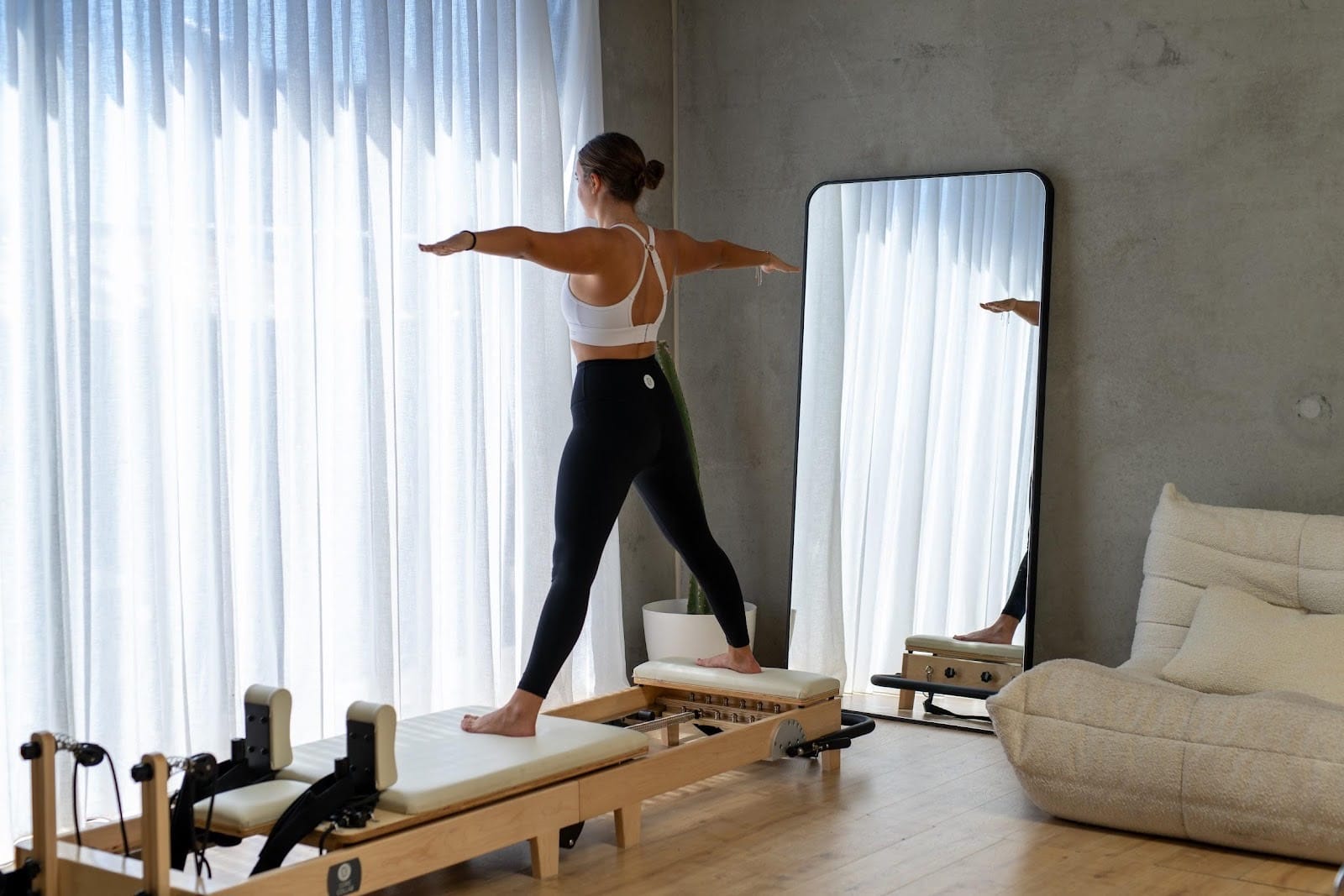
One of the easiest ways to bring harmony into your workouts is through tools that adapt to different needs. For example, some pilates bed reformer machine options offer resistance for strength, range of motion for flexibility, and mindful movement that doubles as recovery. Some retailers have reformers for home use that replicate the studio experience, giving you access to versatile training without leaving your living room.
Why Balance Matters in a Home Fitness Routine
A routine that emphasises only one aspect of fitness creates gaps. If you focus entirely on strength, you might end up stiff and more prone to injury. If you lean too heavily on flexibility, you risk instability or weakness when facing everyday demands like lifting groceries or climbing stairs. And skipping recovery altogether can leave your body fatigued, which slows progress over time.
At home, balance becomes even more important because you don’t have trainers or class structures to guide you. You’re in charge of pacing, intensity, and variety. Thinking about your workouts as a triangle—strength, flexibility, recovery—helps you recognise when something is missing. When all three are present, your body feels energised instead of depleted, and your progress becomes steady rather than inconsistent.
How Strength Training Supports Everyday Movement
Strength isn’t just about building visible muscle. It’s about supporting your joints, improving posture, and giving you the power to handle everyday tasks with ease. Training your body at home with resistance bands, light weights, or springs helps protect your back when lifting heavy bags or carrying children.
Strength also ties directly into injury prevention. Muscles act like armour for your bones and joints. When they’re strong, you move more efficiently and absorb impact better. This means fewer aches after sitting too long at a desk and less fatigue when standing for extended periods. Even ten minutes of strength-based work a few times a week can improve your endurance and help your body feel more capable.
Building Flexibility Without Overextending Your Body
Flexibility doesn’t require dramatic splits or extreme stretches. What you actually need is functional mobility—the ability to move comfortably through a range of motion without pain. Instead of forcing deep stretches, aim for gentle, consistent movements that lengthen and relax tight muscles.
Simple practices like dynamic stretches before strength training and static stretches afterwards create lasting benefits. Tools like stretch bands, yoga blocks, or straps allow you to safely ease into positions without straining. This measured approach prevents overstretching, which can lead to instability. Over time, these habits improve posture, reduce stiffness, and create a body that moves freely without restriction.
Gentle Ways to Enhance Muscle Recovery at Home
Recovery is often the missing piece in home fitness routines. You might push through soreness or skip cooldowns, but this slows progress and increases injury risk. Gentle strategies like foam rolling, light stretching, and hydration make a huge difference in how quickly your muscles bounce back.
Another useful practice is alternating high-intensity and low-intensity days. If you do a tough strength session one day, follow with something restorative like a stretching routine or light reformer work the next. Sleep is also a major player—deep rest allows your muscles to repair and grow stronger. Even something as simple as five minutes of mindful breathing after exercise can calm your nervous system and kickstart recovery.
The Benefits of Combining Strength and Stretch in One Workout
Pairing strength and flexibility in the same session multiplies the benefits. For example, when you strengthen your hamstrings and then stretch them, you improve not only power but also range of motion. This combination prevents stiffness while reinforcing proper muscle function.
Pilates is especially effective here because many exercises challenge both strength and length simultaneously. Movements that ask you to extend your legs while engaging your core deliver a double benefit. Training this way saves time, prevents muscle imbalances, and helps you feel both stronger and lighter after a single workout.
Why Pilates Reformers Create a Balanced Approach to Fitness
Pilates reformers bring all three pillars—strength, flexibility, and recovery—into one machine. The adjustable springs let you control resistance for muscle building, while the sliding carriage promotes fluid, lengthening movements. Because the exercises are low-impact, your joints get stronger without unnecessary stress.
These sessions can feel like strength training and stretching combined with meditation. As you push, pull, and glide, your body works in harmony rather than isolation. If you’re considering adding equipment to your home, reformers like those from The Core Collab give you professional-grade quality with foldable, space-conscious designs. This means you can enjoy studio-level workouts in your living room while keeping your routine adaptable.
Simple Daily Moves to Improve Strength and Flexibility
Short, consistent habits add up faster than long, inconsistent workouts. A few minutes each day is enough to maintain strength and flexibility when you don’t have time for a full session. Try squats or lunges to keep your legs strong, planks for core stability, and simple side bends or spine twists for mobility.
If you have a reformer, footwork sequences and leg circles target large muscle groups while promoting alignment. Without equipment, bridges and cat-cow stretches achieve similar benefits. The goal is to keep your body moving daily in ways that activate muscles and lengthen them at the same time.
Using Breath to Guide Strength and Recovery
Breath control is one of the simplest yet most powerful tools in fitness. Exhaling during exertion stabilises your core and reduces unnecessary strain, while slow, deep inhales help oxygenate your muscles. Coordinating breath with movement also keeps your mind present, preventing rushed or careless reps.
During recovery, breathing becomes a way to calm your body down. Techniques like box breathing or long exhales lower your heart rate and activate the parasympathetic nervous system, which promotes relaxation. This is why Pilates emphasises breath—it’s the invisible thread that connects strength, flexibility, and recovery.
Why Low-Impact Workouts Can Still Challenge Your Body
Low-impact doesn’t mean easy. It means your joints are protected while your muscles do the work. Movements performed on a machine, or even floor-based Pilates, can challenge your core, legs, and arms without pounding your knees or hips.
The benefit is sustainability. You can train more often without the downtime required after high-impact workouts. Low-impact training also suits all fitness levels, making it easier to stay consistent and gradually progress. Over time, these workouts build strength, endurance, and stability without leaving you drained or sore.