
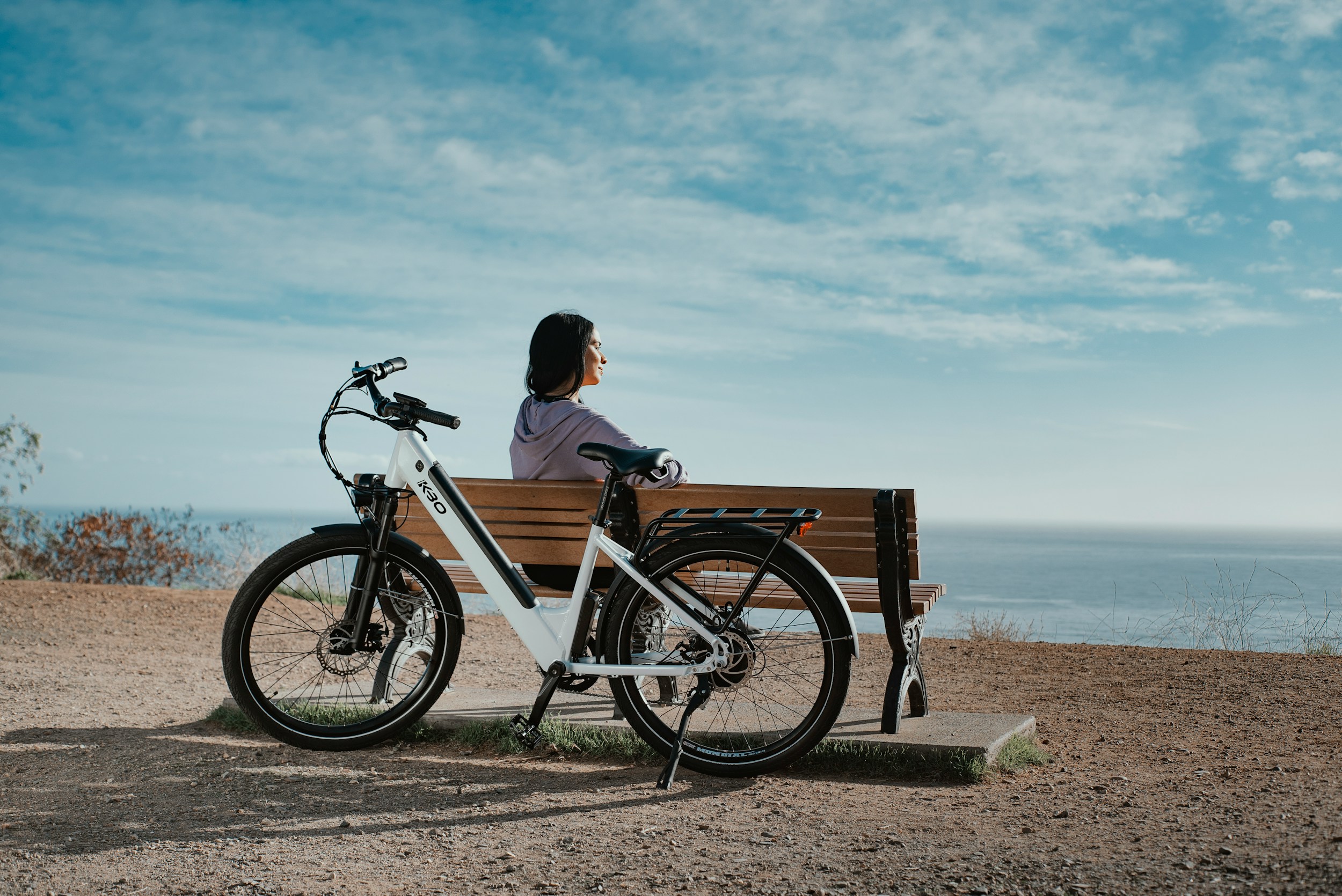
Cycling has long been celebrated as an eco‑friendly, low‑cost way to move through busy streets, yet traditional bicycles never quite solved the “last‑sweat” problem – arriving at the office breathless, soaked, or simply too exhausted to feel productive. Enter the electric bicycle, or e‑bike, a category that has exploded in popularity from Amsterdam to Auckland and is projected by Allied Market Research to exceed US$118 billion globally by 2030. Sleek designs, extended battery ranges, and city incentives are turning pedals into power stations, giving urban commuters a genuine alternative to cars and buses.
Strangely enough, even playful expressions found in online cycling forums – such as calling a helpful route‑planning app your personal pokie mate – reflect how quickly e‑bike culture is spawning its own vocabulary and community rituals. Fun jargon aside, the real story is in the numbers: sales of pedal‑assist bikes doubled in the United States between 2019 and 2023, while Paris now boasts more than 1,000 kilometers of dedicated lanes powered by municipal investment.
Why E‑Bikes Are Winning the Commuter Race
Electric bicycles marry mechanical efficiency with electric propulsion, creating a mobility experience that addresses multiple pain points of city travel. Below are the core advantages driving adoption:
- Speed Without Sweat
Pedal‑assist motors kick in just enough torque to flatten hills and conquer headwinds, letting riders maintain 25-32 km/h averages without overexertion. - Cost Savings
An annual subway pass in New York City costs about US$1,500, while an entire year of e‑bike charging averages under US$50, even on premium models. - Environmental Impact
Riding an e‑bike emits roughly 21 g of CO₂ per kilometer – 62‑fold less than a typical sedan and 10‑fold less than a hybrid bus. - Traffic Immunity
Dedicated cycling lanes, shortcuts through parks, and “green wave” signal timing help e‑bike riders shave up to 30 minutes off cross‑town commutes. - Health Benefits
Studies from the University of Basel show pedal‑assist cyclists experience similar cardiovascular gains compared to conventional riders, owing to increased trip frequency.
Policy Tailwinds
Governments are fueling demand with tax breaks and grants. France offers up to €400 in purchase subsidies, California allocates US$10 million annually for low‑income resident rebates, and Oslo allows e‑bikes to use some bus lanes during peak hours. The result? Increased ridership sparks virtuous feedback loops – more cyclists demand safer streets, encouraging still more commuters to switch saddles.
A Buyer’s Guide: Choosing the Right E‑Bike for Your Lifestyle
Navigating the e‑bike market can feel overwhelming. Dozens of manufacturers advertise “long‑range,” “dual‑motor,” or “torque‑sensor” as if every term were self‑explanatory. The table below simplifies key categories and specs:
| Segment | Ideal Rider Profile | Typical Range (km) | Motor Power (W) | Stand‑out Feature |
| City/Urban | Daily commuters under 20 km round‑trip | 50-80 | 250-500 | Integrated lights & racks |
| Folding | Apartment dwellers, train commuters | 40-70 | 250-350 | Compact 20″ wheels |
| Cargo/Utility | Parents, couriers, small businesses | 60-120 | 500-750 | Extended rear platforms |
| Speed Pedelecs | Suburban riders on longer routes | 70-130 | 500-1000 | 45 km/h pedal assist |
| Off‑Road/MTB | Weekend trail enthusiasts | 50-100 | 500-900 | Full‑suspension frames |
Pro Tip: Match motor wattage to your local terrain. Steep cities like San Francisco benefit from 500 W or more, while flat Amsterdam sees 250 W as the sweet spot.
The Technology Behind the Torque
E‑bikes rely on four core components working in harmony:
- Battery Pack
- Modern lithium‑ion cells range from 400 Wh to 1 kWh.
- Integrated smart BMS (Battery Management Systems) prolong life up to 800 charge cycles.
- Modern lithium‑ion cells range from 400 Wh to 1 kWh.
- Motor
- Hub motors are affordable and silent; mid‑drive units offer better hill‑climbing by leveraging the bike’s gears.
- Hub motors are affordable and silent; mid‑drive units offer better hill‑climbing by leveraging the bike’s gears.
- Controller
- Acts as the “brain,” interpreting cadence or torque sensors to regulate power delivery.
- Acts as the “brain,” interpreting cadence or torque sensors to regulate power delivery.
- Display & Connectivity
- Color LCDs show speed, range predictions, and navigation prompts; some pair with phone apps for over‑the‑air firmware updates.
- Color LCDs show speed, range predictions, and navigation prompts; some pair with phone apps for over‑the‑air firmware updates.
Battery Chemistry Advances
Solid‑state prototypes promise 50 % more energy density and 30 % faster charging compared to today’s liquid electrolyte packs. Brands like Panasonic and CATL aim for commercial release by 2027, potentially extending ranges well beyond 200 kilometers on a single charge.
Safety First: New Rules of the Road
With rising adoption comes heightened scrutiny. European law caps pedal‑assist at 25 km/h unless you register the bike as a moped; the United States classifies e‑bikes into three tiers, each with its own top‑speed ceiling and path eligibility. Riders must adapt:
- Helmet Regulations
– Mandatory for Class 3 (>28 mph) bikes in many U.S. states. - Insurance & Licensing
– Speed pedelecs in Germany require license plates and liability coverage. - Lighting Requirements
– Daytime running lights have become standard for visibility.
City planners are responding with protected lanes, bike boxes at intersections, and micro‑mobility parking corrals to stop sidewalk clutter.
Maintenance Myths Busted
Contrary to rumors, e‑bikes aren’t “maintenance nightmares.” Follow these simple steps and your ride will outlast most smartphones:
- Quarterly Battery Check
Store above 50 % charge during winter; avoid full depletion. - Chain Lubrication
Apply dry lube every 100 kilometers or after rain. - Firmware Updates
Connect to the manufacturer app monthly for motor calibration tweaks. - Brake Pad Inspection
Electric bikes are heavier – check discs every 500 kilometers. - Tire Pressure
Keep 10 psi higher than on acoustic bikes to counteract extra weight.
DIY Tool Kit Essentials
- Multitool with Torque Keys – Prevents overtightening delicate carbon components.
- Portable Pump & CO₂ Inflator – Tackles flats without roadside frustration.
- Spare Inner Tube or Patch Kit – Hub motors complicate wheel removal; be prepared.
- USB‑C Power Bank – Some models allow emergency top‑ups of the display unit.
- Chain Wear Indicator – Signals when to replace before damaging the cassette.
The Corporate Commute: Businesses Embrace E‑Bike Fleets
Forward‑thinking companies are offering e‑bike stipends, loaner fleets, or subscription memberships to cut parking costs and meet ESG targets. SAP’s German headquarters slashed single‑occupancy vehicle trips by 18 % after launching a fleet of 300 pedal‑assist bikes, each equipped with IoT trackers to optimize maintenance schedules.
Tax Incentives for Employers
- United Kingdom: Cycle to Work scheme allows salary‑sacrifice leasing, saving employees up to 42 % on purchase costs.
- Netherlands: Companies can reimburse €0.21 per kilometer tax‑free for employees who e‑bike to work.
- Canada: Some provinces offer carbon offset credits when firms document modal shifts away from cars.
The Social Dimension: From Solo Rides to Community
E‑bike meet‑ups, Strava clubs, and long‑distance charity rides cultivate new social networks. Platforms like PeopleForBikes host “E‑Bike Challenge” leaderboards that gamify commuting frequency, while YouTube channels specializing in maintenance tutorials create a knowledge commons for novices and tinkerers alike.
Top Five Community Event Ideas
- Monthly “Bike Bus” to Work – A convoy led by an experienced rider ensures safety and camaraderie.
- Battery Recycling Drive – Partner with municipal e‑waste centers for a weekend collection.
- Cargo Bike Food Bank Runs – Deliver excess bakery goods to shelters without emissions.
- Weekend Hill‑Climb Clinics – Teach efficient gear shifting and motor usage.
- Open‑Garage Workshops – Share tools and skills; build mutual aid around maintenance.
Environmental Payoff: Crunching the Numbers
A 2024 study in Transportation Research Part D modeled a mid‑sized European city where 15 % of car commuters switched to e‑bikes. The findings were staggering:
- CO₂ Reduction: 58,000 tons annually, equivalent to planting 2.9 million trees.
- Noise Pollution: Average street decibel levels down 3 dB during rush hour.
- Air Quality: NOₓ concentrations in school zones declined 12 %.
- Road Wear: Municipal resurfacing costs dropped 6 % due to lighter vehicular loads.
Add the health benefits – lower obesity rates and cardiovascular incidents – and the cost‑to‑benefit ratio tilts even further in favor of two wheels.
Future Trends: What’s Next for Electric Mobility?
- Swappable Battery Networks
– Start‑ups in Taiwan and San Francisco are installing vending‑machine‑style stations, enabling one‑minute energy swaps for courier fleets. - Solar‑Integrated Frames
– Flexible photovoltaic cells laminated onto carbon tubes could extend range by 10-15 % under summer sunshine. - AI‑Driven Safety Systems
– Lidar sensors on handlebars detect closing car doors and send haptic alerts. - Bi‑Directional Charging
– Upcoming models may double as home backup power during outages via standard wall inverters. - Subscription Ownership
– “Bike‑as‑a‑Service” plans bundle insurance, servicing, and theft replacement for a fixed monthly fee.
Tech giants and traditional automakers alike are investing heavily, envisioning micro‑mobility as a pillar in the smart‑city matrix of autonomous shuttles and integrated public transport.
Electric bikes have transcended fad status to become a cornerstone of sustainable urban life – quietly rewiring how millions commute, connect, and care for the planet. Whether you seek faster commutes, a smaller carbon footprint, or simply the joy of gliding uphill with effortless ease, the e‑bike revolution is ready to carry you forward – one pedal‑assist at a time.