
Renovation budgets usually start with the obvious numbers: materials, labour, fixtures, finishes.
There is careful comparison shopping, spreadsheets, and contingency buffers for things like plumbing surprises or design changes.
Yet one cost almost always sits outside that planning process until it becomes unavoidable: renovation waste.
It is rarely discussed at the start, but it can quietly drain both money and momentum once work is underway.
For many homeowners, the true cost of renovation waste only becomes clear when the skip is overflowing, the trailer is full, and the project is already behind schedule.
Why Renovation Waste Is So Easy to Overlook
Most people underestimate waste because it feels secondary to the transformation itself. The focus is on what is being built, not what is being removed.
Old tiles, plasterboard, timber, fittings, and packaging tend to disappear piece by piece, making the volume harder to visualise early on.
There is also a common assumption that waste can be managed with a few tip runs or by spreading disposal across the project.
In reality, renovations often produce heavy, bulky materials that accumulate faster than expected, especially during demolition and strip-out phases.
The Types of Waste That Add Up Quickly
Renovation waste is rarely just rubble. A typical project can generate a mix of materials that all require different handling.
This often includes broken tiles, concrete, bricks, old cabinetry, benchtops, insulation, and damaged fixtures. Added to that is the packaging from new materials such as cardboard, plastic wrap, and pallets.
Weight is a major factor. Materials like tiles and concrete are dense, and disposal fees are often calculated by weight rather than volume.
What looks manageable on-site can translate into surprisingly high charges once it reaches a facility.
The Financial Impact Homeowners Rarely Plan For
The most obvious cost is disposal fees, but they are only part of the picture. Multiple trips to waste facilities mean fuel costs, vehicle hire or wear and tear, and time away from work or family.
Some councils also apply strict rules around sorting and contamination, which can lead to extra charges if loads are mixed.
When waste is not planned for, homeowners often end up paying premium rates for last-minute solutions. Delays caused by unmanaged waste can also increase labour costs if trades are unable to work efficiently or need to return later to finish tasks.
Time, Stress, and Project Disruption
Beyond money, waste creates friction. Piles of debris reduce usable space, increase safety risks, and make it harder for trades to move efficiently.
This can slow progress and introduce tension between homeowners and contractors, particularly on smaller sites.
There is also a mental cost. Renovations are already demanding, and dealing with waste decisions on the fly adds unnecessary pressure.
What should be a controlled process becomes reactive, which often leads to poor decisions made under time constraints.
Why Planning Waste Early Saves Money Overall
One of the biggest misconceptions is that proper waste management is an added expense rather than a cost-control measure.
Planning waste from the start allows homeowners to estimate volumes, schedule removal at the right stages, and avoid duplication of effort.
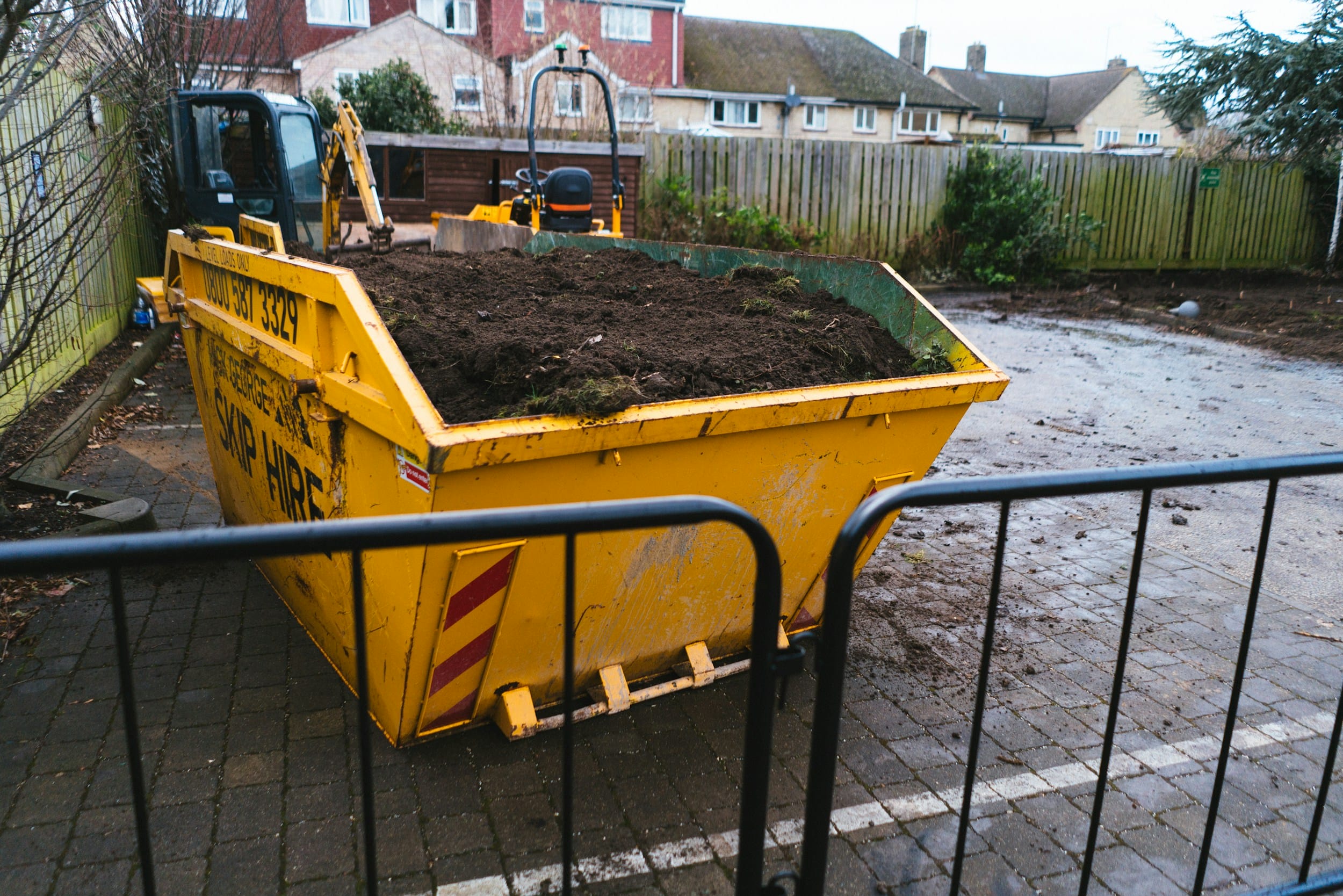
For many projects, arranging appropriate construction waste skip bins provides a centralised, predictable way to manage debris.
Having waste removed in bulk reduces tip runs, limits site clutter, and helps keep the project timeline on track. The key benefit is not convenience alone, but certainty around cost and logistics.
The Environmental and Community Cost of Poor Waste Handling
Renovation waste does not disappear once it leaves the site. Poor disposal practices contribute to landfill pressure, illegal dumping, and contamination of recyclable materials.
In residential areas, unmanaged waste can also affect neighbours through noise, obstruction, and visual impact.
For communities focused on sustainability, especially in coastal and urban environments, how renovation waste is handled is becoming part of the broader conversation about responsible development and living.
How Experienced Renovators Approach Waste Planning
Homeowners who have renovated before tend to treat waste as a core component of the project rather than an afterthought.
They estimate waste during the planning phase, align removal with key milestones, and coordinate with trades to minimise over-ordering and unnecessary demolition.
This approach does not require perfection, only foresight. Even a rough waste plan can prevent the most common surprises and reduce overall stress.
Questions to Ask Before Work Begins
Before renovation starts, it helps to ask a few practical questions.
How much waste will each stage produce? Where will it go if space becomes limited? What happens if the project runs longer than expected?
Answering these early creates a buffer against the unexpected.
A Cost That Only Feels Invisible at the Start
Renovation waste is inevitable, but surprise costs do not have to be. When waste is ignored, it quietly erodes budgets, timelines, and enjoyment of the renovation process.
When it is planned for, it becomes just another manageable part of the project. For homeowners looking to renovate with fewer surprises, acknowledging the true cost of waste early is one of the simplest