
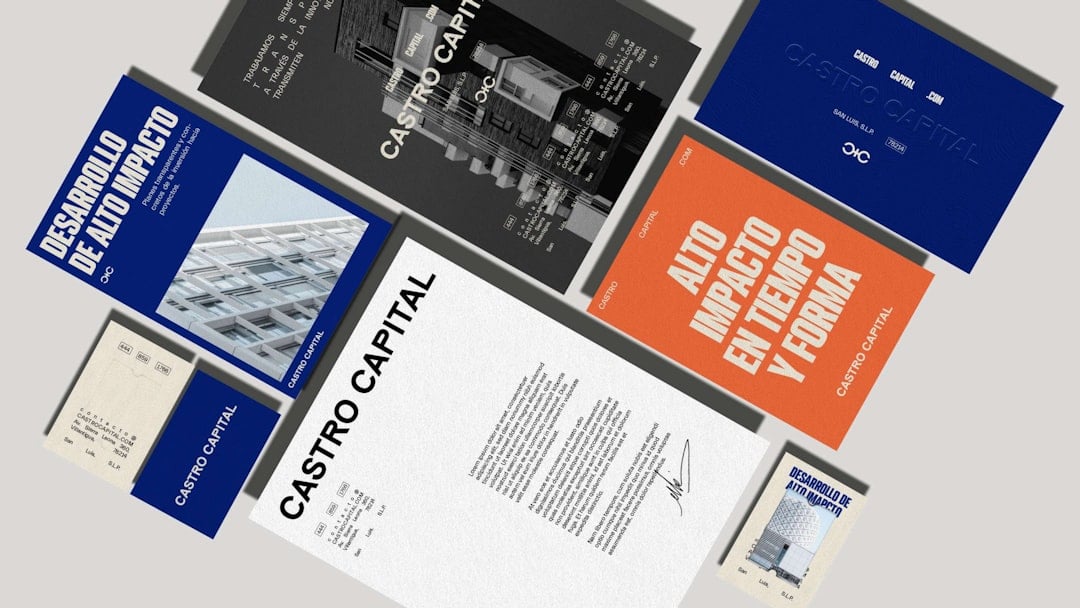
A brand doesn’t need to be everywhere. It needs to be recognisable where it matters.
That sounds simple, but plenty of businesses skip this bit and jump straight into content, signage, ads, packaging, merch, reels, flyers, sponsorships and whatever else feels urgent on a Tuesday morning. Then the brand starts looking like five different people had a go at it. Not ideal.
Before chasing attention, a business needs to know what it wants people to remember. Is it fast service? Local expertise? Better design? A more relaxed experience? A sharper price point? Pick a lane. Then make that lane obvious.
For Gold Coast businesses, this matters even more because the local market is busy and visual. Cafes, wellness studios, tradies, event brands, retailers, tourism operators and property groups all compete for the same scrolling thumbs and street-level attention. A clean message cuts through. A muddled one disappears.
Make the Visual Identity Easy to Spot
Logos matter, but they’re not the whole personality. A modern brand needs a visual system that works across a phone screen, shopfront, social post, invoice, email footer, event stall and staff shirt without falling apart.
Colour, type, image style and layout all do quiet work. They help people recognise a brand before they’ve even read the name. That’s the sweet spot.
A good test? Cover the logo on a social post or poster. Can the brand still be identified? If not, the visual identity may rely too heavily on the logo and not enough on the full look and feel.
This doesn’t mean everything has to look stiff or overly polished. GC Mag readers know the Coast has its own rhythm. A beachside venue in Burleigh doesn’t need the same visual language as a legal firm in Southport or a fitness brand in Mermaid Beach. The brand just needs to feel intentional. Not accidental.
Get the Online Basics Working First
A slick Instagram page won’t save a clunky website. Harsh, but true.
When someone hears about a brand, they usually check it online before doing anything else. They search the name, scan the website, look at reviews, check social media and decide whether the business feels credible. It happens quickly. Sometimes in under a minute.
The basics still matter: a fast website, clear service pages, current contact details, strong images, easy booking or enquiry options and consistent information across Google, socials and directories. Boring? Maybe. Powerful? Absolutely.
For businesses that rely on search, paid visibility can also help fill the gap while organic reach builds. Working with a Google ads agency can make sense when campaigns need proper targeting, testing and budget control rather than a “boost it and hope” approach.
Create Content That Feels Useful, Not Noisy
Not every brand needs to post daily. Some probably shouldn’t.
The better question is whether the content gives people a reason to care. A restaurant can show the dish, yes, but it can also show the chef’s prep, the local supplier, the Saturday lunch rush or the quiet corner table people love. A homewares store can post a product photo, but styling ideas will usually work harder. A surf school can show perfect waves, but nervous first-timer tips may connect better.
Useful content gets saved, shared and remembered. Noisy content fills a gap and vanishes.
There’s also no shame in being simple. One clear idea per post often beats a crowded graphic trying to say six things at once. People are scrolling while waiting for coffee, walking to the tram, avoiding emails or pretending to watch TV. Make it easy for them.
Bring the Brand Into the Real World
Offline branding still has serious pull. In fact, it can feel more memorable now because so much marketing lives on screens.
Think event signage, packaging, uniforms, vehicle wraps, menus, business cards, window decals, pop-up displays and printed collateral. When these pieces match the online brand, everything feels more established. More real.
At a Gold Coast launch, market stall, awards night or community event, a media wall banner can do more than fill space behind photos. It can turn every tagged image into a small brand moment, especially when the design is clean enough to be seen clearly on social media later.
The trick is restraint. Huge logo. Clear colours. Minimal clutter. Nobody needs a full company history printed behind their head while holding a drink and doing the awkward event-photo smile.
Build Trust Through Proof
People trust what other people confirm. Reviews, testimonials, case studies, media mentions, before-and-after images, user-generated content and client results all help a brand feel less like a promise and more like a safe choice.
A local service business on the Gold Coast can talk about being reliable all day. A steady stream of fresh reviews says it faster. A beauty clinic can list treatments, but real client feedback adds warmth. A restaurant can describe the vibe, yet photos from happy diners often do the heavy lifting.
Proof doesn’t need to be flashy. It just needs to be specific. “Great service” is fine. “They helped organise a last-minute booking for 12 people and kept everything easy” is better. Details stick.
Keep the Experience Consistent
Branding isn’t only what people see. It’s what they experience.
If the website feels premium but the customer service feels chaotic, people notice. If the social media tone is warm but the booking process feels cold and confusing, that gap matters. If the store signage looks beautiful but the emails are messy and unclear, trust takes a hit.
Consistency doesn’t mean robotic. It means people get the same level of care at every touchpoint. The same tone. The same standard. The same promise delivered in real life.
This is where smaller brands can beat bigger ones. They can be quicker, more personal and more tuned in to their customers. A thoughtful reply, a smooth pickup process, a well-designed receipt, a friendly follow-up. Tiny things. Big impact.
Measure What Actually Matters
Attention feels good, but results matter more.
Likes, views and impressions can be useful, but they don’t tell the whole story. A brand should also track enquiries, bookings, sales, foot traffic, repeat customers, email sign-ups, website actions and review growth. Otherwise, it’s easy to mistake noise for progress.
One campaign might bring thousands of views and barely any leads. Another might look quiet online but bring steady bookings from the right people. The second one wins.
The modern brand checklist isn’t about chasing every trend or being louder than everyone else. It’s about being clear, consistent and easy to remember, online and offline. That’s what gets noticed. Better still, that’s what gets chosen.