
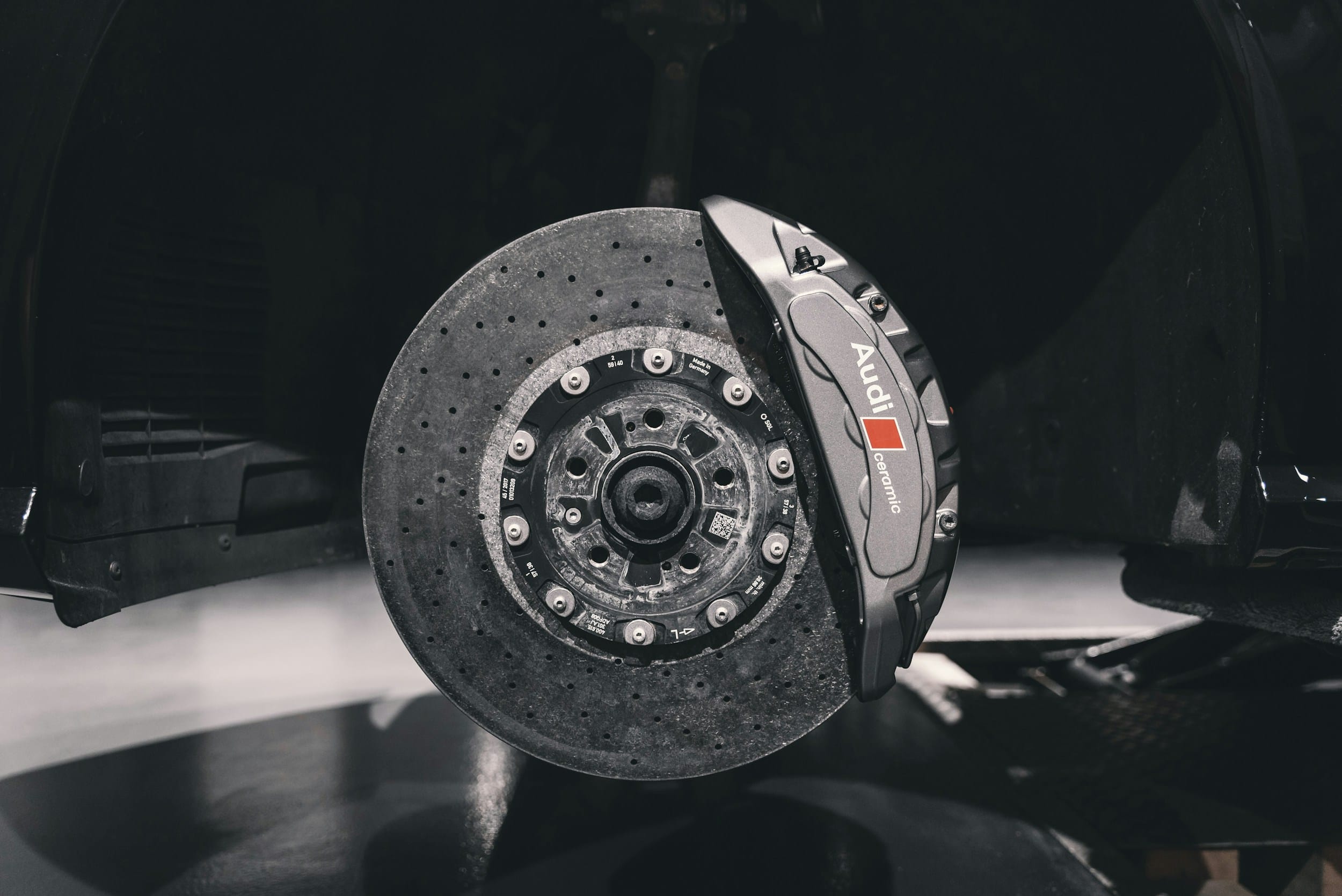
When it comes to staying safe on the road, nothing matters more than a reliable braking system. Most people book their cars in for regular servicing, but it is easy to forget individual car brake parts that keep everything working together. Neglecting them does not just affect how quickly you can stop, but it can also compromise control, shorten the lifespan of your system, and cost you more down the line.
Giving your brakes the attention they deserve involves making sure your car responds when you need it most. Here is a closer look at the parts that need the most care and why checking them regularly can make all the difference.
Brake Pads
Brake pads cop the brunt of the work every time you hit the pedal. They press against the rotors to create friction, and with constant heat and pressure, it’s no wonder they’re the first to wear. If the pads wear too thin, your stopping distance increases and, worse still, they can start chewing into the rotors themselves. That is a double hit resulting in reduced braking performance and a more expensive repair bill.
Signs of trouble include squealing noises, less bite when you press the pedal, or a warning light on your dash. Anyone who spends a lot of time in city traffic or often drives with heavy loads should be even more vigilant, as pads in those conditions wear much faster.
Rotors
Rotors, also known as discs, don’t always get the attention they deserve. Their job is to absorb and disperse the heat created during braking, but when they wear unevenly or become warped, you will know about it. Steering wheel vibrations, shuddering when you brake, or inconsistent stopping are all common giveaways.
In some cases, a mechanic can machine the surface to smooth it out, but once rotors fall below their minimum thickness, replacement is the only safe option. High-performance or slotted rotors can be worthwhile upgrades if you want extra bite or drive in demanding conditions, but even standard rotors need routine checks to keep your braking consistent.
Brake Fluid
Brake fluid often gets overlooked because you can’t see it working, but without it, your brakes are useless. It transfers the pressure from your foot to the callipers through hydraulic force. Over time, though, it absorbs moisture, which not only reduces its efficiency but can also corrode internal components.
If your pedal feels spongy or the brakes aren’t as sharp as they should be, it could be a sign that the fluid needs attention. The general advice is to replace it every two years, though your driving style and vehicle type can influence how often it really needs changing.
Callipers and Brake Lines
Callipers are the clamps that press the pads against the rotors, and when they stick, seize, or leak, the results are serious: uneven braking, pulling to one side, or a complete loss of pressure in one wheel. Brake lines are just as critical, carrying the fluid to the callipers. If they develop cracks, leaks, or corrosion, the whole system is compromised.
These parts may not wear as quickly as pads or rotors, but they still need a professional eye now and then. A qualified mechanic will spot early warning signs before they turn into something more dangerous.
When and Where to Source Reliable Replacements
No matter how carefully you drive, brake parts won’t last forever. The trick is to catch the wear before it compromises safety. When it’s time to replace components, go for quality over price. Cheap alternatives might save you a few dollars upfront, but can cost you dearly in performance and reliability.
Look for suppliers with a solid reputation who stock parts for your make and model, and you’ll avoid unnecessary headaches.
or drivers in high-traffic regions across New South Wales and Victoria, the cumulative cost of these safety-critical replacements can be significant. Sourcing car parts online from a hybrid manufacturer and wholesaler like Machter allows you to access professional-grade components with the added protection of a two-year local warranty.
Final Thoughts
Keeping your brakes in top condition is a responsibility. Pads, rotors, fluid, callipers, and lines all play their part, and staying ahead of their wear keeps you, your passengers, and everyone else on the road safe. Treat brake maintenance as an essential part of car ownership, and you will have peace of mind knowing that when you need to stop, your car will do exactly what you ask of it.