You see it everywhere once you notice it. A café team all in the same clean tees. A little embroidered cap that keeps popping up in weekend photos. Hoodies from a pop-up that somehow end up becoming people’s default throw-on layer.
What’s changed is how natural it all looks. This isn’t the stiff, old-school “branded clothing” vibe. It’s gear people actually want to wear, which is why custom pieces have quietly become part of everyday branding for small teams, creators, and local businesses.
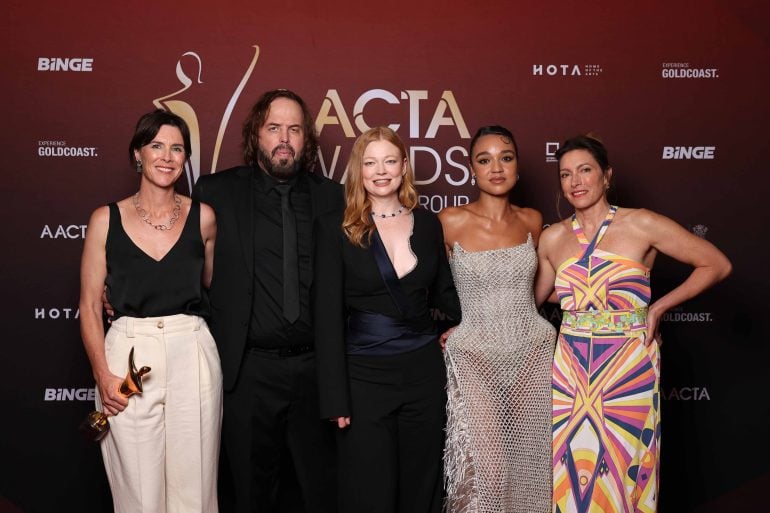
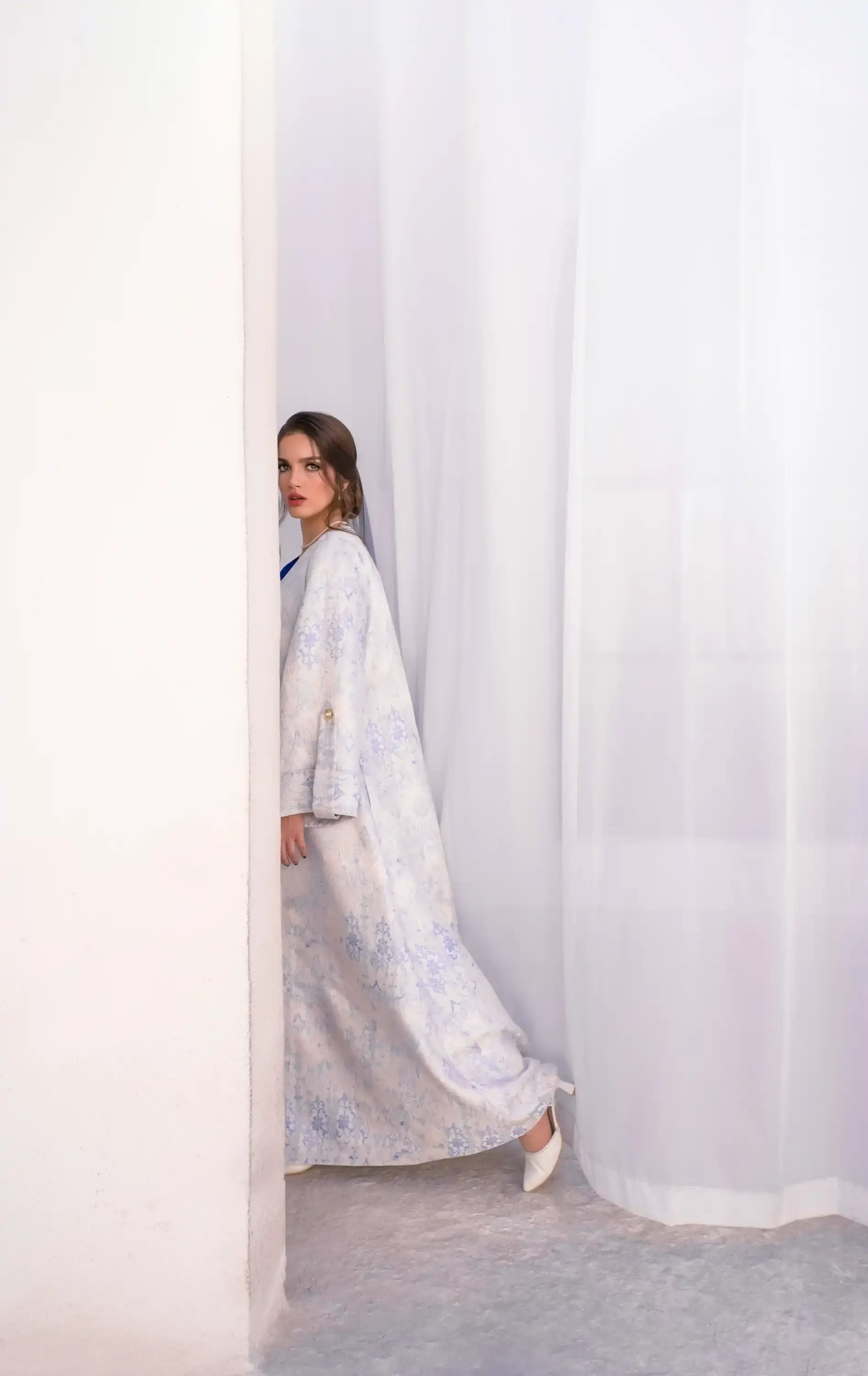
And because Australia’s lifestyle culture is so visual, the clothes do double duty. They work in real life, and they also show up well in content. Team photos, reels, event recaps, quick behind-the-scenes clips. A good hoodie becomes a repeat character.
For brands looking for custom apparel Melbourne, choosing a supplier who understands both design and production logistics can make or break a launch.
Looking Like a Team Without Looking Corporate
For a long time, uniforms had a reputation. They were practical, sure, but rarely stylish. Now the bar is higher. People expect the basics to look good.
That shift is why custom apparel has become so common in spaces that care about vibe. Cafés, gyms, creative studios, bars, and small lifestyle brands. When the fit is right and the fabric feels solid, matching tees and hoodies stop looking like “workwear” and start looking like part of the brand’s world.
And it’s not always about being identical. Often it’s just a shared thread, a cap with the same stitching, a small chest mark, a color palette that makes the whole crew look put together in photos without trying too hard.
Small Runs Make Sense for Real Life
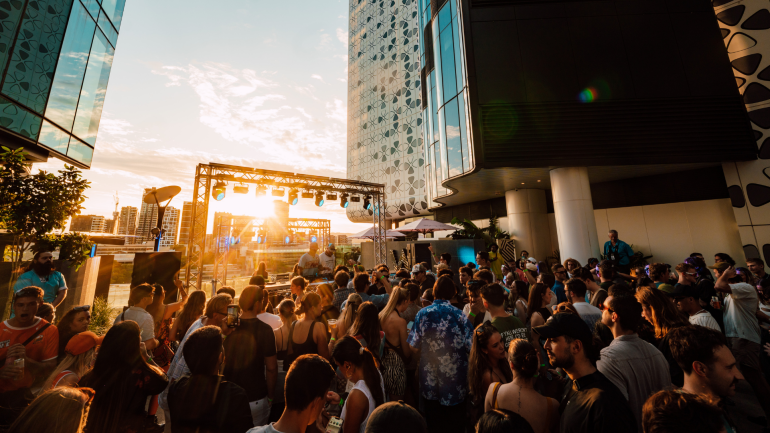
Everything feels more moment-based now. Pop-ups. Collabs. Local events. Charity days. Launch nights. Even casual community stuff where someone decides to make a tee because it’s easier than trying to build a full campaign.
Small-run custom pieces fit that perfectly. A tee becomes a wearable receipt that you were there. A hoodie turns into something you keep wearing because it’s comfortable, and because it’s tied to a good memory. That’s why the best merch rarely feels like merch. It feels like a keepsake that happens to fit into your rotation.
And small runs have their own charm. They feel specific. You don’t see them everywhere, so they stay connected to the scene that made them.
What Makes Good Custom Apparel in Melbourne Stand Out
This is the part people often only learn after a rough first batch. The difference between “fine” and “I wear this all the time” usually comes down to production choices, not the logo.
Fabric weight matters. Lightweight tees can feel great in heat, but if they’re too thin they can twist, shrink, or look tired quickly. Midweight to heavyweight cotton tends to hold its shape better, drape cleaner, and look more premium in photos.
Embroidery needs the right stitch density. Too sparse and it looks cheap. Too dense and it can pucker the fabric, especially on lighter garments. A good finish sits flat, feels smooth to the touch, and still has enough texture to catch light in close-up shots.
Print method selection changes the whole vibe. Some graphics need that classic screen printed look, crisp edges, and a finish that wears in over time. Other designs need finer detail or a softer hand feel. Choosing the method based on the garment, the artwork, and how the piece will be worn makes a bigger difference than most people expect.
Turnaround timelines should match real launch pressure. If you’re printing for an event, a staff rollout, or a drop tied to content, you need production timelines that are realistic and clearly communicated. The smoother the planning, the less panic when the date gets close.
None of this needs to sound technical when you’re wearing it, but you can feel it when it’s done right.
The Details People Actually Notice
What’s changed is the finish. People care about texture now, not just logos.
Embroidery is a big part of that, especially on caps, crewnecks, and jackets. It’s subtle, but it adds depth. Even a small stitched mark can make something feel considered. It also holds up, which matters when the whole point is to keep wearing the piece.
Print has evolved too. The most wearable custom tees are often the simplest. Clean placement, breathing room, graphics that sit well on the shirt and age nicely over time. That wear-in effect is a big part of why screen printing still has such a place in lifestyle culture. It doesn’t always look best straight out of the box. It looks better after a few washes, when it starts to feel like yours.
Where Melbourne Fits Into All of This
Even when the vibe is coastal, a lot of creative influence and production often points back to bigger hubs. Melbourne comes up constantly in conversations around independent labels, design, and small-batch production, because there’s a real ecosystem there.
So when people say custom clothing Melbourne, it often doesn’t sound like marketing. It sounds like shorthand. Like, of course that’s where a run of tees got made for a launch night, or where a studio crew got their gear sorted, or where a café team dialed in a uniform that actually looks good on shift.
Why It Works So Well for Lifestyle Brands
On the Gold Coast and in other lifestyle-first places, branding isn’t only what you post. It’s how you show up in the real world.
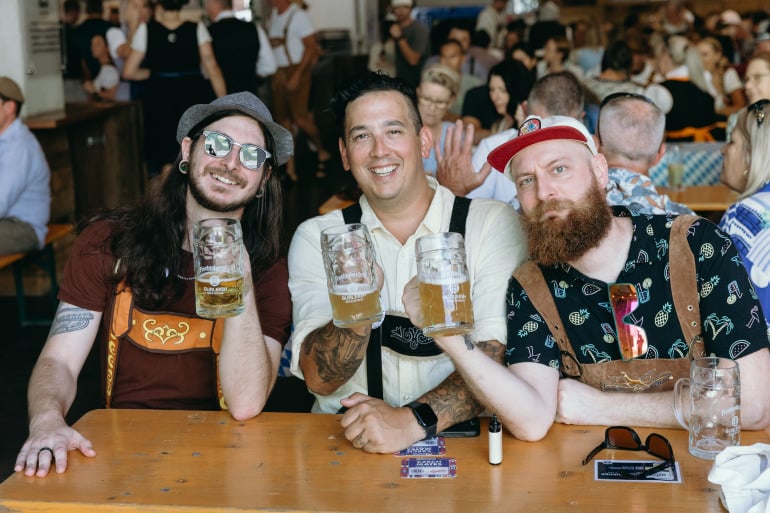
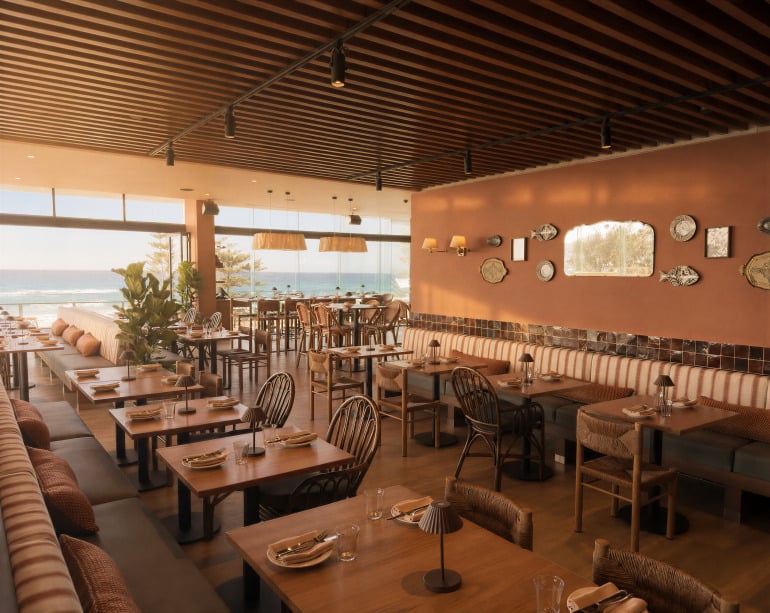
It’s the café team on a busy morning. It’s the gym crew after a class. It’s the studio team filming behind the scenes. It’s volunteers at a community event. These are the moments that end up in photos and short videos, and clothing becomes part of the backdrop.
Custom pieces work because they live in those moments. They show up in everyday life, and then they keep showing up because people keep wearing them. If the garment is genuinely good, it stops being “branded gear” and becomes someone’s regular favorite.
That’s the shift. Clothes that feel like culture, not marketing. Pieces that carry a local moment, but still hold up as something you’d wear on a random Tuesday.