Storm season has a way of reminding everyone on the Gold Coast that nature runs the show. One week the beach is packed and the surf is clean. The next week, a swollen river is creeping over the road and the power’s out in half the suburb. It happens.
What matters most isn’t the disruption itself. It’s what happens next.
I’ve seen it play out before. After a heavy storm a few years back, neighbours who barely nodded to each other suddenly started working side by side. One bloke rolled out a generator for three houses. Another organised a street barbecue so the food in everyone’s fridges wouldn’t go to waste. It wasn’t organised or polished. It was messy and human. And it worked.
That’s the strange thing about natural disruptions. They expose the weak spots in infrastructure, sure. But they also reveal the strength of community.
Why Collaboration Beats Isolation
Recovery moves faster when people work together. Sounds obvious, right? Yet in the early hours after a major storm or flood, confusion is everywhere. Roads closed. Phones flat. People wondering who to call.
This is where collaboration kicks in.
Local councils, volunteer groups, surf lifesaving clubs, neighbourhood associations. Each one has a role. On the Gold Coast, those networks are surprisingly strong. The region thrives on events, tourism, and outdoor living, which means people are used to cooperating. When things go sideways, that mindset carries across.
During one cleanup effort in a coastal suburb, I watched a group of tradies knock on doors offering help. No formal plan. Just tools in the back of the ute and a willingness to pitch in. Someone cleared fallen trees while another checked damaged roofs. A local café started giving away coffee. Small gestures. Big impact.
And when official programs like disaster relief Gold Coast begin coordinating with these grassroots efforts, the results are powerful. Government resources arrive. Community knowledge fills the gaps.
It’s not perfect. But it’s effective.
Local Knowledge Saves Time
One thing outsiders often underestimate is how valuable local knowledge can be during recovery.
Maps show flood zones. Locals know which streets flood first. A council report might mention drainage systems. Long-time residents remember which culverts clog every summer.
That insight speeds things up.
A volunteer once told me the quickest way to reopen a flooded road wasn’t the obvious route. The real problem sat three blocks away where debris blocked a drain under a bridge. Clear that, the water dropped within hours.
You can’t learn that from a spreadsheet.
Community collaboration turns scattered bits of knowledge into action. People share information. They compare what they’re seeing. Suddenly a messy situation starts making sense.
And momentum builds.
Housing Solutions That Adapt Quickly
Housing recovery can take the longest. Insurance assessments, permits, rebuilding. It drags on.
Families need somewhere to live in the meantime.
That’s why flexible housing solutions are becoming more common after major weather events. Temporary accommodation used to mean crowded motels or caravans parked in driveways. These days, new options are appearing.
Prefab modular homes, for instance, can be installed far quicker than traditional builds. They arrive largely constructed and can be set up while permanent repairs continue. Not glamorous. But practical.
I visited a temporary housing setup after a flood response last year. Rows of neat, compact dwellings sat on a cleared block. Kids were riding bikes between them. Someone had strung fairy lights along a fence. It didn’t feel like a disaster site. More like a pop up neighbourhood.
That shift matters. Stability helps people recover emotionally as well as physically.
The Social Glue That Holds It Together
Community recovery isn’t only about infrastructure. It’s about morale.
People need reassurance that life will return to normal. Or something close to it.
After a big cleanup day in one coastal suburb, locals organised an impromptu gathering at the park. Nothing fancy. Folding tables, sausages, music from someone’s Bluetooth speaker. The mood was lighter than expected.
One woman joked that storms were the only time her neighbours finally talked to each other. She wasn’t wrong.
Moments like that rebuild confidence. They remind everyone the community still functions.
And that sense of belonging can be as important as clearing debris.
Preparing the Ground Before the Next Storm
Here’s the truth. Recovery starts long before the storm hits.
Communities that already collaborate bounce back quicker. They’ve built relationships, shared resources, and learned who to call when things break.
Local sports clubs. Volunteer rescue groups. Environmental organisations restoring dunes and wetlands. All of these contribute to resilience without making a fuss about it.
Sometimes preparation looks boring. Meetings, drills, planning documents.
Then the storm arrives and suddenly all that groundwork pays off.
Because when the wind drops and the rain stops, recovery doesn’t depend on one organisation or one hero.
It depends on people.
Neighbours. Volunteers. Local businesses. Councils.
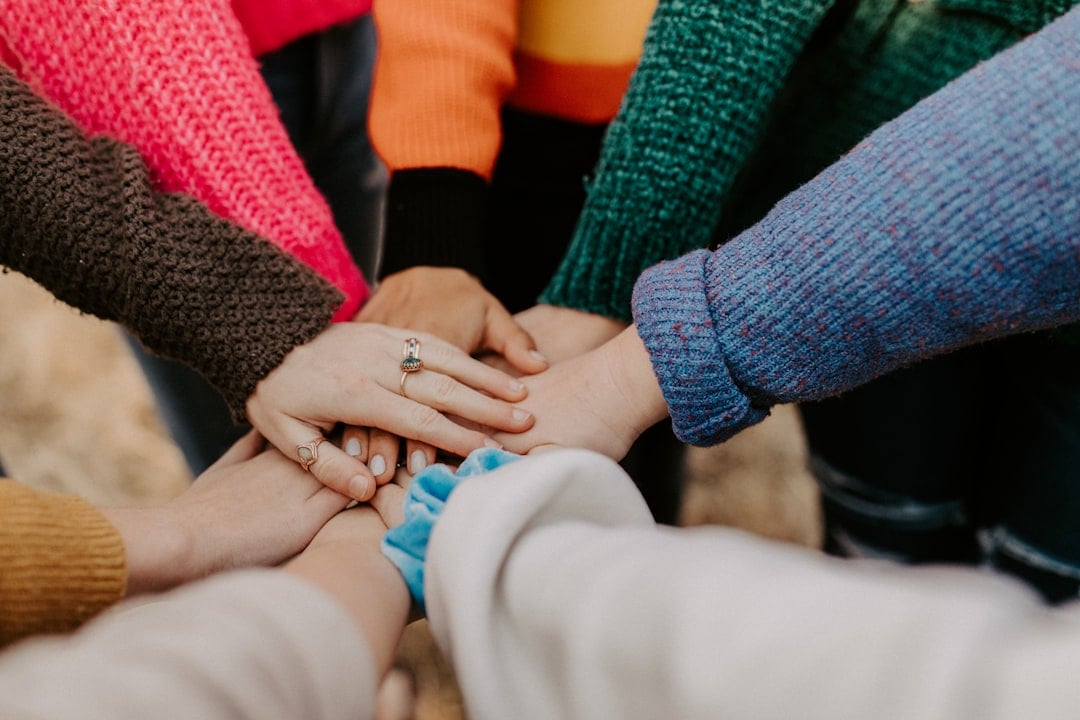
Working together.