The global pandemic saw people make the shift away from dense urban living, craving more open spaces, peace, quiet and a connection to the land. In Australia, more homeowners are looking beyond the city, toward rural blocks where they can design beautiful properties that nestle perfectly into the landscape.
Here, we’ve identified how city dwellers in the Gold Coast, Brisbane or anywhere else, really, dreaming of a rural escape or acreage homeowners looking for an upgrade can design a property that feels like home. From working with the land to installing Colorbond fencing to mimicking the outdoors in interior design, here’s what to consider at every stage of the design process.
Start With the Land, Not the House
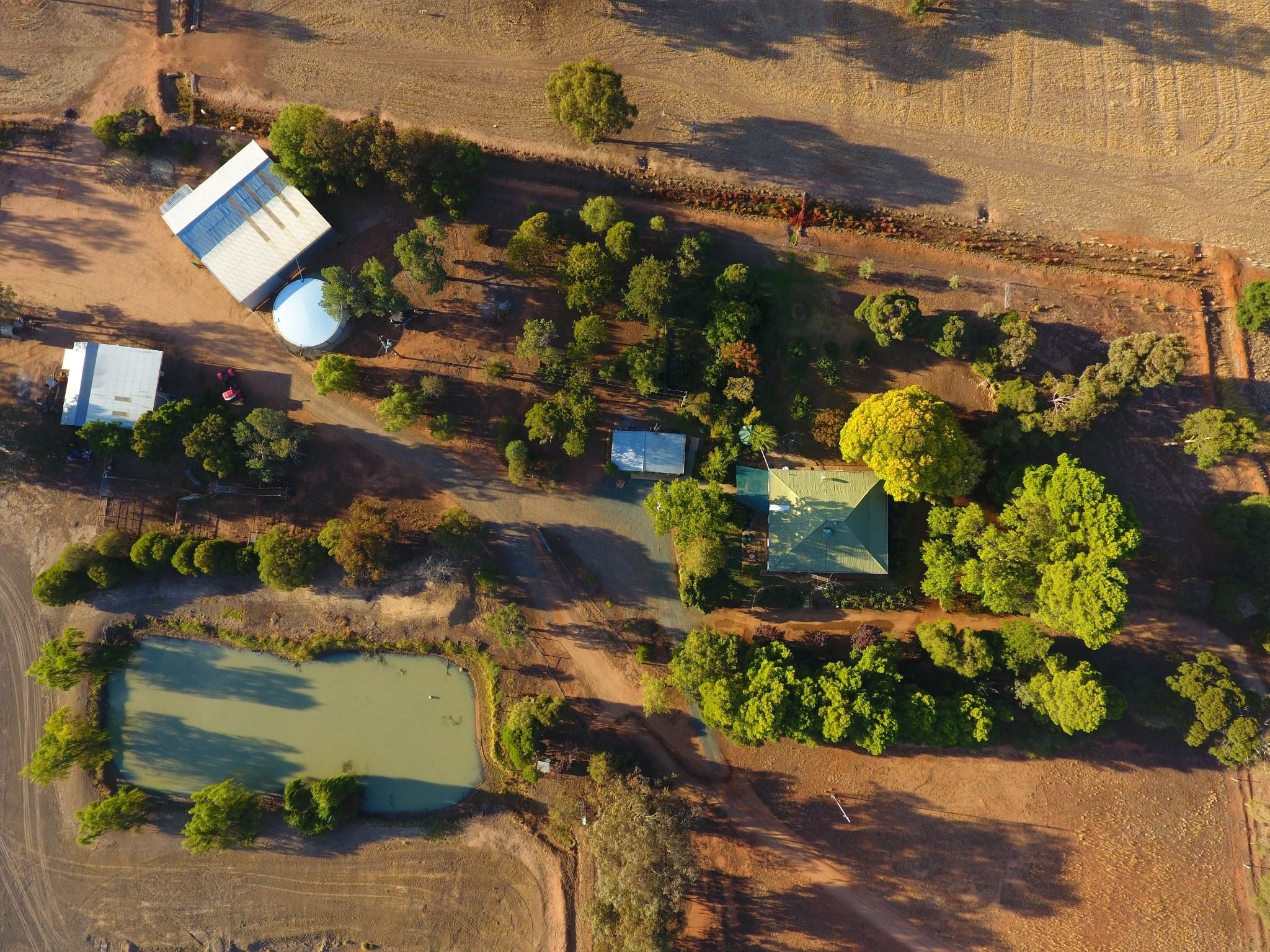
The most common mistake homeowners make after purchasing a rural property is treating the house as the main design object and the land as an afterthought. In reality, this should be reversed. Everything about the land, from its native vegetation, natural water features, topography and natural light, should inform design decisions.
Spend time getting to know your property at different times of day and in various weather conditions before making any major design choices. Where light falls in the morning versus the afternoon, the direction of prevailing winds, the drainage of water and the areas where trees and rock formations already exist – all of these need to be considered when drawing up your design. Remember, working with the landscape will be significantly more aesthetically pleasing and cheaper than fighting against it.
Designing the Exterior of Your Homestead
Colour Palette
Rural design in Australia usually draws on a distinct colour palette that celebrates the landscape. Think muted earth tones, dusty greens, warm greys and deep charcoal. Colours like bright white or starkly contrasting shades look out of place in rural areas and should be avoided.
Colorbond Fencing
An often-overlooked element of design, fencing is one of the most visually dominant features on rural blocks. Boundaries cover more ground on a property than any other design element, which is exactly why fencing should be as attractive as it is functional, especially in rural areas. Colorbond fencing in an earthy tone can integrate beautifully into the landscape and requires minimal maintenance and is specifically designed for some of the harshest Australian conditions, so you can trust it’ll do its job for years to come.
Verandahs and Outdoor Living
No rural home design is complete without a verandah or another outdoor area that extends the home’s space outdoors. You can complete your outdoor living areas with comfortable, multifunctional outdoor furniture, functional outdoor lighting and clearly defined zones for relaxing, dining and entertaining, play and work.
Landscaping that Belongs
Choosing native plants is the cardinal rule of rural landscaping. Plants suited to your area are most likely to flourish there, allowing you to create a beautiful garden. In addition, native species are hardy. They require less water and maintenance and provide habitat for local wildlife and pollinators. Consider adding Grevillea for year-round, bird-attracting flowers, Lomandra for tough, architectural grassy foliage, Native Violet for a beautiful, spreading groundcover or Coastal Rosemary for the perfect native hedge.
Outbuildings, Sheds, and Working Structures
Outbuildings are often unavoidable on a rural property. But that doesn’t mean they have to be eyesores! You can design sheds, barns, studios and other working structures to become features of the property, creating a relationship between these buildings and the main house. Design outbuildings in complementary materials and colours while ensuring they still serve their assigned functions.
Bringing the Outside Inside
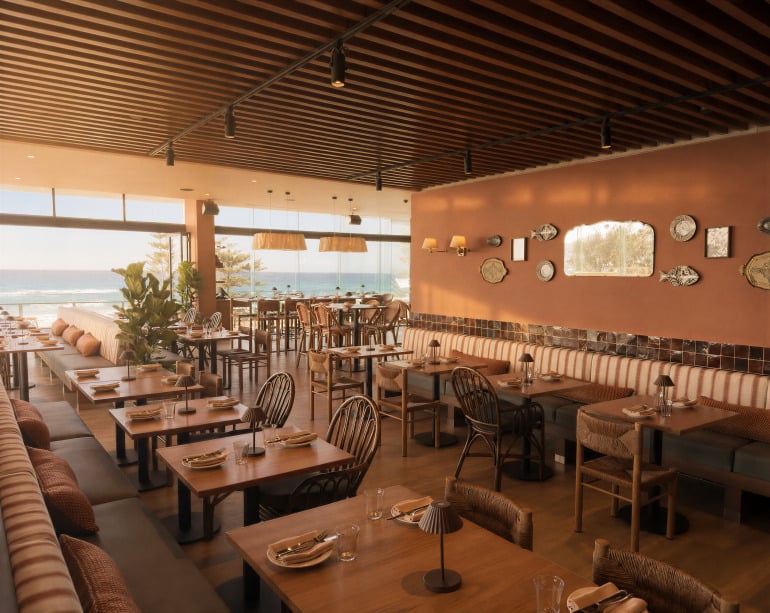
Rural interior design in Australia often features natural elements like raw timber, vaulted ceilings, exposed rafters, polished concrete floors and generous windows that let homeowners gaze out at the landscape. The idea is to take textures, materials and colours from outdoors and allow them to flow naturally through the interior.
Taking the outdoors indoors also includes practical design elements. For example, rural properties that enjoy breezes should prioritise cross-ventilation to maximise airflow in warmer seasons. Working farms can benefit from having an assigned mudroom where dirty clothes and gear can go immediately after a long day.
Sustainable Features for Long-Term Rural Living
One of the biggest advantages of rural properties is the opportunity to incorporate sustainable design features that reduce ongoing costs and increase self-sufficiency. Rainwater tanks, solar power systems, battery storage and energy-efficient building materials can all make a significant difference in remote or semi-rural locations where utilities may be less accessible.
Positioning the home to maximise natural light during winter while providing shade in summer can also reduce reliance on heating and cooling systems. These practical design choices not only improve comfort but also help homeowners create a property that is more resilient and environmentally responsible.
Creating Spaces for Lifestyle and Recreation
Many people move to rural areas seeking a different lifestyle, so it’s important to design spaces that support the way you want to live. Consider how areas of the property can be used for hobbies, recreation or family activities.
Firepit areas, vegetable gardens, orchards, chicken coops, walking trails and outdoor entertaining zones can all add character and functionality to a rural property. By planning these lifestyle features from the beginning, homeowners can create a property that feels purposeful and enjoyable year-round, rather than simply a house placed on a larger block of land.
Key Takeaways
The rural revival is here to stay, and the best rural properties are those where every decision, from fencing to sheds to flooring, suits the landscape. If you’re looking to design a rural property, remember to start by considering how light, water, wind and topography affect your property before beginning the design process. When designing your homestead’s exterior, choose a colour palette that blends into the surrounding landscape, Colorbond fencing that is as attractive as it is functional, and an outdoor living space that has zones for relaxing, dining and entertaining, play, and work.
Make sure you opt for plants that are native to your area to create a garden that requires minimal upkeep for maximum payoff and ensure outbuildings and working structures complement the other elements of your design to avoid them becoming an eyesore. Finally, complete your design by bringing elements of the outdoors into the home to truly celebrate the beauty of your property.