
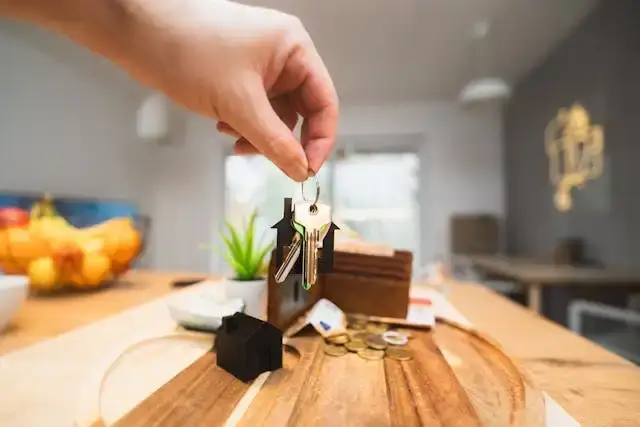
When you’re in search of a home, it’s natural to want to speed things up. But, if you don’t find what you want right away (and you almost never do), things can get hectic and out of control pretty fast. If your home isn’t on the horizon, it’s time to make smarter decisions that will lead you straight to it.
Learn How the Area Feels on Ordinary Days
At some point, you will visit a neighbourhood to check out potential homes. But some people, when they’re in this situation, tend to decide on the spot whether the neighbourhood is an acceptable choice or not. That single visit often happens on a quiet weekend when traffic stays light. Neighbours also stay indoors mostly during that time.
A smarter approach involves visiting the same street at different times. When you go there in the morning, you will get to witness school traffic and parking pressure. Evening shows noise levels and lighting. A weekday will tell you all about how busy nearby roads become. This is the information you should be looking for when you’re looking for a new home, so don’t say yes to a neighbourhood just because it looks visually appealing.
Read the Street, Not Just the House
As a buyer, you will spend a lot of time focusing on paint, kitchens, and the colour of bathroom tiles. Of course, these details matter, but they shouldn’t be your only area of interest. But the streets tell a deeper story about your investment.
You should walk around and look at how people treat their homes. You will notice that well-kept fences and gardens suggest pride of place, and consequently, that well-kept homes create affluent neighbourhoods. That could be something to consider if you ever decide to sell. Overflowing bins and broken windows suggest neglect. And if you think the condition will change once you get there, spoiler alert: it won’t.
Learn From Local Professionals Who See Patterns
People who work in an area notice trends before buyers do. Trades, inspectors, and agents see repeat issues. Local property managers in Hobart, for example, understand which streets face tenant turnover, maintenance problems, or drainage issues. These insights help you avoid locations with long-term problems.
Speaking to professionals adds context that listings do not show. Their experience fills gaps left by short inspections. You don’t have to cling to every detail, but getting a fresh perspective could save you from facing issues down the road.
Check Natural Light at Different Hours
Photos and inspections are helpful, but they can mislead when the light is wrong. You should care about lighting a lot because sunlight affects mood, warmth, and power use. And of course, agents will always invite you to open houses when the lighting works best in their favour. But a bright room at midday may feel dim in the afternoon, and that’s why you need to check natural light at different hours.
Visit the property when the sun sits low and high. Stand in the main rooms and notice shadows and how they work for or against the space you’re after. Good light makes small rooms work harder and reduces heating and lighting costs without effort.
Check How the Home Handles Weather
Weather tests homes more than daily use. Rain shows drainage issues. Heat shows insulation limits. Wind shows noise and drafts. Now, you won’t be able to test a house in every type of weather, but you can still look for clues.
For starters, you could ask how the house performs in winter and summer. That’s not enough information to make a decision, so look for signs of damp, mould, or peeling paint outside. More importantly, check the gutters and ground levels. Poor drainage can cause ongoing damage.
Trust Discomfort When Something Feels Wrong
Logic matters, but instinct should not be ignored, especially when you’re searching for a future home. Discomfort often signals an issue that facts have not yet explained. It may relate to noise, light, layout, or location. Ignoring that feeling often leads to regret.
Comfort during inspections often points to a better match. A home should support daily life without friction. When it does not, the reason usually surfaces later.
Conclusion
Smarter decisions come from thinking about your routine and how the house supports it, not status. Size and style matter less than function. A home that fits routine tends to feel right long after the move ends. Searching for a home works best when attention stays on lived experience. Calm observation beats rushed choice. And over time, these habits lead to decisions that feel steady and informed.