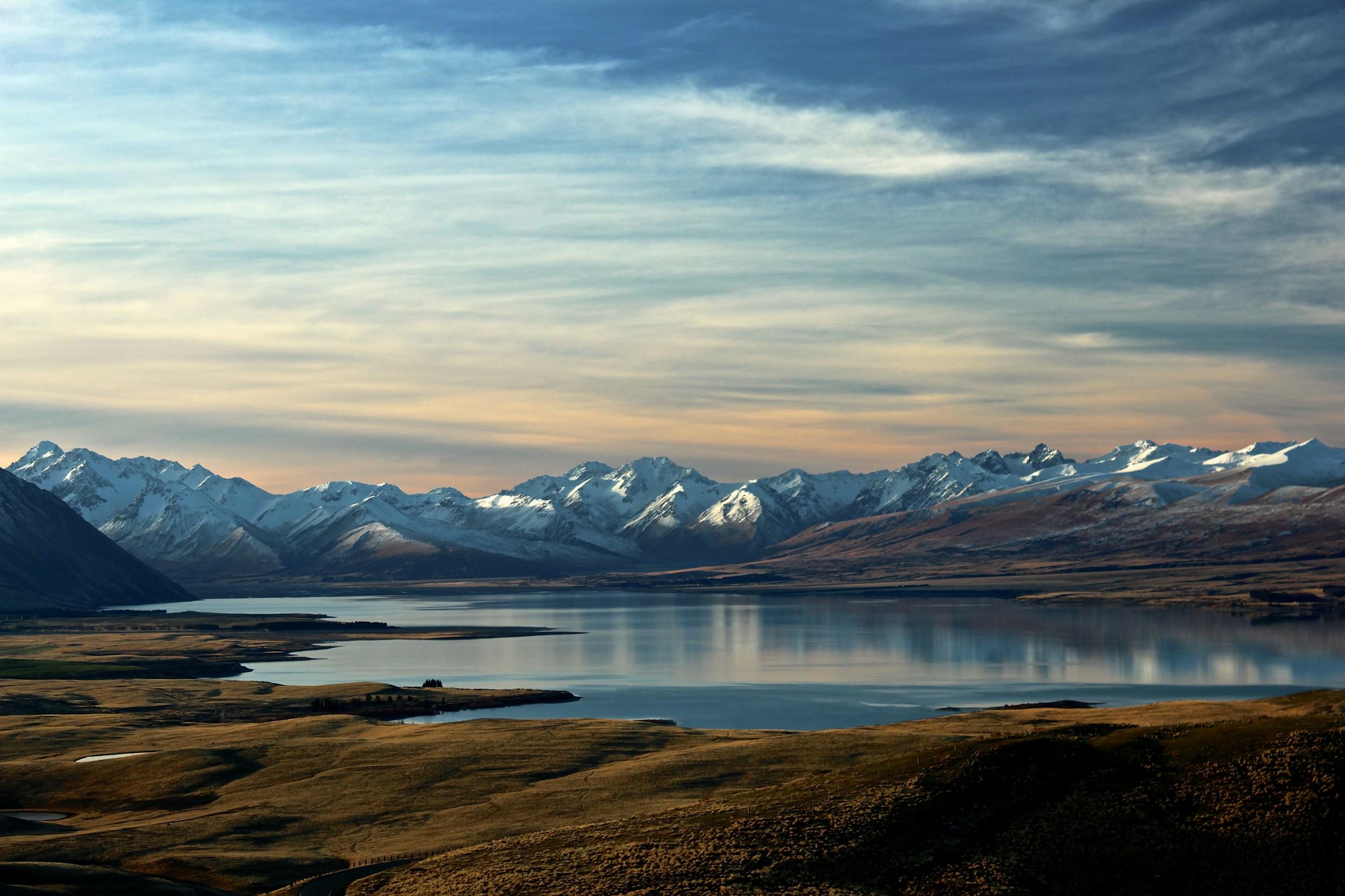
New Zealand is often sold to the world as a haven: clean cities, tight communities, rugby pride, and cinematic landscapes. But beneath the tourist gloss, city life in Aotearoa is far from balanced. Auckland’s skyline climbs higher every year, but so do housing prices. Wellington markets itself as a cultural capital, yet working artists are pushed further from the center with each renovation project. When local identity becomes a product, someone’s always left paying the price.
This tension extends to how the nation navigates its leisure economy. The growth of digital entertainment, from streaming to online slots NZ platforms, is part of a broader shift: cities offering less public joy while private escapism booms. Sports remain important, yes – but who plays, who watches, and who profits, has shifted drastically.
Stadiums Or Housing?
In major urban centers, the push to build grand arenas mirrors international trends. Local governments woo global events with promises of “economic uplift,” erecting new stadiums that stand as symbols of modernity. But what gets erased to make space for those projects? Often, it’s low-income housing or small community fields.
Auckland’s proposed waterfront stadium, for instance, drew headlines – but also anger. The billions in projected costs could have solved homelessness across multiple regions. The problem isn’t sports. It’s who owns the narrative around sport, and who controls the profits once the fans go home.
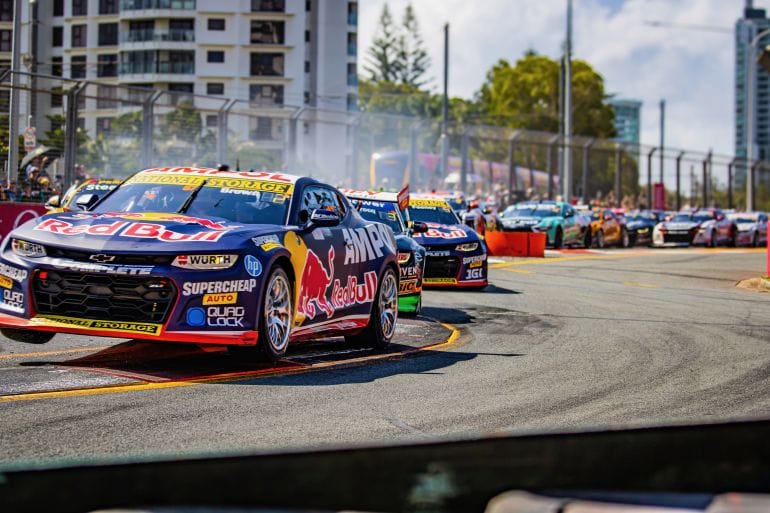
When Sport Turns Spectacle
Rugby remains a core part of the national identity. Yet its current model leans hard into commercialism. Television rights dominate decisions. Local clubs, once fueled by volunteers and neighborhood pride, now play second fiddle to international tours and elite training academies. Players are commodities; matches are products.
And the working class – once the backbone of New Zealand’s athletic tradition – is pushed to the margins. Fees for youth leagues rise. Community funding shrinks. Meanwhile, alcohol sponsorships continue to tie sport to corporate branding, despite long-term harm.
Maori Voices And Urban Marginalization
No serious conversation about New Zealand cities can ignore colonization. Urban expansion continues to displace Māori communities through zoning laws, property speculation, and infrastructure projects that pretend to be “neutral.” Sporting culture isn’t exempt. Traditional Māori games and narratives rarely receive the same state support as imported Western competitions.
At the grassroots level, Māori collectives work to revive ancestral practices and assert indigenous agency in urban spaces. But institutional barriers remain high. Tokenism is common. Land acknowledgments substitute for actual land return. The symbolic becomes a substitute for the structural.
Fitness Culture And Class Division
In places like Christchurch or Hamilton, gyms bloom while parks shrink. Wellness trends dominate social media feeds, but often in a form removed from collective health. Fitness becomes individualized, commodified, aspirational. Not everyone can afford the latest gear or memberships. Outdoor facilities decline while boutique wellness centers multiply – offering “community” for $60 a session.
What was once a walkable field becomes a fenced venue. What was free becomes gated. This privatization of movement mirrors the broader economic turn: less public investment, more personal responsibility.
Tourism, Exploitation, And The Sport Economy
Tourist-driven sports – surfing, mountain biking, skiing—fuel New Zealand’s reputation abroad. But locals rarely benefit. Jobs in these sectors are often seasonal, precarious, and low-paid. Infrastructure supports the tourist, not the resident. Trails are maintained for image, not access.
This dynamic shapes entire towns. Queenstown, for example, feels more like a business built on leisure than a community rooted in equity. Locals are priced out. Hospitality workers commute long hours. Incomes stagnate while property owners rake in seasonal profits.
Radical Joy And Collective Spaces
Still, resistance exists. Across the country, mutual aid groups reclaim space – organizing free yoga in public parks, transforming abandoned lots into community courts, launching cycling co-ops where gear is shared, not sold. This is where radical politics meets play. The goal isn’t just inclusion—it’s transformation. A redefinition of wellness, sport, and city life through solidarity.
Because cities can’t be measured only by GDP or stadium attendance. They must be judged by how much joy they offer the most vulnerable. That means free recreation, safe sidewalks, public transport, and cultural infrastructure not owned by developers.
Final Thoughts: A Different Kind Of Victory
New Zealand has the tools to reshape its urban and sporting life. But it requires abandoning market logic in areas where community must prevail. We need more than policies that “consult” communities – we need co-governance. We need investment in people, not branding campaigns. And above all, we need to reject the idea that leisure must be profitable to be valuable.
Sport doesn’t belong to the state or to corporations. It belongs to the people. Cities, too, must follow that principle – or risk becoming playgrounds for the few, built on the silence of the many.