
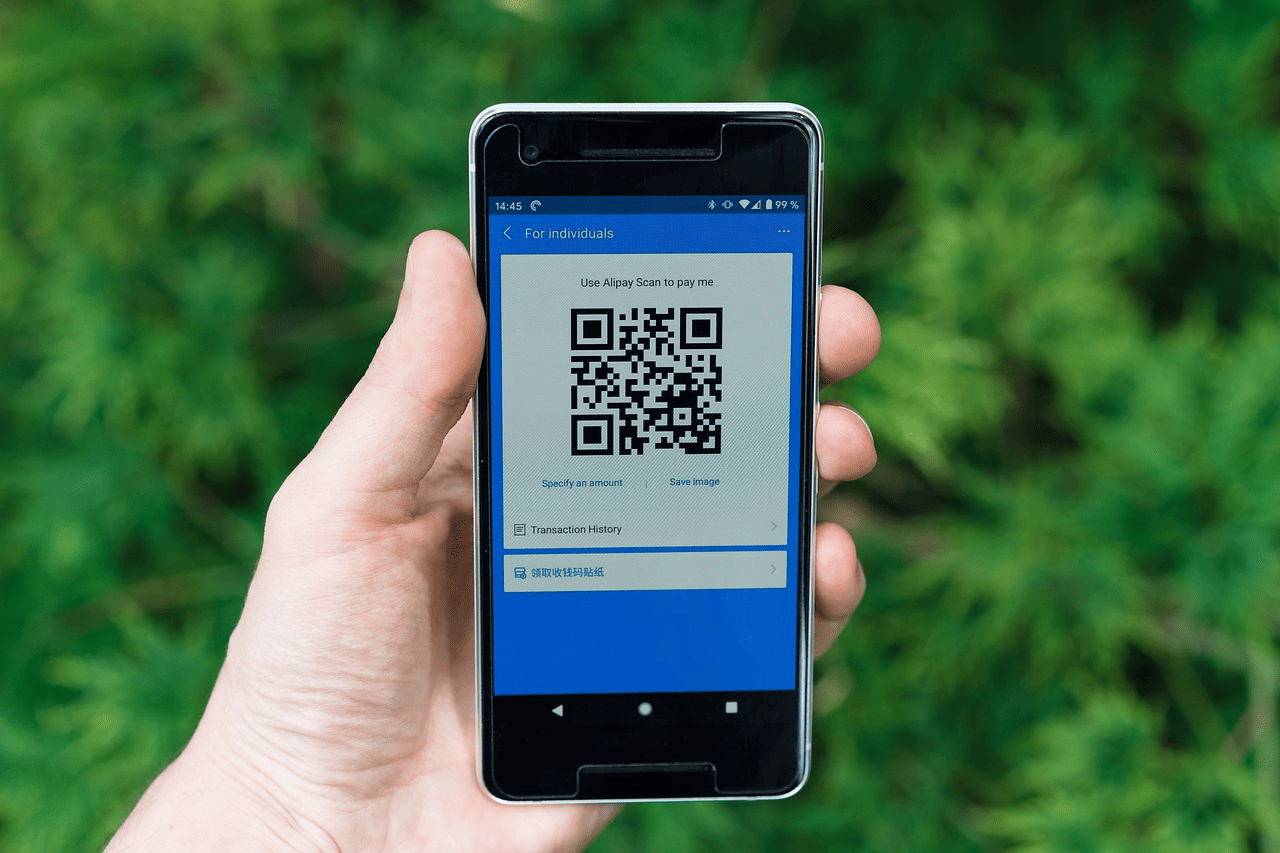
For some time now, financials and tech experts have been discussing a completely cashless future. According to estimates from 2018, the era where physical money is fully obsolete was 2 generations away. However, he advent of COVID-19 propelled digitalization efforts forward, so a cashless society seems a bit closer now.
Fintech companies are already playing an integral role in this transformative endeavor. In fact, cashless banking in Australia was largely made possible through apps like PayID. In a nutshell, the app connects to your bank account and allows you to make instant payments using your funds. The only caveat is that the recipient bank also needs to be a part of PayID’s network. This transaction method was extremely popular among online gamblers who play on Pay ID pokies sites. Not only did it streamline the deposit process, but it also helped with account verification. This is but one example of how the future will look a few decades from now, so let’s see what else it has in store.
Lowering Financial Crime Rates
Cashless society Australia will have a big impact on criminal activity. Physical money is more difficult to track and easier to launder, which allows organized crime to thrive.
Historically, casinos were used in this laundering process, as one could purchase chips with cash, gamble a bit, and then convert those chips back into real money. This way, they get casino wins as a new origin of funds. This is one reason why even online casinos are obligated to conduct detailed KYC verification. Even Australian online pokies fast withdrawal sites must verify your account in order to payout your winnings quickly. They need to make sure that the funds you used were earned legally and that the payout will end up in your legitimate bank account.
When your money is fully digital, it’s easier to track, and it’s easier to flag if someone in the transfer chain becomes suspicious. It’s not impossible to launder it, but it’s significantly more difficult when its route is on full display.
Fewer Banks and No ATMs
When banking goes full digital, there will no longer be a need for ATMs. In the same vein, the number of bank offices or branches will probably go down by 90%. Now this doesn’t mean that ATM spots will be empty; in all likelihood, they will be replaced with different machines called Interactive Teller Machines (ITM). In essence, these are supposed to be AI-powered support agents or bank clerks that can help users manage their accounts, send money, do online payments, etc.
Bills, Taxes, and Other Payments Will Be Easier To Handle
Because all of your income or profits can be fully tracked, your income tax can be automatically calculated. This means you bundle together all of your monthly or annual expenses and set the app to pay those bills automatically. Additionally, the funds on your account that go towards those expenses can be reserved. This way, you will have a way better overview of how much you have left on a monthly basis, and adjust your spending accordingly.
Clearly, something like this won’t be mandatory, but having an option to handle your monthly payments in such a way is very beneficial. Your dues are less likely to pile up, and you’ll have better control over bankroll management.
Problems and Challenges
Cashless payment tech is already here, and Australia is in the process of phasing out physical money. However, going fully digital will come with its fair share of challenges or problems. First off, there is an issue of technological illiteracy as some people aren’t comfortable with, or no how to use, payment apps. This isn’t that big of a problem, given how it’s not difficult to learn it.
The bigger problem is rural and underbanked areas. For this to work, you need constant access to the internet and one or more bank accounts. Not everyone has these things, and simply excluding them from the economy wouldn’t be ethical.
It should also be noted that this type of system would be extremely reliant on software that keeps track of money flows. As we all know, software is prone to glitches and cyber attacks, and not being able to send or receive money while the system is down would be incredibly detrimental. Additionally, this would mean your funds are all over the place. Your phone, your PC, and your smart devices that store payment info all become major liabilities. Losing one or having the device stolen means you are prone to major financial losses.
Lastly, many are simply not okay with this change. People value their privacy and are simply not comfortable with some of the expenses being out in the open like that. So, there’s a lot of friction from the general public to fully adopt this model.