
Most homeowners know the importance of keeping their plumbing, roofing, and heating systems in good condition, but electrical systems are often overlooked until something goes wrong. That is where an electrical safety inspection comes in. These inspections are carried out by qualified electricians and provide a detailed check of your home’s wiring, outlets, switches, and safety devices. For anyone considering buying, selling, or simply maintaining their home, understanding what actually happens during an inspection is essential.
Let’s take a closer look at what electricians do during these assessments and why calling local electricians for regular inspections can protect both your property and your family.
The Purpose of an Electrical Safety Inspection
The main goal of an inspection is simple: to make sure your electrical system is safe, compliant with current regulations, and able to handle the demands of modern living. Many homes, especially older ones, were built before today’s appliances and technologies became common. A system that once powered a few lights and a television may now be supporting air conditioning units, high-powered kitchen appliances, home offices, and entertainment systems.
Overloaded or outdated wiring is not always obvious, but it can create fire hazards and electrical shocks. That is why electricians recommend having your home checked every few years, and immediately after buying a property. Local electricians often see the same recurring issues in their communities, so they know exactly what to look out for.
Step 1: Initial Walkthrough and Questions
When electricians arrive for a safety inspection, they usually start with a walkthrough of your property. They may ask about any electrical issues you have noticed, such as flickering lights, tripped breakers, or unusual buzzing noises. They will also want to know when the home was built and whether any electrical upgrades or renovations have been done.
This step helps the electrician tailor the inspection to your specific home. For example, if your property has an older switchboard, they will pay extra attention to whether it meets modern safety standards. Local electricians often recognise the common wiring practices in your area, which gives them an advantage when assessing your home.
Step 2: Checking the Switchboard
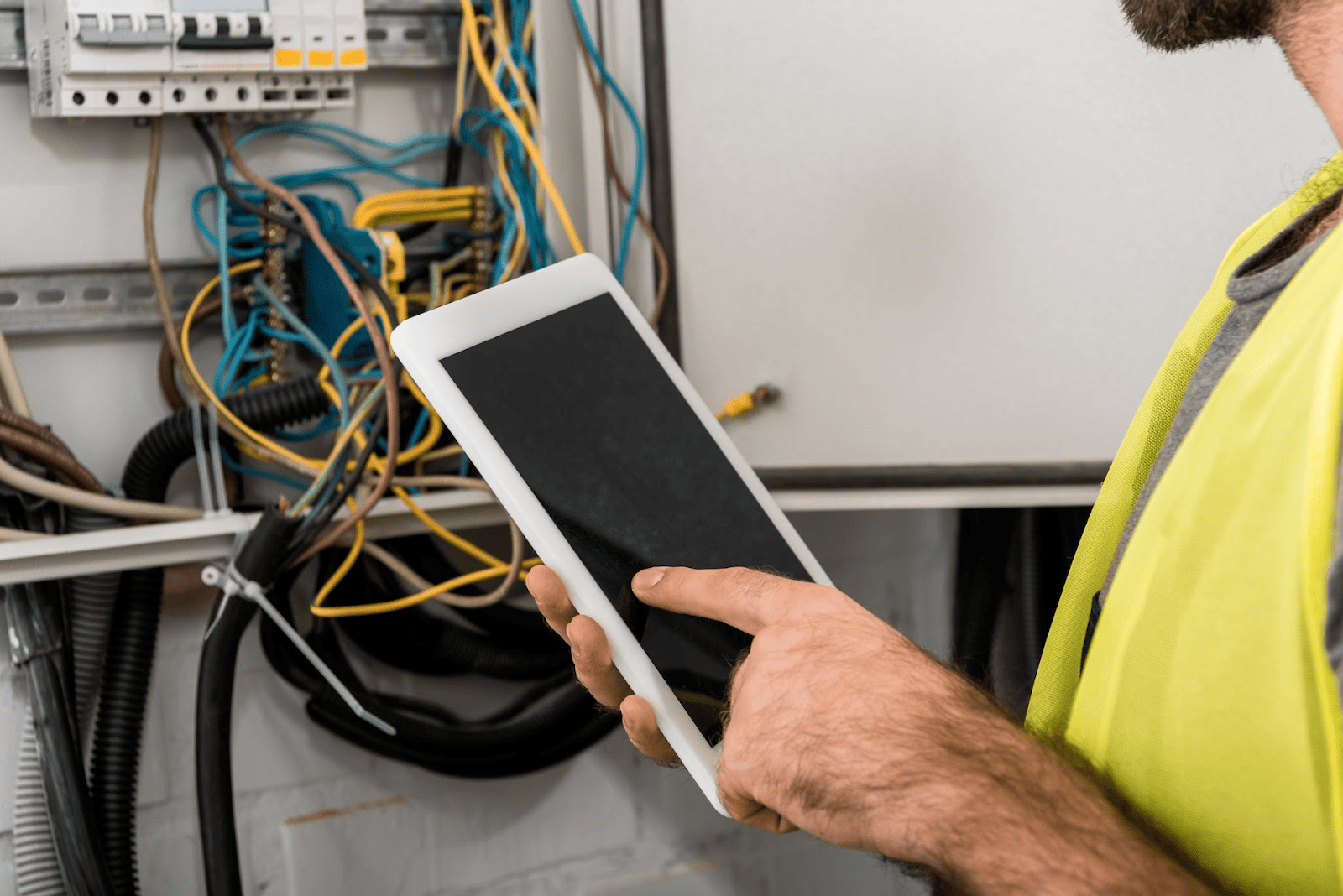
The switchboard is the heart of your home’s electrical system. During the inspection, electricians open it up and check for safety switches, circuit breakers, and fuses. They look for signs of wear, overheating, or outdated components that no longer meet current safety codes.
Modern homes should have safety switches (also called RCDs) on all circuits. These devices cut off power instantly if they detect an imbalance, preventing electric shocks. If your switchboard lacks them, or if they are faulty, the electrician will recommend upgrades. This step alone can make a huge difference to your household safety.
Step 3: Inspecting Outlets and Switches
Everyday outlets and switches can tell electricians a lot about the condition of your wiring. During the inspection, they check for loose fittings, scorch marks, or cracks that may indicate overheating. They also test whether outlets are properly grounded.
Special attention is given to areas where water and electricity are close together, such as kitchens, bathrooms, and outdoor spaces. Outlets in these areas should be fitted with safety devices to reduce the risk of electric shock. If not, local electricians will flag them as a priority for replacement.
Step 4: Assessing Wiring and Cables
Behind the walls and ceilings of your home are kilometres of wiring. While electricians cannot see every cable, they can spot signs of damage, age, or poor workmanship. They may inspect accessible wiring in the roof space, basement, or behind panels.
Older homes may still have outdated wiring types that are no longer considered safe. In some cases, electricians find DIY electrical work that does not meet safety standards. Both situations can create hazards and need to be addressed quickly. By identifying these issues during an inspection, you avoid the risk of fires or costly emergency repairs later.
Step 5: Testing Safety Devices
Apart from safety switches, electricians also test smoke alarms and other safety devices connected to your electrical system. Smoke alarms are a legal requirement in every home, but many are poorly maintained or installed incorrectly. A safety inspection ensures they are working and positioned correctly.
If you have surge protectors, backup generators, or solar power systems, the electrician may also check their connections. These additional systems must integrate safely with your main electrical supply to prevent overloads.
Step 6: Reviewing Appliances and Energy Use
An inspection does not usually involve opening up your appliances, but electricians will look at how they connect to the system. They may check that high-demand appliances like ovens, air conditioners, and hot water systems have dedicated circuits. They will also assess your overall energy use to see whether your current wiring and switchboard can handle the load.
This step often highlights areas where an upgrade could save you money. For example, replacing old lighting with energy-efficient LED fixtures reduces your power bills and puts less strain on your wiring.
Step 7: The Final Report and Recommendations
After completing the inspection, electricians provide a detailed report outlining their findings. This includes any immediate hazards that need urgent attention as well as suggestions for improvements. Common recommendations include installing safety switches, upgrading old switchboards, replacing worn outlets, or rewiring unsafe circuits.
Local electricians often add practical advice based on their knowledge of homes in your area. They can explain which issues are urgent, which are optional upgrades, and how each step will improve your safety and efficiency.
Why Regular Inspections Matter
Electrical safety inspections are not just a box-ticking exercise. They can prevent fires, reduce the risk of shocks, and save you from expensive emergency repairs. Many insurance policies also require proof that your electrical system is safe and compliant, especially when selling or renting out a property.
By scheduling inspections with qualified local electricians, you gain peace of mind knowing your home is secure. It also means you will catch small problems before they turn into major hazards.
Final Thoughts
A home electrical safety inspection is a thorough process designed to keep your family safe and your property in good condition. From checking the switchboard and outlets to testing safety devices and reviewing energy use, electricians cover every part of your system.
If it has been years since your last inspection, or if you are buying or renovating a home, now is the time to book one. Trust experienced local electricians to give you an honest assessment and practical solutions. It is one of the simplest and smartest steps you can take to protect your home.