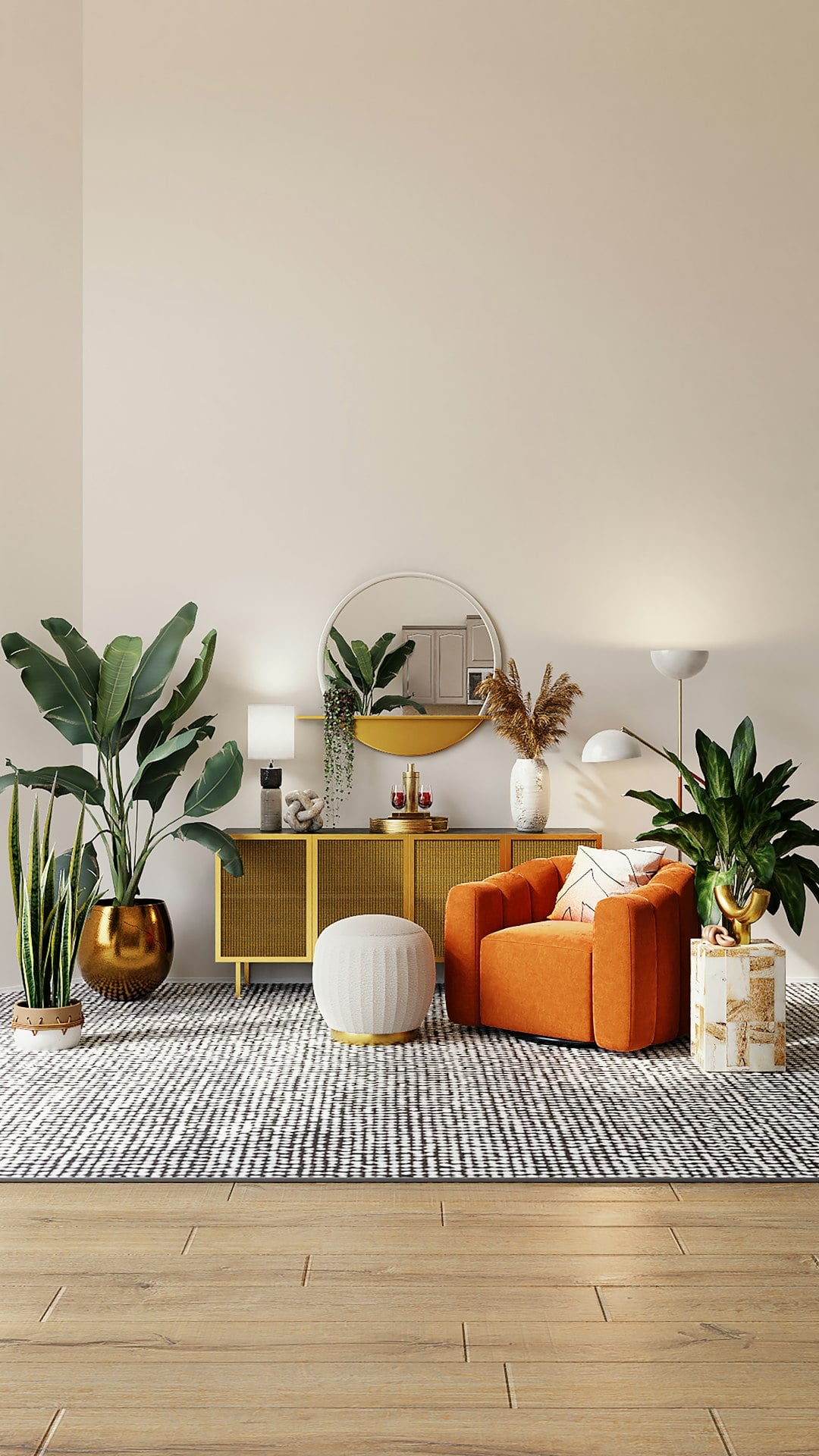
A good-looking home used to be enough.
Fresh paint. Nice benchtops. A bit of landscaping out the front. Done.
Not anymore.
Today’s homes need to do more. They need to handle work-from-home days, growing families, visiting grandparents, pets that act like they pay rent, rising power bills, and weekend entertaining that starts as “just a few people” and somehow turns into half the street popping over.
On the Gold Coast, this shift feels especially clear. Homes aren’t just places to sleep after a beach day or a long commute. They’re lifestyle hubs. Morning coffee on the deck. School laptops on the dining table. Surfboards in the garage. A spare room that might be an office today and a nursery tomorrow.
That’s why design and long-term value now sit at the same table. They have to.
Beauty Still Matters, But Function Wins
There’s nothing wrong with wanting a beautiful home. In fact, it matters. A home should feel good when walking through the door.
But beauty without function gets old fast.
The kitchen that photographs well but has nowhere to put the air fryer? Annoying. The open-plan living room with terrible afternoon heat? Expensive. The dreamy bathroom with no storage? Cute for about three days.
Great design now means thinking past the first impression. It asks better questions. Where does the morning light land? Can the laundry cope with a busy household? Is there a quiet corner for work calls? Will the outdoor area still be usable in summer storms?
A home that answers those questions well usually holds stronger appeal later. Buyers notice. Renters notice too. So do owners who simply want to stay put without constantly renovating around daily frustrations.
Lifestyle-Led Design Has Real Market Pull
Gold Coast living has its own rhythm. It’s outdoor-heavy, casual, social, and pretty hard on materials. Salt air, humidity, sun, sand, kids, dogs, guests, repeat.
So a home that suits the local lifestyle often carries better long-term value. Not just emotionally. Financially as well.
Covered alfresco spaces, cross-flow ventilation, practical flooring, low-maintenance gardens, secure storage, and flexible rooms all make sense here. They’re not flashy extras. They’re everyday wins.
This is where experienced custom house builders can make a real difference, especially when designing for coastal Queensland conditions where airflow, shade, privacy, and durable finishes matter just as much as the floor plan.
Small choices add up. A wider hallway. Better window placement. A mudroom near the garage. Extra power points where people actually use devices. Not glamorous, sure. But anyone who has ever fought over one kitchen outlet knows these things matter.
Flexibility Is the New Luxury
Luxury used to mean bigger. Bigger bedrooms. Bigger kitchens. Bigger everything.
Now, flexibility carries more weight.
A smaller home that adapts well can feel more valuable than a large home that boxes people in. A second living area can become a teen retreat, guest space, media room, or quiet office. A downstairs bedroom can suit older relatives or future accessibility needs. A garage with proper storage can save the household from becoming a museum of bikes, tools, and Christmas decorations.
Real life changes. Fast.
Families grow. Kids leave. Work patterns shift. People start side businesses. Parents move closer. A home that can bend with those changes gives owners more options, and options are worth something.
Actually, they’re worth a lot.
The best homes don’t need a full redesign every time life throws a curveball. They already have a bit of give in them.
Energy Efficiency Is No Longer a Bonus
There was a time when energy-efficient design sounded like a nice extra for people who read appliance stickers for fun.
Now? It’s practical.
Good insulation, smart orientation, ceiling fans, solar planning, shaded windows, efficient lighting, and natural ventilation all affect how a home feels and what it costs to run. On the Gold Coast, where summer can turn a poorly planned room into a slow cooker, these choices aren’t minor.
Buyers are paying attention too. A home that stays cooler, uses less energy, and feels comfortable without blasting the air con all day has a clear edge.
It’s not about chasing every new gadget. Sometimes the smartest design is simple. Put the windows in the right place. Keep the hot sun off the glass. Let breezes move through. Choose materials that won’t need constant repairs.
Boring? Maybe.
Useful? Absolutely.
Value Is Built Into the Details
Long-term value doesn’t always come from the obvious things.
Yes, location matters. Land size matters. Street appeal matters. But inside the home, value often hides in the details people don’t notice at first glance.
Storage. Natural light. Durable cabinetry. A logical floor plan. Good acoustic separation between bedrooms and living areas. Easy movement from kitchen to outdoor dining. Enough parking. Enough privacy.
These details make daily life smoother. They also reduce the need for expensive fixes later.
That’s where design becomes more than style. It becomes risk management, comfort planning, and future-proofing all rolled together. Not very glamorous phrasing, but true.
Property Decisions Are Becoming More Design-Savvy
Buyers and owners have become sharper. They’re not just asking, “Is this house pretty?” They’re asking, “Will this still work in ten years?”
That question changes everything.
It encourages people to look at layout, maintenance, local demand, renovation potential, rental appeal, energy use, and the way a home fits the area around it. In that sense, smart property investing now has much more to do with design quality than many people realise.
A poorly designed home in a good suburb can still underperform. A well-designed home in a growth pocket can quietly become a standout.
The gap often sits in liveability.
People want homes that feel easy. Easy to maintain. Easy to furnish. Easy to cool. Easy to share. Easy to grow into.
Simple idea. Big impact.
The Best Homes Think Beyond Today
Trends come and go. Curved walls, statement tiles, brushed brass, oversized pendants. Some will age well. Some won’t. That’s the game.
But the homes that keep their appeal usually have stronger bones beneath the styling. Good proportions. Sensible flow. Quality materials. Adaptable spaces. A clear connection to how people actually live.
On the Gold Coast, that means design should respect the climate, the outdoor lifestyle, and the relaxed pace people move here for in the first place. Nobody wants a home that looks impressive but feels like hard work.
A home should make life easier.
That’s the point.
When design supports comfort, flexibility, efficiency, and future demand, long-term value follows naturally. Not always overnight. Not always loudly. But steadily, in the way a well-planned home keeps making sense year after year.